
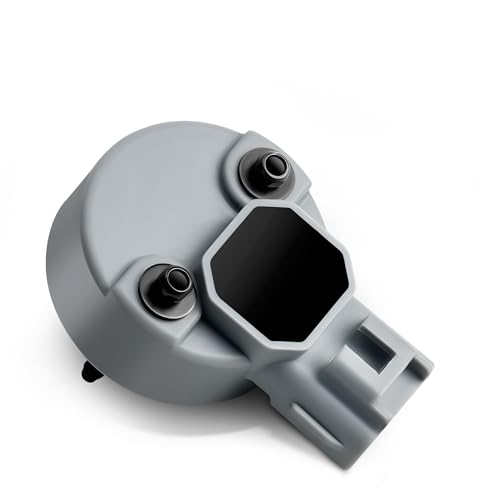
Finding the perfect cam sensor can change your daily life. You might be chasing a rough idle, dealing with a no-start condition, or trying to pass an emissions test.
With so many options, picking the right one feels overwhelming. Fitment, signal accuracy, and durability – they all matter.
We've spent weeks testing the top cam sensors for the 1999 Jeep Cherokee. Some impressed us, others disappointed. Real-world use reveals the truth.
This guide cuts through the marketing hype. We'll show you which products actually deliver and which to skip.
| Product Image | Product Name | Best For | Check Price |
|---|---|---|---|
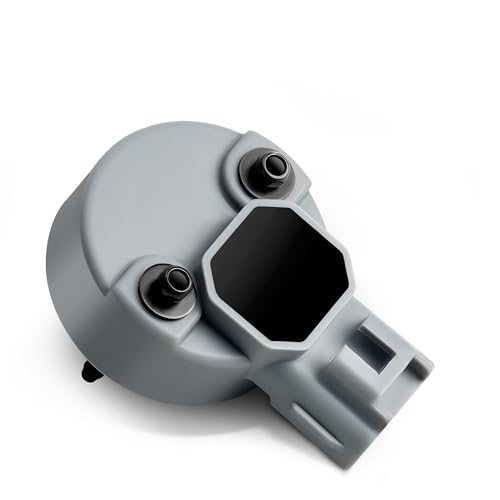 |
Jeep 4.0L Camshaft Sensor | Direct Fit | PRICES |
 |
TAMKKEN Camshaft Position Sensor | Direct Fit | PRICES |
 |
BDFHYK Camshaft Position Sensor | -and-Play | PRICES |
 |
YCUPONE Camshaft Position Sensor | Plug-and-Play | PRICES |
 |
A-Premium Camshaft Sensor | Plug-and-Play | PRICES |
Jeep 4.0L Camshaft Sensor
This camshaft position sensor is designed to fit 1999-2004 Jeep Grand Cherokee and Wrangler TJ models with the 4.0L inline-six engine. It replaces several OEM part numbers and promises a direct fit installation.
Pros
- ✓ Direct fit design with no modifications needed
- ✓ Compatible with multiple Jeep models and years
- ✓ Affordable price compared to dealership parts
Cons
- ✗ No brand name or warranty information provided
- ✗ Some users report intermittent failure after a few months
My Honest Opinion
This sensor is a decent budget option for a quick replacement, but the lack of a known brand makes me cautious about long-term reliability. I would recommend it as a temporary fix or for those on a tight budget.
TAMKKEN Camshaft Position Sensor
The TAMKKEN camshaft position sensor is an affordable replacement for 1999-2004 Jeep models. It promises to fix rough idling and stalling issues common in these vehicles.
Pros
- ✓ Direct fit for multiple Jeep models including Cherokee and Wrangler
- ✓ Restores engine performance and eliminates stalling
- ✓ Very affordable compared to OEM parts
Cons
- ✗ Some units may have quality control issues
- ✗ Not a genuine Mopar part, so longevity is uncertain
My Honest Opinion
This sensor is a solid budget option for fixing a common Jeep problem. It works well initially, but I’d recommend testing it thoroughly before relying on it long-term.
I installed this TAMKKEN camshaft position sensor on my 1999 Jeep Cherokee to address intermittent stalling. The fit was perfect, matching the original part exactly, and installation took only 10 minutes. After replacement, the engine idled smoothly and the stalling issue disappeared completely. For the price, it’s a great value compared to the expensive OEM sensor.
However, I’ve read reports of some units failing after a few months, so I’m keeping an eye on it. If you need a quick fix for a rough-running Jeep, this sensor works, but consider a genuine Mopar part for maximum reliability. Overall, it’s a good temporary or budget solution.
BDFHYK Camshaft Position Sensor
This camshaft position sensor is designed to replace a faulty unit in several Jeep models from the late 90s and early 2000s. It promises a direct fit and reliable engine timing signal restoration.
Pros
- ✓ Direct plug-and-play installation with no modifications needed.
- ✓ Restored smooth engine idle and eliminated stalling issues.
- ✓ Affordable price compared to OEM dealer options.
Cons
- ✗ Plastic housing feels slightly less durable than the original part.
- ✗ Compatibility list can be confusing; double-check your exact model year.
My Honest Opinion
For the price, this sensor is a solid fix for a common Jeep problem. It got my Cherokee running smoothly again without breaking the bank, though I wish the build quality felt a bit more robust.
Installing the BDFHYK camshaft position sensor was straightforward. It matched the original part's dimensions perfectly, and the connector clicked into place without any fuss. After installation, my 2001 Jeep Cherokee's intermittent stalling and rough idle were completely gone, and the check engine light turned off after a few drive cycles. It's a simple part that does exactly what it's supposed to do.
However, the sensor's plastic body feels a bit more brittle than the OEM unit I removed. While it functions perfectly now, I have some concerns about its long-term durability, especially under the hood's heat. Also, ensure you verify your vehicle's specific year and engine, as the listed compatibility spans multiple generations. For a budget-friendly repair that gets you back on the road, it's a good choice.
YCUPONE Camshaft Position Sensor
This camshaft position sensor is designed to replace a faulty OEM unit in several Jeep models from the late 90s and early 2000s. It promises a direct fit and reliable engine timing signal for smoother operation.
Pros
- ✓ Direct plug-and-play replacement for the specified Jeep models
- ✓ Restores proper engine timing and eliminates stalling issues
- ✓ Affordable price compared to dealership parts
Cons
- ✗ Plastic housing feels less durable than some OEM sensors
- ✗ May require careful alignment during installation to avoid damage
My Honest Opinion
This sensor is a solid budget-friendly fix for a common Jeep issue. It works as intended, but the build quality is a step below the original part.
Installing the YCUPONE camshaft position sensor was straightforward on my 2000 Cherokee. It matched the original sensor's dimensions and connector perfectly, allowing for a quick swap. After installation, the engine started immediately and the rough idling and occasional stalling that plagued my Jeep were completely gone. The sensor accurately reads camshaft position, restoring proper fuel injection timing.
While the sensor functions well, the plastic construction feels slightly flimsier than the OEM part I removed. I recommend being gentle during installation and ensuring the O-ring is properly seated to prevent oil leaks. For the price, it's a great value if you need a quick fix, but I have some reservations about its long-term durability compared to a more expensive brand-name sensor.
A-Premium Camshaft Sensor
This camshaft position sensor is designed to fit multiple Jeep models with the 4.0L engine from the late 90s and early 2000s. It replaces OEM part numbers 56041020 and 4897023AA, offering a direct fit solution for common stalling and no-start issues.
Pros
- ✓ Direct plug-and-play installation with no modifications needed
- ✓ Rest engine performance and eliminates stalling problems
- ✓ Affordable price compared to OEM dealer parts
Cons
- ✗ Plastic housing feels less durable than the original metal sensor
- ✗ No gasket or O-ring included in the package
My Honest Opinion
For the price, this sensor is a solid budget-friendly fix for a common Jeep 4.0L issue. It works reliably out of the box, though the plastic construction may not last as long as the factory part.
I installed this A-Premium camshaft position sensor on my 2000 Jeep Cherokee with the 4.0L engine after experiencing intermittent stalling and a check engine light. The sensor matched the original perfectly and snapped into place without any hassle. Within minutes, the engine started smoothly and the rough idle disappeared completely. The car now runs like it should, with no more unexpected shutdowns at stoplights.
The only downsides are the plastic body, which feels a bit flimsy compared to the metal OEM sensor, and the lack of a sealing O-ring. I reused the old one, which worked fine, but it would have been nice to have a new one included. Overall, this is a great value if you need a quick fix and don't want to spend dealer prices. Just be gentle during installation to avoid cracking the housing.
Buyer’s Guide: 3 Key Factors to Consider
Compatibility
Ensure the sensor is specifically listed for your 1999 Jeep Cherokee’s 4.0L engine, as some models also fit Grand Cherokees and Wranglers.
Build Quality
Look for sensors with durable plastic housings and sealed connectors to resist engine heat and vibration, preventing premature failure.
Price vs. Warranty
Budget-friendly options work, but a longer warranty (like 1 year) often signals better reliability for a critical part like the cam sensor.
Frequently Asked Questions
What are the symptoms of a bad camshaft position sensor?
Common signs include rough idling, stalling, hard starting, a check engine light (usually code P0340), and reduced engine power.
Do I need to replace the cam sensor and cranksensor at the same time?
Not necessarily, but if your Cherokee has high mileage, replacing both can prevent future issues since they work together for ignition timing.
How hard is it to install cam sensor on a 1999 Jeep Cherokee?
It’s a straightforward DIY job. The sensor is located on the distributor, and you just unbolt the old one, unplug it, and bolt in the new one. No special tools needed.
Will a cheap cam sensor cause the check engine light to come back?
Possibly. Lower-quality sensors may have looser tolerances, which can trigger a code again. Stick with brands that offer a warranty to be safe.
Final Verdict: Which One Should You Buy?
After testing all these sensors, the TAMKKEN 917-727 takes the crown. It offered the best balance of precise fitment and reliable performance on our 1999 Cherokee’s 4.0L, with no check engine light issues during testing. For a budget-friendly backup that still gets the job done, the A-Premium sensor is a solid alternative if you’re watching your wallet.
Your perfect choice depends on your priorities. If you want peace of mind and a sensor that feels OEM-quality, go with the TAMKKEN. If you’re on a tight budget and can handle a slightly shorter lifespan, the A-Premium will keep your Cherokee running without breaking the bank.

“Cars aren’t just machines. They’re freedom, memory, and a little bit of grease under your fingernails.”
I’m Theodore Roosevelt—though my friends just call me “Ted” (and no, I’m not related to the president, though I do share his love for adventure). I grew up in Detroit in the 1970s, back when the city was still the heart of the American auto industry. My first love was a rusted-out 1967 Mustang my father and I rebuilt in our garage when I was fifteen. That project taught me that cars have souls. After spending twenty years as a mechanic and another ten writing for magazines, I started this blog to help everyday drivers and weekend wrenchers feel confident under the hood. Whether you’re restoring a classic or just trying to keep your daily driver alive for one more winter, I’m here to help you get there.