Driving a 1998 Jeep Cherokee in 2026 means you are behind the wheel of a true off-road icon, but even legends need a little help seeing through the fog. The factory lighting on these classic XJ models is notoriously dim, especially in poor weather or on dark trails, making a fog light upgrade one of the most practical and safety-focused modifications you can perform. Whether you are restoring your Cherokee to showroom condition or building a rugged overlander, installing proper fog lights transforms your nighttime driving experience and significantly increases your visibility in adverse conditions.
This comprehensive guide will walk you through every step of installing fog lights on your 1998 Jeep Cherokee, from choosing the right lights and wiring harness to mounting them securely for a perfect factory-like fit. You learn the specific tools required, how to tap into the correct electrical circuits without damaging your vehicle, and how to avoid common mistakes that plague DIY installers. By the end of this article, you will have the confidence and knowledge to complete this project in a single afternoon, saving yourself hundreds of dollars in labor costs while achieving professional-grade results.
Choosing the Right Fog Lights for Your 1998 Cherokee
The first and most critical decision you will make is selecting the fog lights themselves. For a 1998 Jeep Cherokee, you have three primary options: factory-style replacement lights that fit into the stock bumper cutouts, aftermarket universal lights that require custom mounting, or LED conversion kits designed specifically for the XJ platform. Factory-style lights, such as those from Mopar or quality aftermarket brands like KC HiLiTES, offer the cleanest look and easiest installation because they are designed to bolt directly into the existing holes in your front bumper. These typically use H3 or H1 halogen bulbs and produce a wide, flat beam pattern ideal for fog and rain.
If you are seeking maximum brightness and longevity, LED fog lights are the superior choice in 202. LED units consume significantly less power, produce a crisp white light that cuts through fog more effectively than yellow halogen bulbs, and can last over 50,000 hours. Look for LED pods or rectangular lights that match the approximate dimensions of the factory openings, which are roughly 4 inches wide by 2 inches tall. Brands like Rigid Industries, Diode Dynamics, and Auxbeam offer excellent options with durable aluminum housings and sealed lenses that prevent moisture ingress. Avoid cheap no-name lights from online marketplaces, as they often have poor beam patterns that can actually reduce visibility and may fail within months.
Finally, consider the legal requirements in your area. In most states, fog lights must be aimed correctly and should not be used as primary driving lights. Look for lights that are SAE or DOT certified, which ensures they meet federal safety standards for beam pattern and brightness. For a 1998 Cherokee, you also want lights that include a proper mounting bracket or adapter plate, as the factory bumper has a specific bolt pattern that may not align with universal lights. Measure your bumper openings carefully before purchasing, and always order a wiring harness designed for your specific light type to simplify the electrical installation.
Gathering the Essential Tools and Materials
Before you the physical installation, having the correct tools and materials on hand will prevent frustrating trips to the hardware store mid-project. For a 1998 Jeep Cherokee fog light installation, you will need a basic socket set with 10mm, 12mm, and 13mm sockets, as these are the most common sizes for bumper bolts and mounting hardware. A Phillips head screwdriver, a flathead screwdriver, and a set of wire strippers or a multi-tool are essential for handling the electrical connections. You will also need a drill with a set of metal drill bits if you are mounting lights in a location that does not have pre-drilled holes.
For the electrical side, gather a test light or multimeter to verify power and ground connections, a roll of 14-16 gauge automotive wire, heat shrink tubing, and a soldering iron or quality crimp connectors. While many people use simple twist-on wire connectors, soldering and heat shrinking your connections provides a much more reliable and weatherproof result that will last for years. You will also need a relay and a fuse holder with a 15- or 20-amp fuse, depending on the wattage of your lights. Most aftermarket fog light kits include a relay and switch, but if you are building your own system, purchase a standard 12V automotive relay and a waterproof toggle switch or a switch that fits into the factory dash blank.
Do not forget safety equipment: safety glasses, work gloves, and a jack and jack stands if you need to remove the front bumper for easier access. For the 1998 Cherokee, you can often install fog lights without removing the bumper entirely, but loosening the bumper bolts will give you more room to work behind the grille and bumper cover. Finally, pick up a tube of dielectric grease to apply to all electrical connections. This prevents corrosion and ensures a solid electrical path, which is especially important for lights mounted low on the vehicle where they are exposed to road salt, mud, and water.
Step-by-Step Mechanical Installation: Mounting the Lights
Begin by parking your Cherokee on a level surface and disconnecting the negative battery terminal. This is a critical safety step that prevents accidental short circuits while you are working with electrical wires. Next, locate the factory fog light mounting points on your front bumper. On most 1998 Cherokees, there are two rectangular cutouts in the lower portion of the front fascia, directly below the headlights. If vehicle did not come with fog lights from the factory, these cutouts will be covered by plastic trim panels that pop out with gentle pressure from a flathead screwdriver. Remove these covers carefully, as you may want to reuse them if you ever remove the lights.
Now, test fit your chosen fog lights into the openings. Factory-style lights will slide in and align with two or three bolt holes on the back of the bumper support. Insert the mounting bolts through the light bracket and into the bumper, but do not tighten them fully yet. If you are using aftermarket universal lights, you may need to drill new holes in the bumper support. Use a center punch to mark your drilling locations, then drill pilot holes with a 1/8-inch bit enlarging them to the correct size for your mounting bolts. Apply a coat of rust-inhibiting primer to any bare metal you expose during drilling. Once the lights are positioned, adjust them so they sit flush with the bumper surface and are level with each other. Tighten all mounting bolts to the manufacturer’s recommended torque, typically 10-15 foot-pounds for small bolts.
For the final mechanical step, aim the lights correctly. Park the Cherokee about 25 feet from a flat wall on a level surface. Turn on the fog lights and mark the center of each beam on the wall with tape. The top of the beam pattern should be at or slightly below the center of the light housing. Most fog lights have an adjustment screw on the back or bottom that allows you to tilt the beam up or down. Proper aiming is essential: lights aimed too high will blind oncoming drivers and are illegal in many jurisdictions, while lights aimed too low will not provide useful illumination. Take your time this step, as it directly impacts both safety and legality.
Wiring the Fog Lights: Relay, Switch, and Power Connections
Final Adjustments, Testing, and Maintenance Tips
With the lights mounted and wired, perform a comprehensive final test. Start the engine and turn on the fog lights, then walk around the front of the vehicle to ensure both lights are functioning and that the beam pattern is even. Check that the lights do not flicker, which could indicate a loose connection or an undersized wire. Drive the Cherokee in a dark area and test the lights in both clear conditions and, if possible, in actual fog or heavy rain. The beam should project a wide, flat pattern close to the ground without significant upward scatter. If you notice excessive glare, re-aim the lights slightly downward.
For long-term maintenance, periodically inspect the fog light lenses for cracks or clouding, especially if you drive on gravel roads or in areas with road salt. Clean the lenses with a mild soap and water solution, avoiding harsh chemicals that can damage plastic or polycarbonate lenses. Check the mounting bolts every few months, as vibration from off-road driving can loosen them over time. If you live in a region with heavy snow or ice, consider applying a hydrophobic coating to the lenses to prevent snow and ice buildup, which can block the light output.
One often-overlooked maintenance task is checking the wiring connections for corrosion. The low mounting position of fog lights makes them vulnerable to moisture and road chemicals. Every spring, open up your connections, clean them with electrical contact cleaner, and reapply dielectric grease. If you used crimp connectors, consider upgrading to soldered and heat-shrunk connections for maximum reliability. With proper installation and regular care, your 1998 Jeep Cherokee fog lights will provide years of dependable service, making every nighttime drive safer and more enjoyable.
Key Takeaways
- ✓ Choose fog lights that match your Cherokee’s factory bumper cutouts for the easiest installation and cleanest appearance, with LED options offering superior brightness and longevity in 2026.
- ✓ Always disconnect the negative battery terminal before starting any electrical work to prevent shorts and protect your vehicle’s sensitive electronics.
- ✓ Use a relay and fuse in your wiring setup to protect the switch and prevent electrical fires; never wire high-power lights directly to a switch.
- ✓ Properly aim your fog lights after installation to ensure legal compliance and maximum visibility without blinding other drivers.
- ✓ Apply dielectric grease to all electrical connections and inspect them annually to prevent corrosion and ensure long-term reliability.
Frequently Asked Questions
Can I install fog lights on a 1998 Jeep Cherokee that did not come with them from the factory?
Yes, absolutely. Most 1998 Cherokees have the factory cutouts in the front bumper, even if they were not equipped with lights. You will need to remove the plastic trim covers from these cutouts, either purchase factory-style lights that bolt directly in or use aftermarket lights with adapter brackets. The wiring will need to be run from scratch, but the process is straightforward and well-documented. Many owners prefer this route as it allows them to choose higher-performance lights than the stock units.
Do I need to remove the front bumper to install fog lights?
In most cases, no. You can install fog lights on a 1998 Cherokee by simply loosening the bumper bolts to create enough space to work behind grille and bumper cover. However, if you are drilling new mounting holes or have large hands, removing the bumper entirely can make the job easier. The bumper is held on by four 15mm bolts and can be removed in about 15 minutes. Just be sure to support it with a jack or have a helper hold it, as it is heavy.
What gauge wire should I use for the fog light wiring harness?
For most aftermarket fog lights drawing 55-100 watts total, 14-gauge automotive wire is sufficient for main power and ground circuits. For the switch wire that runs into the cabin, 16-gauge or 18-gauge wire adequate since it carries very little current. Always use stranded copper wire designed for automotive use, not solid household wire, as solid wire will crack and fail from vehicle vibration.
Can I wire my fog lights to come on with my headlights automatically?
Yes, but this requires a slightly different wiring approach. Instead of using a toggle switch, you can wire the relay trigger wire (terminal 86) to your parking light or low beam headlight circuit. This will make the fog lights turn on automatically whenever those lights are active. However, many owners prefer a separate switch for maximum control, especially since fog lights are not useful in clear weather and can actually reduce visibility by reflecting off fog or rain.
Why do my new LED fog lights flicker or not turn on at all?
Flickering or non-functioning LED fog lights are almost always caused by a poor ground connection or an incompatible wiring setup. LEDs require a very stable voltage and a solid ground path. First, check that your ground wire is attached to clean, bare metal and that the connection is tight. If the ground is good, the issue may be that your vehicle’s electrical system is not providing enough voltage due to a weak battery or alternator. Some LEDs also require a load resistor or a specific relay to function correctly with older vehicles. If all else fails, test the lights by connecting them directly to a 12V battery to rule out a defective product.
Conclusion
Installing fog lights on your 1998 Jeep Cherokee is a rewarding project that dramatically improves your visibility and safety in poor weather conditions. By carefully selecting the right lights, gathering the proper tools, and following a methodical installation process, you can achieve a professional-quality result in just a few hours. key steps include mounting the lights securely in the factory bumper cutouts, wiring them through a relay and fused power source, and aiming them correctly to maximize their effectiveness without blinding other drivers. With the rise of high-quality LED options in 2026, you now have access to lighting that outperforms anything available when your Cherokee was new.
Now that you have the complete guide, it is time to gather your tools and get to work. Start by inspecting your Cherokee’s front bumper to determine which lights will fit best, then order a quality kit from a reputable manufacturer. Remember to take your time with the wiring, double-check all connections, and test the system thoroughly before buttoning everything up. Your 1998 Jeep Cherokee is a classic that deserves the best, and with properly installed fog lights, you will enjoy safer, more confident driving for years to come. Share your installation photos and tips with the XJ community online, and help other owners keep these legendary vehicles on the road.
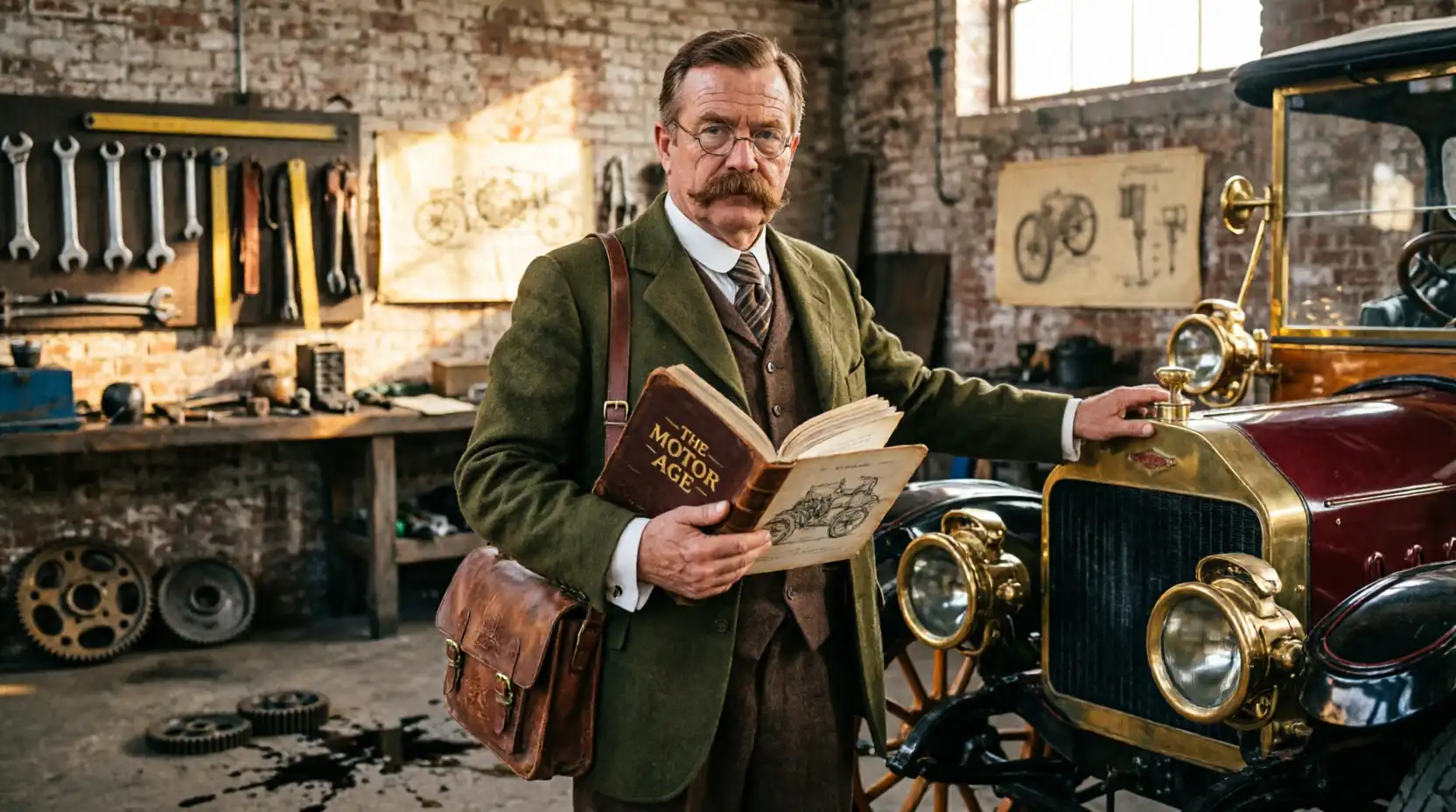
“Cars aren’t just machines. They’re freedom, memory, and a little bit of grease under your fingernails.”
I’m Theodore Roosevelt—though my friends just call me “Ted” (and no, I’m not related to the president, though I do share his love for adventure). I grew up in Detroit in the 1970s, back when the city was still the heart of the American auto industry. My first love was a rusted-out 1967 Mustang my father and I rebuilt in our garage when I was fifteen. That project taught me that cars have souls. After spending twenty years as a mechanic and another ten writing for magazines, I started this blog to help everyday drivers and weekend wrenchers feel confident under the hood. Whether you’re restoring a classic or just trying to keep your daily driver alive for one more winter, I’m here to help you get there.