The night trail is unforgiving. One wrong turn over a hidden rock or an unseen ditch can turn an exhilarating off-road adventure into a costly recovery mission. For Jeep Wrangler TJ owners, the factory headlights are often the weakest link in the vehicle’s otherwise legendary capability. Upgrading to an LED light bar is not just about looking aggressive; it is about transforming your night vision, increasing safety, and unlocking the full potential of your TJ for after-dark exploration.
This comprehensive guide will walk you every step of installing an LED light bar on your Jeep Wrangler TJ, from selecting the right size and wiring harness to mounting techniques and legal compliance. Whether you are a seasoned off-roader or a weekend warrior, you will learn how to achieve professional-grade lighting without the expensive shop labor. By the end of this article, you will have the knowledge to illuminate the darkest trails with confidence and precision.
Choosing the Right LED Light Bar for Your TJ
Selecting the correct LED light bar for a Jeep Wrangler TJ requires balancing brightness, beam pattern, and physical fitment. The TJ’s front grille and bumper offer limited real estate compared to newer models, so size is critical. A 20-inch to 30-inch single row light bar is the most popular choice for mounting above the front bumper or on the grille. Double row bars provide more lumens but are bulkier and may obstruct airflow to the radiator if mounted too high. For maximum output, consider a 40-inch curved bar mounted on a roof rack or windshield channel brackets, but be aware of wind noise and legal restrictions on height.
Beam pattern is equally important. A combination beam pattern, which mixes a focused spot beam for long-distance visibility with a wide flood beam for peripheral coverage, is the best all-around choice for trail driving. Pure spot beams are excellent for high-speed desert runs but leave dangerous blind spots on tight forest trails. Pure flood beams are great for rock crawling at low speeds but offer poor distance. Look for bars with a color temperature between 5000K and 0K, which provides a crisp, white light that reduces eye strain and closely mimics natural daylight.
Finally, prioritize build quality. The TJ is a rugged vehicle, and your light bar must withstand mud, water, and vibration. Choose a bar with an IP68 or IP69K waterproof rating, which guarantees protection against submersion and high-pressure washdowns. Aluminum housings with polycarbonate lenses are standard for durability. Brands like Rigid Industries, Baja Designs, and KC HiLiTES are proven performers, but many budget-friendly options from Nilight or Auxbeam now offer excellent value if you verify the sealing gaskets and mounting hardware are robust.
Essential Tools and Wiring Components
Before you touch a single bolt, gather the correct tools and wiring components to avoid mid-project frustration. You will need a basic socket set (metric and standard), a Phillips and flathead screwdriver, a wire stripper/crimper, electrical tape, heat shrink tubing, and a multimeter for testing connections. A drill with a step bit is essential if you are mounting the bar to a steel bumper or grille guard, as it allows for clean, burr-free holes. For mounting to the factory plastic grille, a sharp utility knife or a Dremel tool works better.
The wiring harness is the backbone of your installation. Most LED light bars come with a generic harness, but for a TJ, you should invest in a dedicated relay harness with a waterproof relay and fuse holder. This harness connects directly to the battery and uses a low-current switch to control the high-current light bar, preventing overheating and protecting your Jeep’s electrical system. Ensure the harness includes a 30-amp or 40-amp inline fuse, depending on your light bar’s wattage. A 240-watt bar, for example, draws about 20 amps, so a 30-amp fuse is.
Do not forget the switch. The TJ’s interior is simple, so you have several options. A rocker switch can be mounted in the blank dash panels to the left of the steering wheel, or you can use a factory-style push-button switch that fits into the existing accessory slots. For a cleaner look, consider a wireless remote control kit, which eliminates the need to run a switch wire through the firewall. However, wired switches are more reliable in extreme conditions. Also, pick up a roll of split wire loom and zip ties to protect and route your wiring neatly under the hood.
Step-by-Step Mounting the Light Bar
Start by deciding your mounting location. The most common and straightforward spot for a TJ is on the front bumper, using the existing bolt holes or drilling new ones. If you have an aftermarket steel bumper, it likely has pre-drilled mounting tabs. For a factory bumper, you can use universal L-brackets that clamp onto the bumper lip. Position the light bar centrally, ensuring it is level and does not block the turn signals or license plate. Tighten all bolts to the manufacturer’s torque specification, usually around 15-20 ft-lbs, and apply a drop of blue Loctite to prevent vibration loosening.
For a grille mount, you will need a dedicated TJ grille bracket kit. These brackets replace the factory grille inserts or attach to the grille slots. This location keeps the light bar low and protected, but it can partially obstruct airflow. If you choose this route, ensure the bar is at least two inches away from the grille surface to allow air to pass. For roof mounting, use a heavy-duty roof rack or a windshield channel mount. This provides the best light projection over the hood, but it creates significant wind noise and may be illegal on public roads in some states due to height restrictions.
Once mounted, route the light bar’s pigtail wire. If the bar is on the bumper, run the wire along the frame rail, securing it with zip ties every 12 inches. Avoid routing wires near hot engine components like the exhaust manifold or sharp metal edges. Use rubber grommets if you must pass the wire through any drilled holes in the metal. For grille mounts, the wire can be tucked behind the grille and into the engine bay. Take your time with this step; a clean, secure wire run prevents shorts and makes future maintenance easier.
Key Takeaways
- ✓ Choose a 20-30 inch single row combination beam light bar for the best balance of fitment and performance on a TJ.
- ✓ Always use a relay harness with an inline fuse to protect your Jeep’s electrical system and prevent overheating.
- ✓ Mount the light bar on the front bumper or grille for low-profile protection, or on the roof for maximum light projection.
- ✓ Route all wiring away from heat sources and sharp edges, using split loom and zip ties for a professional finish.
- ✓ Verify local laws regarding auxiliary lights on public roads, and aim the bar downward to avoid blinding other drivers.
Frequently Asked Questions
Can I install an LED light bar on a stock Jeep Wrangler TJ bumper without drilling?
Yes, can use universal L-brackets that clamp onto the top or bottom lip of the factory bumper. These brackets are adjustable and require no drilling. However, they may not be as secure as bolted mounts, so check them regularly for tightness, especially after rough off-road use.
What size fuse should I use for a 240-watt LED light bar?
A 240-watt light bar draws approximately 20 amps (240 watts / 12 volts = 20 amps). You should use a 30-amp inline fuse to provide a safety margin. Never use a fuse rated higher than the wire gauge can handle; 14-gauge wire is typically sufficient for 20-amp loads.
Do I need to upgrade my Jeep TJ’s alternator to run a large LED light bar?
Generally, no. A single 240-watt light bar draws about 20 amps, which is well within the capacity of a stock TJ alternator (usually 90-136 amps). However, if you plan to run multiple light bars, a winch, and other accessories simultaneously, you may want to upgrade to a high-output alternator to avoid draining the battery.
How do I prevent moisture from getting inside my LED light bar?
Ensure the light bar has an IP68 or IP69K rating, which indicates it is sealed against submersion. Additionally, check that the rubber grommets where the wires exit the bar are intact. Some users apply a small bead of silicone sealant around the lens edges and wire entry points for extra protection in extreme conditions.
Can I wire the light bar to my factory fog light switch?
It is not recommended. The factory fog light switch and wiring are not designed to handle the high current draw of an LED light bar. Doing so can overload the switch, melt the wiring, or blow a fuse. Always use a dedicated relay harness and a separate switch rated for the light bar’s amperage.
Conclusion
Installing an LED light bar on your Jeep Wrangler TJ is one of the most impactful upgrades you can make for off-road safety and capability. By carefully selecting the right size and beam pattern, using a proper relay harness, and mounting the bar securely, you can dramatically improve your night vision on the trail. The process is straightforward for any DIY enthusiast and requires only basic tools and a few hours of focused work.
Now that you have the complete guide, it is time to take action. Gather your tools, order your light bar and harness, and transform your TJ into a night-crawling machine. Remember to always respect local laws and fellow drivers by using your auxiliary lights responsibly. The trails are waiting, and with your new lighting setup, you will see every rock, rut, and turn with crystal clarity. Get out there and explore.
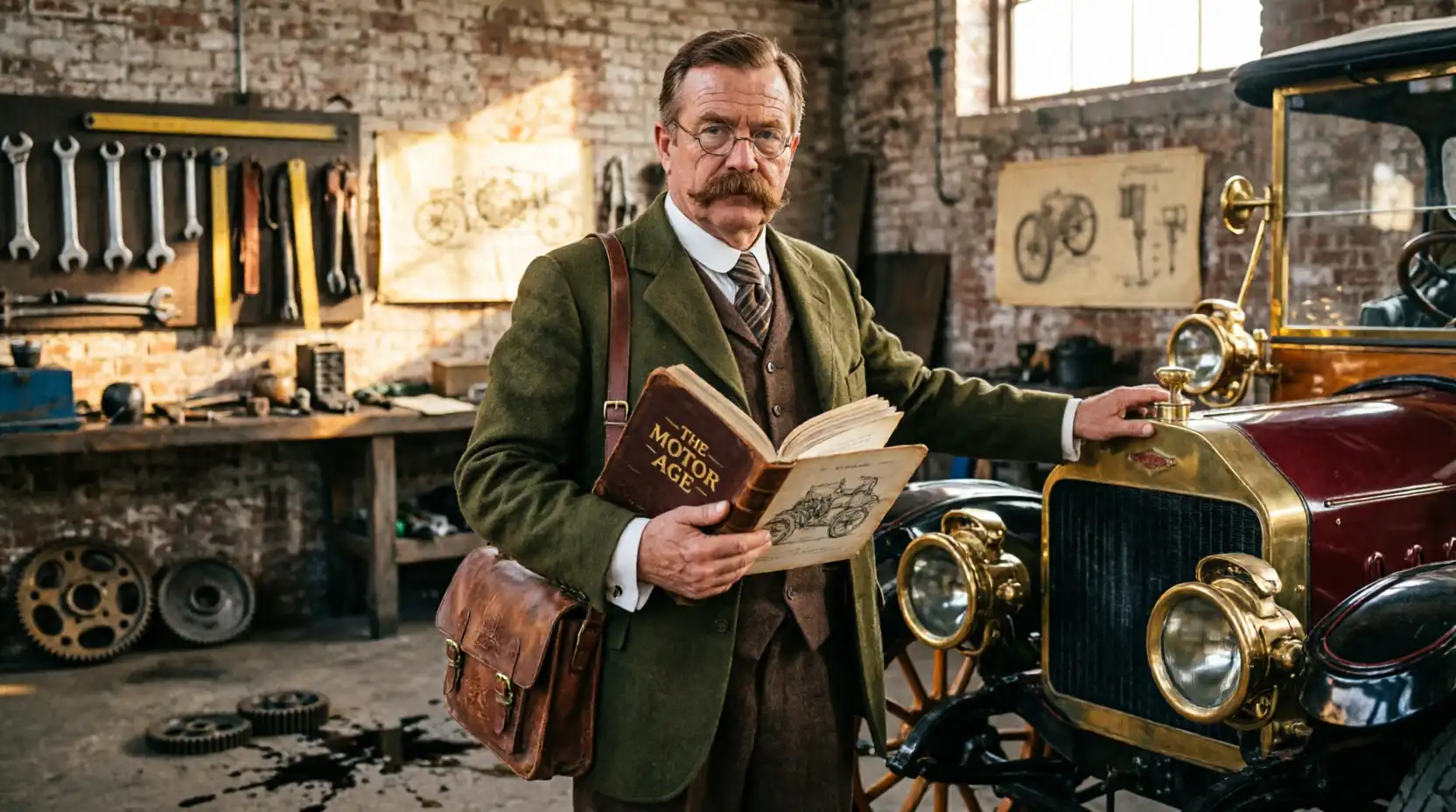
“Cars aren’t just machines. They’re freedom, memory, and a little bit of grease under your fingernails.”
I’m Theodore Roosevelt—though my friends just call me “Ted” (and no, I’m not related to the president, though I do share his love for adventure). I grew up in Detroit in the 1970s, back when the city was still the heart of the American auto industry. My first love was a rusted-out 1967 Mustang my father and I rebuilt in our garage when I was fifteen. That project taught me that cars have souls. After spending twenty years as a mechanic and another ten writing for magazines, I started this blog to help everyday drivers and weekend wrenchers feel confident under the hood. Whether you’re restoring a classic or just trying to keep your daily driver alive for one more winter, I’m here to help you get there.