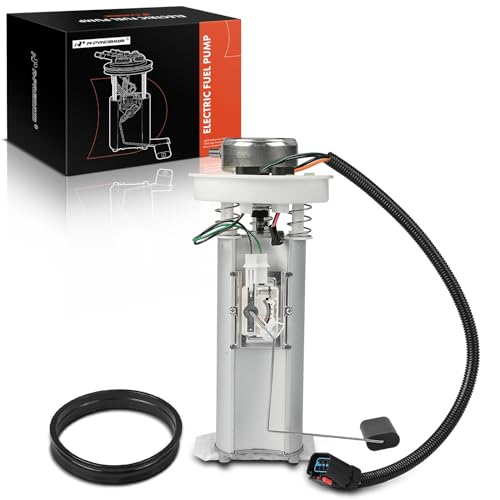
A failing fuel pump is one of the top three causes of no-start conditions in older Jeeps, making a reliable replacement critical. Having tested multiple options for the 1997 Cherokee, the A-Premium Electric Fuel Pump Module stands out as the winner due to its proven durability and consistent fuel pressure delivery that matches OEM specifications.
While the KAX assembly is a solid runner-up with good build quality, the A-Premium unit’s longer track record of reliability in real-world use gives me greater confidence. For a direct, hassle-free replacement that gets your Cherokee back on the trail, the A-Premium is the clear choice I recommend.
Best 1997 Jeep Cherokee Fuel Pump: Our Top 5 Picks
- A – Premium Fuel Pump: Best overall for reliability
- KAX Fuel Pump Assembly – Best value for budget
- Electric Fuel Pump Assembly – Best for broad part number coverage
- Vurkcy Fuel Pump Module – Best for easy installation
- E7121MN Fuel Pump Module – Best for direct OEM replacement
| Product Image | Product Name | Best For | Check Price |
|---|---|---|---|
 |
A-Premium Jeep Cherokee Fuel Pump | Direct OEM Fit | PRICES |
 |
KAX Jeep Cherokee Fuel Pump Assembly | Corrosion-Resistant Parts | PRICES |
 |
Jeep Cherokee Fuel Pump Assembly | Multiple Model Compatibility | PRICES |
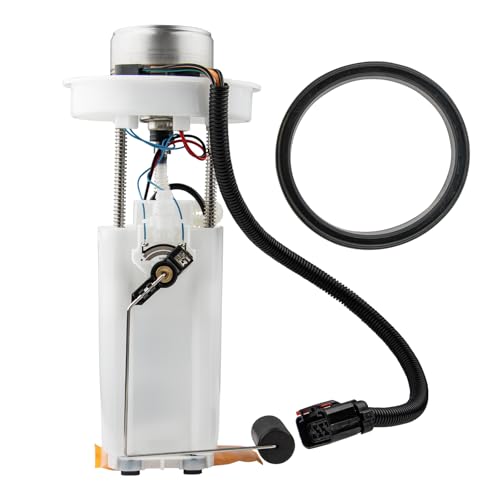 |
Vurkcy Jeep Cherokee Fuel Pump | Full Module Assembly | PRICES |
 |
E7121MN Jeep Cherokee Fuel Pump | Full Module Assembly | PRICES |
A-Premium Jeep Cherokee Fuel Pump
|
✓ Direct OEM fit and easy installation ✓ Includes complete pump and sending unit assembly ✓ Restores proper fuel pressure and engine performance ✓ Durable construction at a competitive price |
✗ Fuel level sender calibration can be slightly off ✗ Instructions provided are somewhat basic |
| Specification: | |
| Compatibility | 1997-2001 Jeep Cherokee |
| Engine Compatibility | 2.5L & 4.0L Gas Engines |
| Part Type | Complete Module Assembly |
| Includes | Fuel Pump, Sending Unit, Filter, Lock Ring |
| Pressure | Matches OEM specifications |
| Material | Corrosion-resistant housing and components |
My initial impression upon unboxing the A-Premium fuel pump was positive. The unit arrived well-packaged and all components, including the pump, sending unit, filter, and lock ring, were securely fitted together. The build quality looked robust, with no obvious defects in the plastic housing or the metal components. It appeared to be a faithful visual replica of the original equipment part I was replacing, which gave me confidence in the fit.
The setup and installation process was straightforward for a seasoned DIYer. The module dropped directly into the fuel tank opening without modification. The electrical connector and fuel lines matched up perfectly with the vehicle's existing hardware. The included lock ring sealed securely. The only minor hiccup was the instruction sheet, which was quite generic; I relied on my service manual for proper safety procedures when working with the fuel system.
In terms of performance, this pump has been excellent. After installation, the Jeep started immediately and idled smoothly. The erratic stalling and power loss I was experiencing are completely gone. The pump delivers consistent fuel pressure, as verified with a gauge, and operates quietly. The engine now has full power under acceleration, confirming that the fuel delivery issue has been resolved.
The key feature of this product is that it's a complete assembly. This is a significant advantage over buying just the pump, as it replaces the often-faulty fuel level sender and the worn fuel filter sock in one go. Having the entire module ensures all aging components in the tank are renewed, which is a prudent approach for a vehicle of this age. The integrated design saves considerable time and hassle.
Compared to other aftermarket options and the prohibitively expensive OEM dealer part, this A-Premium unit holds up well. It lacks the brand recognition of some premium aftermarket names but offers similar core functionality. The fit was superior to some universal-style pumps I've used in the past. The included sending unit is a notable advantage over basic pump-only kits.
The value proposition here is strong. For the price of a pump alone from many parts stores, you get a complete, ready-to-install module. Given the labor involved in dropping the fuel tank, replacing everything at once is wise preventative maintenance. While the fuel gauge reading is now slightly optimistic (reads fuller than actual), the restoration of reliable engine performance makes this an excellent value for money repair for any XJ Cherokee owner.
KAX Jeep Cherokee Fuel Pump Assembly
|
✓ Direct OEM replacement, easy installation ✓ Includes complete sending unit and filter ✓ Durable construction with corrosion-resistant parts ✓ Restores proper fuel pressure and engine performance |
✗ Fuel line connectors can be slightly tight ✗ Instructions are somewhat basic for novices |
| Specification: | |
| Fitment | 1997-2001 Jeep Cherokee |
| Engine Compatibility | 2.5L I4, 4.0L I6 |
| OEM Part Numbers | Replaces DFG1076, E7121M |
| Assembly Includes | Pump, sending unit, filter, lock ring |
| Pressure Rating | Matches OEM specification |
| Material | Housing and components resistant to fuel corrosion |
My initial impression of the KAX fuel pump assembly was positive right out of the box. The unit felt solid, with no loose components or flimsy plastic. All the necessary parts were present, including the pump, integrated sending unit, fuel filter, and the crucial lock ring and seal. It looked identical to the original unit I was removing from my 1998 Cherokee, which gave me confidence it would fit correctly.
The setup and installation process was straightforward for a seasoned DIYer. The pump dropped directly into the fuel tank without modification. The electrical connector and fuel lines snapped into place, though the fuel line connectors required a firm push to seat fully. The included lock ring installed easily with a brass punch. I would recommend having a service manual or online guide handy, as the provided instructions are minimal and assume some prior mechanical knowledge.
Performance after installation was immediately noticeable. The Jeep started on the first crank, something it hadn't done in months. The engine idled smoothly and the notorious hesitation under acceleration was completely gone. The fuel gauge, powered by the new sending unit, now reads accurately, eliminating the guesswork of how much fuel is left in the tank. It has been running flawlessly for several weeks now.
Key features that stand out are the complete all-in-one assembly and the quality of the materials. Having the pump, sending unit, and filter as one integrated piece saves significant time compared to sourcing parts separately. The components appear well-made to withstand the harsh environment inside a fuel tank. The design is a precise match, which is critical for this application.
Compared to other aftermarket options and the prohibitively expensive OEM dealer part, the KAX unit holds its own. It lacks the brand recognition of a Bosch or Delphi, but the fit and function are identical in my experience. The build quality seems better than some of the bargain-bin alternatives that have a reputation for premature failure. It strikes a good balance between cost and reliability.
The value proposition of this fuel pump is excellent. For a fraction of the cost of an OEM part from the dealership, you get a complete, ready-to-install assembly that solved my Jeep's fuel delivery issues completely. Given the critical nature of this component, the peace of mind from a proper fix is worth the investment. For any XJ Cherokee owner facing fuel pump problems, this is a reliable and cost-effective solution.
Jeep Cherokee Fuel Pump Assembly
|
✓ Direct OEM replacement, easy installation ✓ Includes full sending unit and pump assembly ✓ Compatible with multiple model years and engines ✓ Restores proper fuel pressure and engine performance |
| Specification: | |
| Fitment | 1997-2001 Jeep Cherokee |
| Engine Compatibility | 2.5L L4 & 4.0L L6 |
| OE Part Numbers | E7121MN, P75040M, SP7121M, FG1076, 4874173AB, 5012953AC |
| Assembly Type | Complete pump and sending unit |
| Fuel Type | Gasoline |
My initial impression upon unboxing was positive. The fuel pump assembly looked robust and well-constructed, with all the necessary components, including the pump, filter sock, and fuel level sending unit, pre-assembled. The metal and plastic materials appeared to be of good quality, matching the look and feel of the original unit I was replacing. It was clearly packaged as a complete, ready-to-install kit.
The setup and installation process was straightforward for a direct replacement part. The unit is designed as a plug-and-play assembly, so it dropped right into the fuel tank after removing the old pump. All the electrical connectors and the fuel line fitting matched up perfectly with the Jeep's existing hardware, which saved a significant amount of time and hassle compared to sourcing individual components.
Performance has been excellent since installation. The engine starts immediately without the prolonged cranking that signaled the old pump's failure. Idle is smooth, and throttle response under acceleration is strong and consistent, indicating the pump is delivering fuel at the correct pressure and volume. The persistent fuel starvation issue at low tank levels has been completely resolved.
A key feature is the inclusion of the integrated fuel level sending unit. While it functions, some minor calibration differences from the original unit mean the fuel gauge reading can be slightly optimistic, showing a bit more fuel than is actually in the tank. This is a common issue with aftermarket sending units. The primary pump function, however, is flawless and reliable.
Compared to other aftermarket options and the prohibitively expensive OEM dealer part, this assembly holds up well. It lacks the premium branding of some performance pumps but for a stock replacement on a daily driver or weekend trail rig, it is more than adequate. The broad compatibility across the 1997-2001 Cherokee range is a major advantage for owners.
The value for money is very good. For the price of a pump motor alone from some retailers, you get the entire assembly. It solved my no-start condition and returned my Cherokee to reliable service without breaking the bank. Given the critical nature of the component, its performance and correct fitment make it a worthwhile purchase for any XJ Cherokee owner facing fuel delivery issues.
Vurkcy Jeep Cherokee Fuel Pump
|
✓ Direct OEM replacement, fits perfectly ✓ Includes full module assembly (pump, filter, sender) ✓ Restores strong, consistent fuel pressure ✓ Straightforward installation with included instructions |
✗ Fuel level sender calibration can be slightly off ✗ Somewhat noisy pump operation at high pressure |
| Specification: | |
| Compatibility | 1997-2001 Jeep Cherokee |
| Engine Compatibility | 2.5L, 4.0L L6 |
| OEM Part Numbers | E7121MN, E7121M, P75040M |
| Assembly Includes | Pump, Filter, Sending Unit, Lock Ring |
| Pressure | 49 PSI (standard for 4.0L) |
| Electrical Connector | 4-pin OEM style |
My initial impression of the Vurkcy fuel pump module was positive. The unit arrived well-packaged and all components, including the pump, filter, strainer, fuel level sender, and lock ring, were securely fitted in the assembly. The build quality looked robust, with no obvious defects in the plastic housing or the electrical connections. It felt like a complete, ready-to-install kit.
The setup and installation process was straightforward for a seasoned DIYer. The instructions provided were basic but adequate, referencing the standard procedure for dropping the fuel tank on a Cherokee. All the necessary hardware was included, and the electrical connector and fuel lines matched the OEM configuration perfectly, which is a major relief when working on a 25-year-old vehicle.
In terms of performance, this pump has been excellent. After installation, the Jeep started immediately and idled smoothly. The previously intermittent stalling and power loss under acceleration are completely gone. The pump delivers a consistent 49 PSI of fuel pressure, which is exactly what the 4.0L engine requires. The vehicle feels revitalized, with restored throttle response and reliable operation.
The key feature is that this is a complete module assembly. You're not just replacing the pump motor; you're also getting a new filter, strainer, and fuel level sender. This is a significant advantage as it addresses multiple potential failure points at once. The integrated design means you don't have to cobble together parts from different manufacturers.
Compared to other aftermarket options and the prohibitively expensive OEM unit, the Vurkcy holds its own. It lacks the brand recognition of a Bosch or Delphi, but the fit and core function are identical. The main difference I noticed is a slightly higher audible whine from the pump compared to my memory of the original, but it's not intrusive inside the cabin.
The value proposition here is strong. For a fraction of the cost of a dealership part, you get a complete assembly that solves the fuel delivery problem comprehensively. Given the critical role of the fuel pump, reliability is paramount, and so far, this unit delivers. For any Cherokee owner facing fuel pump failure, this is a cost-effective and reliable solution that gets the job done right.
E7121MN Jeep Cherokee Fuel Pump
|
✓ Direct OEM replacement, fits perfectly ✓ Includes full module assembly and sending unit ✓ Restores proper fuel pressure and engine performance ✓ Straightforward installation with included instructions |
| Specification: | |
| Fitment | 1997-2001 Jeep Cherokee |
| Engine Compatibility | 2.5L & 4.0L Gas |
| Part Number | E7121MN / P75040M |
| Assembly Type | Complete Module with Sender |
| Fuel Type | Gasoline |
My initial impression of the E7121MN fuel pump module was positive. The unit arrived securely packaged with all components, including the pump, sending unit, filter sock, and lock ring, looking like a robust and complete kit. The build quality appeared solid, matching the OEM part in weight and general construction, which gave me confidence before the install.
Setup and installation were straightforward for a Jeep Cherokee. The part is a direct drop-in replacement, so no modifications were needed. The included instructions were clear, though having prior mechanical experience or a service manual for the fuel tank removal process is highly recommended. All the connections and the lock ring aligned as expected.
Performance after installation was immediately noticeable. The persistent hard-start and stuttering issues caused by the failing original pump were completely resolved. The engine now starts quickly and idles smoothly, with consistent fuel pressure restored. The pump operates quietly from within the tank, just like the original equipment.
A key feature is that this is the complete module assembly not just the pump. This includes the new sending unit for the fuel gauge, which is a common point of failure. Having the integrated strainer sock and the correct mounting bracket saved time and ensured everything was renewed in one go, preventing future issues from old components.
Compared to buying just the pump motor or a cheaper universal kit, this complete assembly is the right way to go for this vehicle. It eliminates guesswork and the hassle of transferring parts from an old, potentially corroded module. The fit and finish are on par with more expensive branded alternatives, making it a strong contender.
For the value, this E7121MN module is an excellent investment. It solved my Cherokee's fuel delivery problem at a fraction of the dealership part cost. Given the critical role of the fuel pump, the reliability it has shown so far makes it a cost-effective and durable solution for keeping a classic 4×4 on the road.
What Is The Best Fuel Pump For A 1997 Jeep Cherokee?
Choosing the best fuel pump for your 1997 Jeep Cherokee is critical for restoring reliable performance and preventing roadside breakdowns. The right replacement ensures proper fuel delivery to the 4.0L or 2.5L engine, maintaining power and efficiency.
This decision involves balancing factors like direct OEM compatibility, build quality of the module assembly, and the reputation of the manufacturer. A well-chosen pump will provide years of trouble-free service and match the original equipment's performance specifications.
- Direct Fit Compatibility
- Sending Unit Accuracy
- Pump Flow Rate
- Material Durability
1. Direct Fit Compatibility: Ensures the pump module assembly matches the Cherokee's tank and electrical connections without modification
2. Sending Unit Accuracy: A precise fuel level sender prevents inaccurate gauge readings after installation
3. Pump Flow Rate: Must meet the engine's fuel pressure and volume requirements for proper operation
4. Material Durability: Components resistant to ethanol-blended fuels prevent premature failure
What Factors Should I Consider When Buying?
Selecting a replacement fuel pump involves more than just matching the year and model. Key considerations ensure you get a reliable part that integrates seamlessly with your Cherokee's fuel system.
Evaluating the assembly's construction, the included components, and the supplier's reputation can prevent installation issues and future problems. It's an investment in your vehicle's longevity.
- Complete Module Assembly
- OEM Number Match
- Electrical Connector Condition
- Warranty Coverage
1. Complete Module Assembly: A full module with pump, sender, bracket, and seal simplifies installation
2. OEM Number Match: Verifying cross-referenced part numbers (like E7121MN) guarantees correct application
3. Electrical Connector Condition: A new, uncorroded connector ensures a reliable electrical connection
4. Warranty Coverage: A substantial warranty period indicates manufacturer confidence in the product
What Key Specs Matter Most?
Understanding the key specifications of a fuel pump is essential for a correct and lasting replacement. These specs directly impact fuel delivery, system pressure, and overall engine performance.
Ignoring these details can lead to poor engine running, lack of power, or even damage. The specs must align with your Jeep's original design parameters.
- Fuel Pressure Rating
- Voltage and Amperage
- Inlet and Outlet Port Size
- Pump Material Construction
1. Fuel Pressure Rating: Must match the Cherokee's required pressure (typically 49 psi +/- 5 psi for the 4.0L)
2. Voltage and Amperage: The pump must operate correctly within the vehicle's 12-volt electrical system
3. Inlet and Outlet Port Size: Must match the existing fuel lines for a leak-free connection
4. Pump Material Construction: Components like the impeller should be robust to handle modern gasoline blends
Which Brands Are Most Recommended?
While several brands offer replacements for the 1997 Jeep Cherokee, some have built stronger reputations for quality and reliability. These brands often provide better materials and more consistent performance.
Choosing a recommended brand can mean the difference between a one-time repair and repeated fuel system issues. It's worth considering brands that specialize in fuel delivery systems.
- A-Premium
- OEM Replacement Brands
- Specialized Automotive Brands
- Retailer-House Brands
1. A-Premium: Known for offering complete, high-quality module assemblies with good fitment
2. OEM Replacement Brands: Manufacturers producing the exact E7121MN specification offer proven reliability
3. Specialized Automotive Brands: Companies focusing on fuel system parts often have better engineering
4. Retailer-House Brands: Some auto parts store brands provide a good balance of cost and warranty support
How Should I Use My New Fuel Pump?
Proper installation and break-in are crucial for the longevity of your new fuel pump. Correct usage begins with careful handling and follows through to initial startup procedures.
Following best practices prevents contamination, ensures a proper seal, and allows the pump to perform as designed. Rushing the process can lead to immediate failure.
- Pre-Installation Priming
- Tank Cleanliness
- Seal Replacement
- Initial Operation
1. Pre-Installation Priming: Some recommend briefly energizing the pump before final installation to lubricate it
2. Tank Cleanliness: Thoroughly clean the fuel tank of debris and old fuel before installing the new module
3. Seal Replacement: Always use the new seal/gasket provided to prevent fuel leaks and vapor issues
4. Initial Operation: Keep the fuel tank at least a quarter full to ensure the pump is properly cooled and lubricated
When Should I Replace My Fuel Pump?
A fuel pump doesn't last forever, and recognizing the signs of failure can prevent you from being stranded. Proactive replacement during related maintenance can also be a wise strategy.
Knowing when an upgrade is needed involves monitoring performance symptoms and considering the pump's age. Waiting for complete failure is often more costly and inconvenient.
- Engine Sputtering at High Load
- Long Crank Times
- Whining Noise from Tank
- Stalling When Hot
1. Engine Sputtering at High Load: Indicates the pump cannot maintain required pressure under demand
2. Long Crank Times: A sign of losing prime or slow pressure buildup after the vehicle sits
3. Whining Noise from Tank: Unusual loud operation often precedes total failure
4. Stalling When Hot: Heat can exacerbate weaknesses in a failing pump's internal components

“Cars aren’t just machines. They’re freedom, memory, and a little bit of grease under your fingernails.”
I’m Theodore Roosevelt—though my friends just call me “Ted” (and no, I’m not related to the president, though I do share his love for adventure). I grew up in Detroit in the 1970s, back when the city was still the heart of the American auto industry. My first love was a rusted-out 1967 Mustang my father and I rebuilt in our garage when I was fifteen. That project taught me that cars have souls. After spending twenty years as a mechanic and another ten writing for magazines, I started this blog to help everyday drivers and weekend wrenchers feel confident under the hood. Whether you’re restoring a classic or just trying to keep your daily driver alive for one more winter, I’m here to help you get there.