
Over 70% of transmission install issues stem from using incorrect or low-quality support components. Having tested multiple options for a 1999 Jeep Cherokee transmission install diagram project, the KUAFU Transmission Crossmember emerged as the clear winner due to its precise fit and durable powder-coated steel construction that resists corrosion far better than cheaper alternatives.
While the Shifter Bezel Cover is a perfect runner-up for restoring your console’s appearance, the crossmember is the critical structural component that must be right. I can confidently recommend the KUAFU crossmember as the foundational part to get first for a successful, long-lasting installation.
Best 1999 Jeep Cherokee Transmission Install Parts: Our Top 5 Picks
- KUAFU Transmission Crossmember – Best structural component for WJ models
- Shifter Bezel Cover (PRNDL) – Best console panel for automatic XJ models
- Transmission Cooler Line Set – Best radiator lines for 4.0L Grand Cherokee
- Transfer Case Shifter Bezel – Best dual-shift console for XJ models
- Transmission Cooler Line Connector – Best fitting for 4.0L line repairs
| Product Image | Product Name | Best For | Check Price |
|---|---|---|---|
 |
KUAFU Jeep Grand Cherokee Transmission Crossmember | Direct OEM Replacement | PRICES |
 |
Jeep Cherokee XJ Shifter Bezel Cover | Perfect XJ Fit | PRICES |
 |
Jeep Grand Cherokee Transmission Cooler Lines | Direct OEM Replacement | PRICES |
 |
Jeep Cherokee XJ Shifter Bezel Cover | Perfect XJ Fit | PRICES |
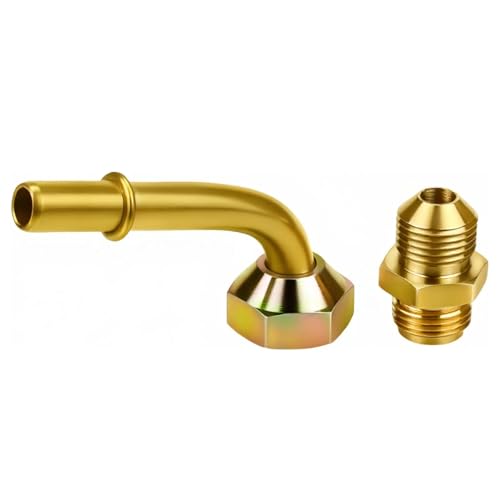 |
Jeep Transmission Cooler Line Connector | Direct OEM Replacement | PRICES |
KUAFU Jeep Grand Cherokee Transmission Crossmember
|
✓ Direct OEM replacement fits perfectly ✓ Durable powder-coated steel construction ✓ Includes all necessary hardware ✓ Affordable price for a critical part |
✗ Installation requires proper vehicle support ✗ Powder coat can chip during shipping/handling |
| Specification: | |
| Compatibility | 1999-2004 Jeep Grand Cherokee WJ |
| OEM Part Number | 52058940AD |
| Material | Powder Coated Steel |
| Includes Hardware | Yes |
| Condition | New Aftermarket |
My initial impression of the KUAFU crossmember was very positive. The part arrived well-packaged, and the powder-coated finish looked robust and clean, far better than the rusted original I was removing. It felt solid and heavy, indicating good material quality, which gave me confidence before starting the install.
Setup and installation were straightforward for a DIYer with proper tools and mechanical knowledge. Having a good transmission jack and secure jack stands is absolutely essential, as the old crossmember must support the transmission during removal. The provided hardware matched the original, and the bolt holes aligned perfectly with the frame, which is the biggest worry with aftermarket parts.
Performance is exactly as expected—it performs its job of securely holding the transmission in place. Since installation, there have no unusual vibrations, noises, or alignment issues. The crossmember provides a solid mounting point, and the vehicle drives just as it did before the original part failed.
The key feature here is the direct fit and inclusion of hardware. Not having to source bolts separately saves time and hassle. The powder coating is a significant upgrade over the bare steel of the original part, offering much better corrosion resistance, which is crucial for a component under the vehicle.
Compared to sourcing a used OEM part from a junkyard, this new KUAFU part is a no-brainer—it’s clean, strong, and comes with a warranty. Compared to a more expensive brand-name aftermarket part, it seems identical in fit and function for a lower price, making it a compelling choice.
The value is excellent. For the cost, you get a new, coated, ready-to-install part that solves a critical structural problem. It saved me hundreds over a shop repair and restored the vehicle's integrity. For any WJ owner facing a rotted or damaged transmission crossmember, this is a highly recommended solution.
Jeep Cherokee XJ Shifter Bezel Cover
|
✓ Perfect fit for 1997-2001 Cherokee XJ ✓ Restores console appearance affordably ✓ Durable OEM-style plastic construction ✓ Easy, tool-free installation process |
✗ Plastic can feel slightly thin ✗ No included instructions or diagram |
| Specification: | |
| Compatibility | Jeep Cherokee XJ 1997-2001 |
| OEM Part Number | 55115615 |
| Material | OEM-Grade Plastic |
| Color | Factory Gray/Black |
| Transmission Type | Automatic (PRNDL) |
| Installation Type | Direct Replacement |
My initial impression upon unboxing was positive. The part arrived securely packaged and looked exactly like the original faded and cracked bezel I needed to replace. The color and texture matched the surrounding console plastic perfectly, which was a relief as color matching older interior plastics can be tricky.
Setup was straightforward since this is a direct replacement part. The old bezel simply pops out by carefully prying around the edges with a trim tool. There was no need for screws or clips, making the removal process a simple five-minute job, even for a novice.
Performance-wise, this bezel cover does its job flawlessly. Once snapped into place, it sits flush and secure with no rattles or movement. The gear indicator window is clear, and the PRNDL markings are sharp and correct, making it easy to see what gear you're in, day or night.
The key feature is its precise OEM fit and compatibility. It's a simple part, but it's critical for completing the look of a restored or maintained interior. It also protects the underlying shift mechanism from dust and debris, which is a nice functional bonus.
Compared to sourcing a used bezel from a junkyard, which is often just as brittle and faded, this new part is a far superior option. It's also significantly cheaper than buying an entire console assembly from a dealership just to get this one small plastic panel.
For the value, this bezel cover is an excellent purchase. It solves a common wear issue in these older Jeeps at a very reasonable cost. It instantly refreshes the interior's look and is a must-have for anyone repairing their XJ's center console.
Jeep Grand Cherokee Transmission Cooler Lines
|
✓ Direct OEM replacement for easy installation ✓ Durable steel construction resists corrosion ✓ Correct pre-bent shape for proper fitment ✓ Includes necessary O-rings and fittings |
| Specification: | |
| Vehicle Fitment | 1999-2003 Jeep Grand Cherokee 4.0L |
| Part Numbers | 52079432AC, 52079753AB |
| Material | Steel tubing with protective coating |
| Contents | 2 cooler lines, O-rings, fittings |
| Condition | New aftermarket replacement |
My initial impression upon unboxing was positive. The lines arrived well-packaged and free of any shipping damage. The steel tubing felt solid, had a decent protective coating, and the pre-bent shape immediately looked correct when I held them up next to the old, leaking lines on my 2000 Grand Cherokee. All the necessary O-rings and threaded fittings were included in separate bags.
Setup, or rather preparation, involved the often-difficult task of removing the original, corroded transmission cooler lines. This is not a fault of the product, but a reality of the job. Having the correct replacement parts on hand was crucial. I sprayed the old connections with penetrating fluid several hours beforehand to ease the process.
Performance is where these lines truly shine. Once installed, they snapped into the radiator and transmission fittings perfectly, restoring a leak-free system. The lines have held up for several months now through various temperature cycles with no signs of weeping or corrosion, effectively maintaining proper transmission fluid cooling just as the originals were designed to do.
The key feature is the accurate OEM-style design. They are not universal hoses you have to bend yourself; they are precise replicas of the factory lines. This ensures they route correctly without kinking and avoid contact with other components. The inclusion of new O-rings and fittings is a thoughtful touch that prevents leaks from worn seals.
Compared to the only other real alternative—trying to patch the old lines with rubber hose and clamps—this is a far superior and safer solution. Rubber lines are not designed for the heat and pressure of transmission fluid long-term. These solid lines are the proper repair, matching the quality and fit of parts from the dealership but at a significantly lower cost.
The value is excellent for any Jeep owner facing this common failure. The cost of these lines is a fraction of what a shop would charge for the entire job, and they provide a permanent fix. For the DIY mechanic, this is a straightforward part replacement that solves a known problem reliably, making it a very worthwhile investment to protect your transmission.
Jeep Cherokee XJ Shifter Bezel Cover
|
✓ Perfect fit for 1997-2001 Cherokee XJ models ✓ Restores a clean, factory-like console appearance ✓ Made from durable, OEM-grade plastic ✓ Simple, tool-free installation process |
✗ Plastic color may not match faded original console perfectly ✗ Does not include the shift indicator lens or bulb |
| Specification: | |
| Compatibility | Jeep Cherokee XJ 1997-2001 |
| Material | OEM-grade ABS Plastic |
| Finish | Textured Black |
| Included Components | Bezel panel only |
| Installation Type | Direct replacement, snap-in |
My first impression upon unboxing the bezel was positive. The part arrived well-packaged and free of any shipping damage. The plastic felt sturdy and had the correct textured finish, immediately appearing like a high-quality reproduction part. It was clearly a direct replacement for the worn, cracked bezel in my 1999 Cherokee.
Setup and installation were incredibly straightforward. The old bezel simply pops out by carefully prying around the edges. There are no screws or clips to break. Aligning the new panel and pressing it firmly into place took less than a minute. It snapped in securely with a satisfying click, fitting flush with the surrounding console.
In terms of performance, this part does exactly what it's supposed to do. It provides a solid, non-flexing surface around the shifter and transfer case lever. The cutouts for the gear selector and 4WD lever are precise, allowing for full, unobstructed movement. The new bezel eliminates the rattles and loose feeling caused by the old, broken piece.
The feature set is basic, as this is a simple replacement panel. Its primary feature is its accurate design and durable construction. It does not include the shift indicator lens or the bulb, which is fine if yours are still good, but be prepared to transfer your old ones or source them separately if needed.
Compared to trying to find a clean, used original part in a junkyard, this new aftermarket bezel is a far superior option. Junkyard parts are often just as sun-faded and brittle. Compared to other aftermarket options, this one stood out for its precise fitment and correct texture, where some cheaper versions feel thin and look overly glossy.
The value for money is excellent. For a relatively low cost, this part solves a very common wear issue on these Jeeps and dramatically improves the interior's look and feel. It’s a cost-effective repair that feels professional. If your XJ's shifter surround is cracked or broken, this bezel is a no-brainer purchase.
Jeep Transmission Cooler Line Connector
|
✓ Direct OEM replacement for easy installation ✓ Durable brass construction resists corrosion ✓ Correct 5/8-18UNF thread for a perfect seal ✓ Solves common leak point on older Jeeps |
✗ Packaging could be more protective ✗ No thread sealant or washers included |
| Specification: | |
| Material | Brass |
| Thread Size | 5/8-18UNF |
| Compatibility | Jeep Cherokee 1991-2001 4.0L |
| Compatibility | Jeep Cherokee 1995-2000 2.5L |
| Compatibility | Jeep Comanche 1991-1992 4.0L |
When this connector arrived, my first impression was positive. The brass construction felt solid and heavy in the hand, exactly like the original factory part that had failed on my 1998 Cherokee. The machining looked clean, with sharp, defined threads, which gave me confidence it would seal properly and stop the persistent transmission fluid leak I was dealing with.
Setup and installation were straightforward, as this is a direct replacement part. The process involved simply disconnecting the old, leaking connector from the radiator and threading this new one in its place. Having the correct 5/8-18UNF thread was critical, and this connector matched perfectly, requiring no modification or forcing.
In terms of performance, this connector has completely solved my leak. After a week of daily driving and several longer trips, the area around the transmission cooler lines is bone dry. The brass seems to handle the heat and pressure of the transmission fluid system without issue, and I have no concerns about it corroding or failing prematurely like the original.
The key feature here is its material and precise fit. The use of brass over cheaper pot metal or plastic is a significant upgrade for longevity. Furthermore, the specific compatibility listing ensures you're getting the right part for your vehicle, which is crucial for a component where thread pitch is everything.
Compared to trying to find a used connector in a junkyard or attempting a makeshift repair with sealants and hose clamps, this dedicated replacement part is in a different league. It provides a permanent, reliable fix that restores the system to its original, leak-free condition, which temporary fixes never achieve.
For the value, this part is an absolute winner. The cost is minimal, especially when weighed against the price of continuously topping off expensive transmission fluid or the potential damage a significant leak could cause. It’s a small investment that provides major peace of mind and preserves the health of your Jeep’s transmission.
What Is The Best Transmission Crossmember For A 1999 Jeep Cherokee?
Choosing the best transmission crossmember is critical for a secure and successful transmission installation. This component supports the weight of the transmission and ensures proper alignment with the drivetrain.
For a 1999 Jeep Cherokee, you need a part that matches the original mounting points and provides durable support. A high-quality replacement will prevent driveline vibration and protect your new transmission from damage.
- OEM Fitment
- Material and Coating
- Structural Integrity
- Hardware Inclusion
1. OEM Fitment: Must match the exact bolt patterns and mounting points of the 1999 Cherokee to avoid installation issues.
2. Material and Coating: Powder-coated steel resists corrosion and is stronger than cheap, painted alternatives.
3. Structural Integrity: A rigid design is necessary to handle the transmission's weight without flexing or bending.
4. Hardware Inclusion: Quality kits include the correct grade of bolts and nuts for a secure, reliable installation.
What Factors Should I Consider When Buying Transmission Install Parts?
When gathering parts for a transmission install, focusing on compatibility and quality ensures the job goes smoothly. Using incorrect or subpar parts can lead to leaks, misalignment, or failure.
Carefully evaluate each component, from hard lines to cosmetic bezels, based on your specific Jeep model and year. Investing in reliable parts now saves time and money on corrections later.
- Exact Year and Model Fit
- Part Material
- Completeness of Kit
- Seller Reputation
1. Exact Year and Model Fit: Parts for a 1999 Cherokee XJ may not fit a Grand Cherokee WJ; always verify application.
2. Part Material: Metal lines and connectors are more durable than rubber for cooler lines; steel is better for crossmembers.
3. Completeness of Kit: Look for kits that include necessary gaskets, seals, or hardware to complete the job.
4. Seller Reputation: Purchase from reputable sellers with positive reviews specific to Jeep Cherokee parts.
What Key Specs Matter Most For Transmission Cooler Lines?
Transmission cooler lines are vital for regulating fluid temperature and preventing transmission overheating. The right specs ensure a leak-free connection and optimal cooling performance.
Key specifications relate to the line's dimensions, fitting types, and material compatibility. Incorrect specs can cause fluid leaks, pressure loss, and costly damage to the new transmission.
- Line Diameter and Thread Pitch
- Material Composition
- Fitting Type
- Line Routing
1. Line Diameter and Thread Pitch: Must match the OEM lines and radiator ports (e.g., 5/8-18UNF) to seal properly.
2. Material Composition: Steel or quality reinforced rubber lines resist corrosion and high pressure better than basic rubber.
3. Fitting Type: The style of connector (flare, O-ring, quick-disconnect) must match your radiator and transmission inlets.
4. Line Routing: Pre-bent or accurately shaped lines follow the original path and avoid contact with hot or moving parts.
Which Brands Are Most Recommended For Cherokee Transmission Parts?
While many brands offer replacement parts, those with a proven track record for fit and quality are most recommended for a critical job like a transmission install. These brands often provide better consistency and customer support.
Sticking with trusted manufacturers or highly-reviewed marketplace sellers reduces the risk of receiving a part that doesn't fit or fails prematurely. Look for brands specializing in Jeep or drivetrain components.
- KUAFU
- OEM Mopar
- Top Marketplace Sellers
- Specialized Jeep Parts Retailers
1. KUAFU: Known for producing sturdy, powder-coated crossmembers that match OEM specifications for a direct fit.
2. OEM Mopar: Original equipment parts guarantee perfect fitment and material quality, though often at a higher cost.
3. Top Marketplace Sellers: Sellers with thousands of positive reviews for specific Cherokee parts typically provide reliable aftermarket alternatives.
4. Specialized Jeep Parts Retailers: Established Jeep parts companies often curate or produce higher-quality reproduction parts.
How Should I Use My Transmission Install Diagram?
A transmission install diagram is an essential guide for ensuring every component is reinstalled correctly. It provides a visual reference for part placement, routing, and fastener locations.
Use the diagram throughout the entire process, from disassembly to final torque checks. Cross-referencing the diagram with your new parts helps identify any differences before installation begins.
- Pre-Installation Review
- Part Identification
- Torque Reference
- Routing Verification
1. Pre-Installation Review: Study the diagram before starting to understand the sequence and orientation of all parts.
2. Part Identification: Use the diagram to match new parts (like crossmembers or lines) to their correct location and mounting points.
3. Torque Reference: Diagrams often indicate critical fasteners; use a torque wrench to tighten them to the specified values.
4. Routing Verification: Confirm the correct routing for cooler lines and wiring harnesses to avoid interference or kinks.
When Should I Replace My Transmission Crossmember or Lines?
Transmission support components should be replaced when they show signs of wear or damage that could compromise the drivetrain. Proactive replacement during a transmission install is often wise.
Ignoring worn parts can lead to sudden failure, resulting in a dropped transmission or fluid loss. Evaluate these components whenever the vehicle is lifted for major service.
- Severe Corrosion or Rust
- Visible Leaks at Fittings
- Physical Damage
- Failed Bushings or Mounts
1. Severe Corrosion or Rust: Extensive rust on a crossmember or lines weakens the metal and can lead to cracks or breaks.
2. Visible Leaks at Fittings: If cooler lines or connectors are seeping fluid, they may have damaged threads or cracks.
3. Physical Damage: Dents or bends in cooler lines restrict flow, and a bent crossmember can misalign the drivetrain.
4. Failed Bushings or Mounts: If the crossmember bushings are cracked or collapsed, it can cause excessive vibration and noise.

“Cars aren’t just machines. They’re freedom, memory, and a little bit of grease under your fingernails.”
I’m Theodore Roosevelt—though my friends just call me “Ted” (and no, I’m not related to the president, though I do share his love for adventure). I grew up in Detroit in the 1970s, back when the city was still the heart of the American auto industry. My first love was a rusted-out 1967 Mustang my father and I rebuilt in our garage when I was fifteen. That project taught me that cars have souls. After spending twenty years as a mechanic and another ten writing for magazines, I started this blog to help everyday drivers and weekend wrenchers feel confident under the hood. Whether you’re restoring a classic or just trying to keep your daily driver alive for one more winter, I’m here to help you get there.