
Imagine packing for a week-long camping trip, only to realize your Jeep’s rear cargo area is already overflowing before you’ve even loaded the cooler. You are not alone. For decades, Jeep owners have wrestled with the paradox of owning a vehicle built for adventure yet often feeling constrained by square footage. Whether you drive a two-door Wrangler, a four-door Grand Cherokee, or a rugged Gladiator, understanding your specific cargo capacity is the first step toward unlocking the full potential of your vehicle.
In 2026, with more families embracing overlanding and remote work lifestyles, maximizing storage space has never been more critical. This article will walk you through the exact cargo capacities of every major Jeep model, reveal clever storage hacks that cost less than fifty dollars, and explain how to safely increase your payload without voiding your warranty. By the end, you will know exactly how to pack smarter, not harder, and ensure every cubic inch of your Jeep serves a purpose.
Key Takeaways
- ✓ Know your Jeep model’s exact cargo volume and payload capacity before packing; check the driver’s door jamb for weight limits.
- ✓ Use vertical space with cargo shelves, rear seat delete kits, and Molle panels to double your usable storage area.
- ✓ Invest in tailgate tables, underfloor storage bins, and modular bin systems to add organization without sacrificing floor space.
- ✓ Always pack heavy items low and forward to maintain vehicle stability and safety, especially when using roof racks.
- ✓ Adapt your storage strategy seasonally, using collapsible gear in summer and roof-mounted carriers in winter for bulky items.
Frequently Asked Questions
What is the cargo capacity of a 2026 Jeep Wrangler Unlimited?
The 2026 Jeep Wrangler Unlimited offers 31.7 cubic feet of cargo space behind the rear seats and 72.4 cubic feet with the rear seats folded flat. This makes it one of the most spacious two-row SUVs in its class, capable of fitting a full-size mattress for camping.
Can I increase my Jeep’s cargo capacity without buying a new vehicle?
Yes, absolutely. You can add a roof rack or cargo basket for bulky items, install a hitch-mounted cargo carrier for extra gear, or use a rear seat delete kit to create a flat, open cargo area. However, always respect your vehicle’s payload capacity and roof load limits to avoid safety risks.
How do I calculate how much weight my Jeep can carry?
Find the Gross Vehicle Weight Rating (GVWR) on the driver’s side door jamb sticker. Subtract the curb weight of your Jeep (found in the owner’s manual or) from the GVWR. The result is your maximum payload capacity, which includes passengers, cargo, and any aftermarket accessories. For example, a Grand Cherokee with a 6,500-pound GVWR and a 5,000-pound curb weight has a 1,500-pound payload.
Q What is the best way to organize a Jeep Gladiator’s truck bed?
The best approach is a modular bed system. Start with a bed liner for protection, then add a bed divider or sliding tray to separate gear. Use stackable storage bins or a locking tonneau cover for security. For taller items, a bed rack system allows you to carry bikes or kayaks above the bed while keeping the floor clear.
Conclusion
Maximizing your Jeep’s cargo capacity is not about buying a bigger vehicle; it is about using the space you have more intelligently. By knowing your model’s exact dimensions, leveraging vertical storage, and choosing the right accessories, you can transform your Jeep from a cramped commuter into a versatile adventure machine. Whether you are heading to the grocery store or the Grand Canyon, these strategies will help you carry more, stay organized, and drive with confidence.
Now is the time to take action. Open your Jeep’s tailgate, measure your cargo area, and identify one area where you can improve. Maybe it is installing a cargo shelf, buying a set of stackable bins, or cleaning out the clutter that has accumulated over the years. Every cubic inch counts, and with the tips in this guide, you are ready to make the most of every one. Your next adventure awaits, and your Jeep is ready to carry it all.
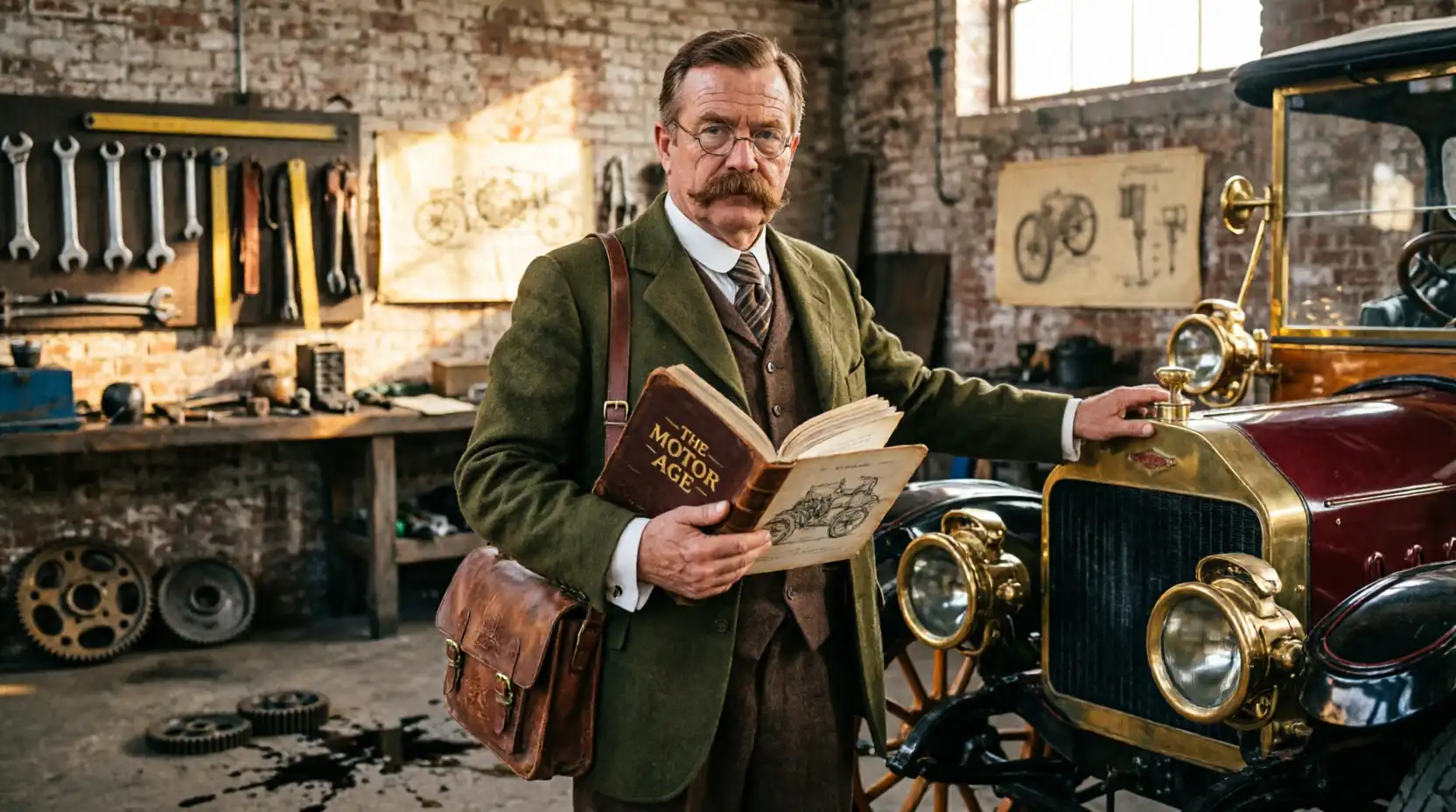
“Cars aren’t just machines. They’re freedom, memory, and a little bit of grease under your fingernails.”
I’m Theodore Roosevelt—though my friends just call me “Ted” (and no, I’m not related to the president, though I do share his love for adventure). I grew up in Detroit in the 1970s, back when the city was still the heart of the American auto industry. My first love was a rusted-out 1967 Mustang my father and I rebuilt in our garage when I was fifteen. That project taught me that cars have souls. After spending twenty years as a mechanic and another ten writing for magazines, I started this blog to help everyday drivers and weekend wrenchers feel confident under the hood. Whether you’re restoring a classic or just trying to keep your daily driver alive for one more winter, I’m here to help you get there.