
You’ve just finished an oil change on your 2015 Jeep Renegade, and that amber “Change Engine Oil” message won’t go away. Figuring out how to reset the oil change light on your 2015 Jeep Renegade is straightforward once you know which path your trim level requires. This guide walks you through both methods so you can clear that warning correctly and get back on the road with confidence.
The 2015 Renegade uses Jeep’s Oil Life Monitoring System, which tracks engine temperature, RPM load, and driving cycles rather than relying on a simple mileage counter. As of 2026, this system remains one of the most accurate in its class when you pair it with the correct reset procedure. We’ll show you exactly what to do next.
Source: Bing (Web fair-use with source credit)
Quick Answer
How To Reset Oil Change Light On 2015 Jeep Renegade depends on your trim. Sport and Longitude models use steering wheel buttons and an ignition cycle. Limited and Overland trims may require a scan tool instead.
The manual method takes about three minutes and costs nothing. A scan tool method works across all trims and takes roughly five minutes. Always change the oil before resetting the light.
The Frustrating “Change Engine Oil” Light: What You Need to Know
Why It Flashes, Stays On, or Won’t Clear After an Oil Change
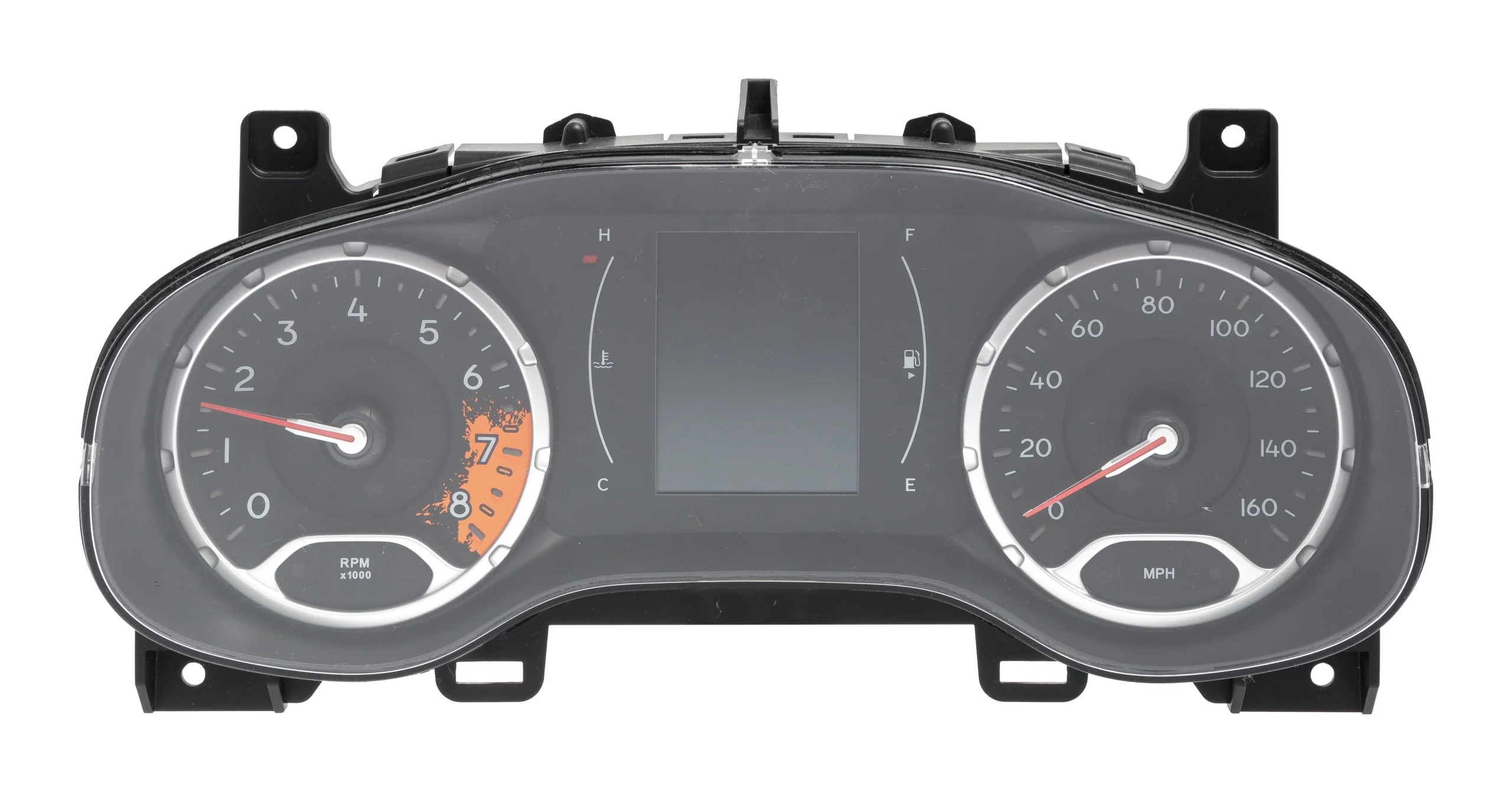
That stubborn amber message behind your steering wheel can feel like a nagging reminder you cannot silence. The instrument panel cluster displays the warning whenever the Oil Life Monitoring System calculates that your synthetic blend has degraded below a safe threshold. Jeep programs the algorithm to respond to real engine stress, not just calendar time or odometer rolls.
The light behaves differently depending on severity. A flashing message appears roughly a thousand miles before the scheduled interval. This gives you a buffer to schedule service.
Once the calculated oil life reaches zero percent, the warning switches to a solid amber display. At that point the system considers the oil overdue for replacement.
Some owners report the light refuses to clear even after a fresh oil change. This usually means the reset sequence was interrupted or performed incorrectly. Others notice the message return within days.
That signals a possible sensor issue or an actual problem beyond simple reminder logic.
Your Renegade’s dashboard tells you something important when this light stays on after servicing. If you changed the oil and followed the reset steps correctly but the warning persists, the monitoring module may need a deeper diagnostic scan. A broken part-time mode light on a Jeep often shares similar symptoms with electrical gremlins worth investigating.
What the Light Actually Measures (and Why It Matters)
The Oil Life Monitoring System inside your Renegade does not count miles alone. It processes a combination of operating variables to estimate remaining oil viability. These variables include cold starts, highway cruising, towing loads, extreme temperatures, and frequent short trips where the engine never fully warms up.
Jeep calculates oil degradation based on how hard your 2.4-liter Pentastar engine works between changes. Stop-and-go city driving accumulates wear faster than steady highway cruising. Frequent towing or off-road use accelerates breakdown even more.
The system adjusts your displayed percentage accordingly.
This intelligent approach means two owners of the same model year may see very different reset intervals. One driver might reset at 6,000 miles while another stretches to 8,500. Both readings are valid because the algorithm reflects actual usage patterns rather than a generic rule.
Understanding this helps you trust the system while also recognizing its limits. The monitor tracks lubricant condition, not mechanical problems. If your engine consumes oil excessively or runs hot despite fresh fluid, the light will not diagnose those issues.
Regular visual inspections of the dipstick remain essential alongside the electronic monitor.
How the Jeep Oil Life Monitoring System Actually Works
What Triggers the “Change Engine Oil” Message
Jeep designed the Oil Life Monitor to replace fixed-interval reminders with adaptive scheduling. The Powertrain Control Module receives data from multiple sensors throughout the engine bay. These inputs feed into an algorithm that estimates how much useful life remains in your current oil fill.
The primary trigger for the “Change Engine Oil” message occurs when the calculated oil life drops below a programmed threshold. In normal operation this happens near seven thousand five hundred miles or twelve months for the 2015 Renegade. But actual triggers vary based on driving habits and environmental conditions.
Severe service conditions accelerate the countdown significantly. Driving in dusty environments, making repeated short trips under three miles, operating in extreme heat or cold, or frequently towing trailers all contribute to faster oil degradation. The monitor detects these patterns and shortens your displayed interval automatically.
When the percentage reaches zero, the message becomes mandatory in the system’s logic. Continuing to drive with zero percent oil life risks accelerated engine wear and potential component damage. The monitor cannot distinguish between genuine degradation and a sensor glitch, which is why proper reset technique matters.
How Driving Conditions Change the Interval
Your daily driving routine shapes how quickly the Oil Life percentage climbs downward. Highway commuters who maintain steady speeds and allow the engine to reach full operating temperature consistently will typically see longer intervals between resets. The engine runs cleaner under these conditions and the oil retains its protective properties longer.
Urban drivers who weave through traffic, idle frequently, and rarely exceed fifteen-minute trips place heavier stress on lubricant. Each cold start deposits fuel dilution and moisture into the crankcase. Short drives prevent the engine from reaching temperatures high enough to burn off contaminants.
The monitor registers this pattern and reduces your displayed oil life accordingly.
Climate plays a role too. Regions with sustained temperatures above ninety degrees Fahrenheit or below zero push oil toward breakdown faster. The Renegade’s cooling system manages engine temperature well, but ambient extremes still affect fluid longevity.
Owners in harsh climates should plan for more frequent resets even when the algorithm suggests otherwise.
Towing or hauling heavy loads adds another dimension. The 2015 Renegade carries a modest tow rating of two thousand pounds. When you push it toward that limit, cylinder pressures and temperatures rise significantly.
Fresh synthetic oil handles this stress better than conventional blends, but the monitoring system still accounts for the additional strain in its calculations.
Why Simply Clearing the Light Isn’t Enough
Clearing the warning message without changing the oil defeats the entire purpose of the monitoring system. The light exists to protect your engine from running on degraded lubricant. Ignoring that protection invites premature wear on bearings, camshafts, and piston rings.
Many owners treat the reminder as an annoyance rather than a safeguard. They reset the light to silence the nagging dashboard message and postpone the actual service. This behavior risks expensive repairs down the line.
A simple oil change costs far less than rebuilding a worn engine.
The system cannot differentiate between a proper reset and a shortcut. It trusts the driver to perform maintenance correctly. When you reset after a legitimate oil change, the algorithm begins a fresh calculation cycle from one hundred percent.
Your new interval reflects your actual driving patterns going forward.
Proper maintenance discipline means viewing the light as helpful guidance rather than a chore. Track your oil life percentage during each fill-up. Notice how driving conditions shift the numbers.
Build awareness of what healthy oil life looks like for your specific routine. This knowledge makes you a better owner over time.
Which Reset Path Fits Your 2015 Renegade?
Trim Level and Dashboard Type
Your 2015 Jeep Renegade trim determines which reset method works best for your vehicle. The Sport and Longitude trims feature a basic Multi-Function Display positioned in the instrument cluster. These dashboards rely on steering wheel control buttons for menu navigation.
You access the oil life screen through button presses alone.
Limited and Overland trims upgrade to a larger touchscreen infotainment system mounted on the center stack. These models retain some steering wheel controls but offer additional menu pathways through the screen interface. The touchscreen path provides more visual feedback during the reset process.
If you own a Sport or Longitude, the manual button method should work reliably. The procedure takes only a minute or two and requires zero equipment. You simply cycle through the display menus using the trip odometer button located on the dashboard stalk.
Trim level alone does not guarantee success either. Some owners report that the manual method occasionally fails on newer software revisions regardless of trim. If button pressing produces no response after three attempts, switching to a scan tool becomes the practical fallback.
Available Tools and Comfort Level
Do you own a OBDII scanner already, or would purchasing one feel like overkill for a single reset? Basic code readers run thirty to eighty dollars at most auto parts stores. More advanced bidirectional tools capable of triggering Jeep-specific functions cost two hundred dollars or more.
Consider whether you plan to use the tool beyond this one task.
Comfort level with electronics matters too. If reading digital menus and pressing screen buttons feels natural, the touchscreen path on Limited and Overland trims works smoothly. If you prefer physical knobs and tactile buttons, the manual method on lower trims feels more intuitive.
Many independent shops offer oil life reset service for fifty to one hundred dollars when bundled with an oil change. Dealerships charge similar rates through their service departments. Doing it yourself eliminates that expense entirely and takes under ten minutes total.
Self-sufficiency pays off beyond just this one task. Learning to operate a scan tool opens doors to diagnosing check engine codes, reading live sensor data, and performing other maintenance resets. Floor protection solutions like quality mats complement your DIY mindset by keeping your Renegade’s interior clean during routine maintenance sessions.
When to Stick with Manual Versus When to Grab a Scanner
Choose the manual reset method when your Renegade responds predictably to button sequences and you want the simplest possible approach. This path suits owners who change oil regularly, prefer minimal equipment, and enjoy straightforward tasks. If the buttons respond correctly on the first try, you have completed the reset successfully.
Switch to the scanner method when the manual approach fails repeatedly or when you own a Limited or Overland trim with touchscreen integration that behaves inconsistently. Scanners bypass the dashboard interface entirely and communicate directly with the Powertrain Control Module. This direct communication eliminates ambiguity about whether the reset command registered properly.
Scanner users gain additional benefits beyond oil life resets. Code readers reveal stored diagnostic trouble codes that might explain other warning lights on your dash. Live data streams show real-time engine parameters that help diagnose intermittent problems before they become serious.
If you already own diagnostic equipment for other vehicles, leveraging that existing tool for your Renegade makes financial sense. Sharing scanners across multiple vehicles reduces per-vehicle costs and builds technical confidence over time.
Manual Reset Using the Steering Wheel Buttons Step-by-Step
Preparation Before You Begin
Park your Renegade on level ground and engage the parking brake securely. Turn the ignition to the off position and remove the key if your model uses a traditional blade key. Some later 2015 models feature push-button start, in which case you press the start button twice without touching the brake pedal to reach accessory mode.
Verify that you recently changed the engine oil and filter. Resetting the light without fresh oil undermines the entire monitoring system. Use five quarts of SAE 5W-20 full synthetic oil as specified by the manufacturer.
Confirm the oil life percentage displayed on your Multi-Function Display before starting the reset sequence.
Gather your patience and focus. The manual method requires precise timing and button sequencing. Rushing through the steps causes most failures.
Take your time and watch the display closely for each confirmation message.

Source: Bing (Web fair-use with source credit)
The Button Sequence for Sport and Longitude Trims
Press and hold the trip odometer reset button located on the dashboard stalk. Keep holding while you turn the ignition to the on position without cranking the engine. The instrument panel will illuminate all warning lights briefly during this initialization phase.
Continue holding the button for approximately ten seconds until the oil life percentage appears on the display.
Release the button once the percentage number shows. Press the trip reset button again to scroll through available menu items. Navigate until you reach the oil life remaining screen.
This screen displays your current percentage along with any active messages.
Press and hold the select button for five seconds. Watch the display carefully as the percentage counts upward from its current value. When it reaches one hundred percent, release the button immediately.
The system confirms a successful reset by displaying the full one hundred percent value.
Turn the ignition off and wait five seconds. Restart the engine to verify the reset stuck. The “Change Engine Oil” message should no longer appear on the dashboard.
If the warning returns immediately, repeat the entire sequence from the beginning.
Confirming a Successful Reset
A successful manual reset produces three clear indicators. First, the oil life percentage reads one hundred percent in the Multi-Function Display. Second, the “Change Engine Oil” message disappears completely from the screen.
Third, no new warning lights illuminate after restarting the engine.
Some owners mistake the temporary light sweep during ignition on for a problem. All dashboard warnings flash briefly when you turn the key to on. This self-test confirms each bulb and LED functions correctly.
Normal warnings extinguish within seconds. Persistent illumination after that window indicates an actual issue.
Record the reset date and current mileage in a maintenance log. This record helps you track whether the new interval aligns with your typical driving patterns. If the light flashes again unusually soon after a proper reset, investigate possible underlying problems rather than assuming the system is broken.
Troubleshooting When the Manual Method Fails
If the button sequence produces no response after three complete attempts, document exactly what happened at each step. Note whether the display lights up normally. Check whether the trip odometer button clicks and returns physically.
Look for any error messages that appear during the process.
Common failure points include forgetting to hold the button long enough during ignition cycling. Some owners release too early and miss the menu entry trigger. Others turn the key past on into start position without realizing it, which skips the required accessory state entirely.
Battery voltage affects electronic module responsiveness. A weak battery can cause intermittent communication failures between the steering column controls and the instrument cluster. If your headlights dim noticeably when cranking, consider having the battery load tested before attempting another reset.
When manual troubleshooting exhausts all options, move to the scan tool method. The electronic pathway through the OBDII port bypasses dashboard interface issues entirely and reaches the same Powertrain Control Module destination.
Resetting with an OBDII Scan Tool Step-by-Step
Choosing the Right Scanner for Jeep Systems
Not every OBDII reader can perform a Jeep oil life reset. Basic code readers that only retrieve and clear emission-related diagnostic trouble codes lack the bidirectional control needed for maintenance functions. You need a tool that supports manufacturer-specific protocols and can send service reset commands to the Powertrain Control Module.
Affordable options in the one hundred to two hundred dollar range often handle Jeep maintenance resets adequately. Brands like Autel, Launch, and Ancel produce scan tools compatible with Chrysler family vehicles. Check the product specifications carefully before purchasing to confirm Jeep Renegade support.
Professional-grade tools used by dealerships and independent shops cost significantly more. These machines offer deeper diagnostics, programming capabilities, and updated software databases. Unless you plan regular professional-level work, a consumer bidirectional scanner provides sufficient capability for this task.
Source: Bing (Web fair-use with source credit)
Connecting to the OBDII Port and Navigating Menus
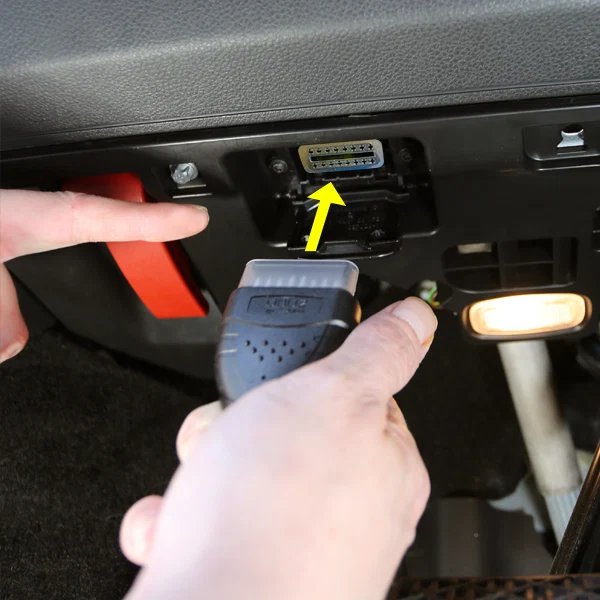
Locate the OBDII diagnostic port beneath the dashboard on the driver side. It sits near the steering column, usually within easy reach of your left knee. The port features a trapezoidal shape with sixteen pins arranged in two rows.
Plug your scanner cable firmly into this socket until the latch clicks.
Turn the ignition to the on position without starting the engine. Most scan tools power directly from the diagnostic port and illuminate their screens automatically. Allow the device a few seconds to establish communication with your vehicle’s modules.
A successful connection displays your vehicle make, model, and year information.
Navigate through the menu system to locate the engine or powertrain section. Different scanners organize their interfaces differently. Look for keywords like “Special Functions,” “Maintenance Reset,” or “System Tests.” Select the oil life reset option from whatever category contains it.
Some tools require you to confirm vehicle identification before accessing reset functions. Follow any prompts asking you to verify the VIN or select your exact model from a dropdown list. Skipping identification steps can cause communication errors or incorrect function execution.
Executing the Oil Life Reset Function
Once you locate the oil life reset command, select it carefully. The scanner may display a warning confirming you want to reset the monitoring system. Read the warning and confirm your choice to proceed.
Some tools ask for additional confirmation before sending the command to the Powertrain Control Module.
Watch the scanner screen for status messages during the reset process. A successful command displays a confirmation message indicating the reset completed. The tool may also show the new oil life value as one hundred percent.
Allow the process to finish completely before closing the scanner application.
Keep the ignition on throughout the entire reset procedure. Interrupting power to the diagnostic port mid-process can corrupt communication and require a full restart. If the scanner reports an error, disconnect and reconnect the cable, then retry from the beginning.
Verifying the Reset and Clearing Related Codes
Turn the ignition off and remove the scanner from the OBDII port. Wait ten seconds before restarting the engine. Observe the instrument cluster carefully during the startup sequence.
The oil life percentage should display one hundred percent with no accompanying warning message.
Start the engine and let it idle briefly. Verify that no new warning lights appear on the dashboard. Check the Multi-Function Display to confirm the oil life monitor began its fresh calculation cycle.
Drive the vehicle normally for a short period to ensure everything operates correctly.
If the scanner revealed additional diagnostic trouble codes during connection, review them separately. Some codes relate directly to the oil life system, while others indicate unrelated issues worth addressing. Clearing codes without understanding their meaning wastes time and risks missing genuine problems.
Consider downloading or printing a copy of any stored codes for your records. These documents prove valuable during future diagnostics or when selling your vehicle. Maintaining thorough service records strengthens resale value and helps subsequent owners understand your maintenance history.
Manual vs. Scanner Method: Side-by-Side Comparison
Which Method Wins on Simplicity?
The manual method requires zero equipment and uses buttons already mounted on your steering column. You press and hold the trip odometer reset button while cycling the ignition through specific positions. The display handles the rest through its built-in menu system.
Total time runs two to five minutes depending on your familiarity with the sequence.
The scanner method demands you purchase or borrow diagnostic equipment first. You connect the tool to the OBDII port under the dashboard, navigate digital menus, and send commands directly to the Powertrain Control Module. Setup time adds three to five minutes before you even begin the actual reset process.
Simplicity clearly favors the manual approach for owners who perform occasional maintenance. The scanner path suits technicians and DIY enthusiasts who already own compatible tools. If you have neither tool nor interest in learning scanner operation, the button method remains your practical choice.
Reliability Across Different Trims
Lower trim Sport and Longitude models feature straightforward dashboard interfaces that respond consistently to manual sequences. The physical button presses trigger specific menu pathways programmed into the instrument cluster. Most owners complete successful resets on the first attempt when following the procedure precisely.
Higher trim Limited and Overland models integrate the oil life function deeper into the touchscreen infotainment system. Some owners report inconsistent behavior where menu navigation fails to register commands properly. Software updates from Jeep occasionally change interface logic, causing previously successful methods to fail unexpectedly.
Scanner communication bypasses both dashboard and touchscreen interfaces entirely. Direct module-to-module messaging eliminates ambiguity about whether commands reached their destination. The reliability advantage becomes significant when manual methods produce repeated failures across multiple attempts.
Cost Implications Over Time
Manual resetting costs absolutely nothing beyond the time investment. You use existing controls already installed in your vehicle. No purchases required, no subscriptions needed, no software updates to manage.
The only expense is your personal attention to the procedure.
Scanner ownership ranges from thirty dollars for basic code readers to two hundred dollars for bidirectional tools with manufacturer-specific capabilities. Basic readers often cannot perform Jeep resets despite their low price. You must verify compatibility before purchasing to avoid wasting money on incompatible equipment.
If you plan regular DIY maintenance across multiple vehicles, scanner costs amortize quickly. The same tool handles oil resets, brake pad wear calculations, throttle body adaptations, and numerous other service functions. One purchase replaces multiple trips to service advisors for routine reminders.
Control and Information Access
Manual methods provide limited feedback during the reset process. You watch the display percentage climb toward one hundred percent and hope the confirmation message appears. Nothing confirms whether the command registered correctly with the engine control module.
Failed attempts leave you guessing whether you missed a timing step or encountered a system glitch.
Scan tools display detailed status messages throughout the reset sequence. You see confirmation that commands reached the Powertrain Control Module. The tool reports success or failure with specific error codes if something goes wrong.
This transparency eliminates uncertainty about whether the reset actually occurred.
Additional information gathered during scanner connection often reveals problems unrelated to the oil light. Stored diagnostic trouble codes, live sensor data, and system test results provide context you simply cannot access through button pressing alone. That extra intelligence proves valuable during troubleshooting sessions.
Best Use Cases for Each Approach
Choose manual resetting when you drive a Sport or Longitude trim, prefer minimal equipment, and want the fastest possible solution. The method works reliably for owners who follow procedures carefully and perform regular maintenance on schedule. Perfect for quick resets after weekend oil changes at home.
Select scanner resetting when you own a Limited or Overland with unreliable touchscreen behavior, encounter repeated manual failures, or want diagnostic insights beyond the oil reminder. The approach also suits owners managing multiple vehicle brands who already maintain a versatile scan tool collection. Ideal for comprehensive maintenance sessions requiring multiple resets.
Hybrid strategies sometimes work best. Attempt the manual method first since it costs nothing. If it fails after three careful attempts, switch to scanner mode without frustration.
Most owners complete their first reset successfully using whichever path they try first.
Common Mistakes That Break the Reset Process
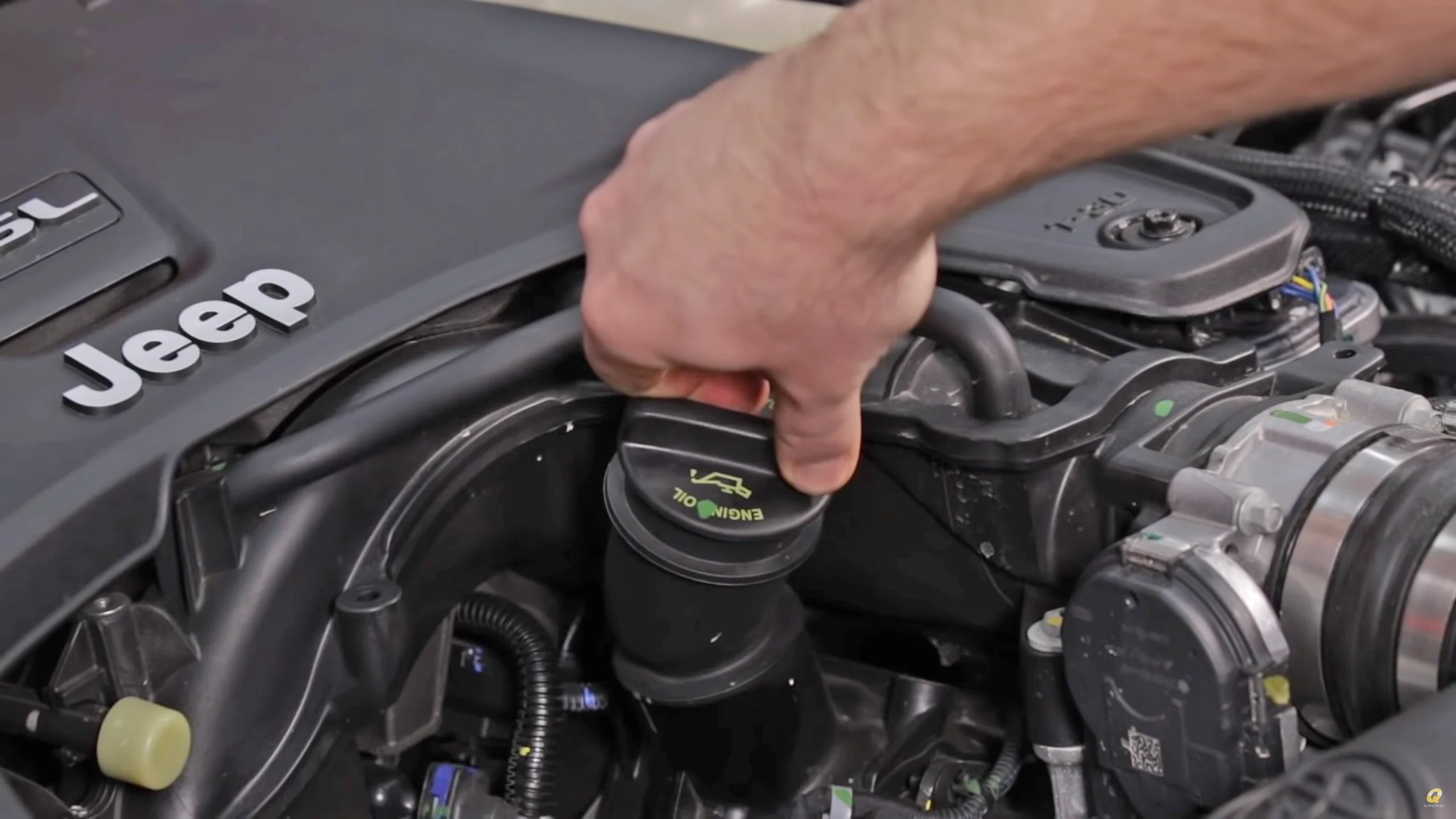
Image source: Bing (Web (fair-use with source credit))
Resetting Before Changing the Oil
This mistake creates false security while gradually destroying engine components. The dashboard displays one hundred percent oil life immediately after reset, suggesting everything operates normally. Your engine actually runs on degraded lubricant with elevated contaminants and reduced protective additives.
Wear particles accumulate in old oil and circulate through critical bearing surfaces. Camshaft lobes, lifter bodies, and piston ring lands experience increased friction without adequate fluid film protection. The visible warning light disappears, but invisible damage continues accumulating mile after mile.
Financial consequences magnify over time. A proper oil change costs roughly eighty to one hundred twenty dollars including parts and labor. Engine rebuilds or replacements run two to five thousand dollars depending on damage severity.
The monitoring system exists specifically to prevent this cost discrepancy from occurring.
Maintain absolute discipline about performing actual maintenance before any reset. Verify fresh oil on the dipstick, confirm filter installation, and check for leaks before touching reset procedures. The light should always reflect genuine maintenance status, never desired dashboard appearance.
Incorrect Key-Cycle Timing or Button Hold
The manual reset demands precise timing that eludes many first-time performers. Holding the trip button too briefly fails to trigger menu entry mode. Releasing pressure during critical moments interrupts command registration.
Turning the key past accessory position into crank mode breaks the required sequence entirely.
Some owners rush through steps performed slowly by experienced technicians. The instrument cluster needs adequate time to register each input and process reset commands properly. Three-second holds become one-second taps during rushed attempts, producing inconsistent results.
Electrical systems require stable voltage during communication sequences. Weak batteries cause intermittent module responses that appear as reset failures. If headlights dim noticeably during cranking, battery condition may interfere with proper command processing rather than the reset procedure itself being flawed.
Practice the sequence slowly on a known-good vehicle before attempting on your Renegade. Muscle memory develops through deliberate repetition. Once you internalize correct timing, success rates improve dramatically regardless of trim level or software version.
Using Incompatible Scan Tools
Discount code readers frequently advertise broad vehicle compatibility while lacking manufacturer-specific functions. These entry-level tools retrieve emission codes but cannot send maintenance reset commands to Chrysler modules. Paying thirty dollars for equipment incapable of your desired function wastes money and creates frustration.
Product descriptions using vague language like “works with most domestic vehicles” rarely include Jeep systems. Manufacturers explicitly list compatible vehicle families in detailed specification tables. Ambiguous marketing copy should trigger skepticism rather than confidence.
Software currency matters significantly for scanner effectiveness. Older tool firmware may not recognize newer model year variations or updated module communication protocols. Verify your scanner includes current software before purchasing or attempting resets.
Many manufacturers offer free updates through their websites.
Invest in tools from established diagnostic equipment manufacturers rather than generic alternatives. Brands investing in Chrysler protocol development produce more reliable results than companies focusing solely on emission code reading. The additional cost proves worthwhile through consistent functionality.
Ignoring Warning Lights That Indicate Real Problems
A persistent oil life warning after proper reset attempts may signal underlying electrical issues rather than simple reminder logic problems. Faulty oil level sensors, failing gauge clusters, or communication bus errors produce incorrect percentage displays that no reset procedure can permanently correct.
Additional warning lights appearing alongside the oil message deserve immediate professional investigation. Combustion anomalies, overheating conditions, or lubrication pressure problems trigger separate alerts indicating genuine mechanical concerns. Do not dismiss combined warning signals as routine maintenance reminders requiring simple clearing.
The monitoring system occasionally generates false positives due to software glitches documented in Jeep technical service bulletins. Official service documentation helps distinguish between genuine problems and electronic quirks requiring programming updates rather than hardware replacement.
Document all warning light behavior including when symptoms appear, how long they persist, and any conditions triggering recurrence. This information proves invaluable during professional diagnostics and helps technicians target investigation efficiently rather than performing exhaustive system checks.
Cost Breakdown: Tools, Time, and When to Pay a Pro
DIY Scanner Prices and Features Explained
Entry-level OBDII readers featuring basic code retrieval capabilities range from twenty to sixty dollars at auto parts retailers. These basic tools display stored diagnostic trouble codes and monitor readiness status for emissions testing. They cannot perform manufacturer-specific maintenance resets despite their widespread availability.
Mid-range scanners priced one hundred to two hundred dollars typically include bidirectional control capabilities necessary for Jeep functions. These tools communicate directly with Powertrain Control Modules and execute service reset commands across multiple systems. Product specifications should explicitly mention Chrysler, Dodge, or Jeep compatibility before purchase.
Professional-grade diagnostic equipment costs three hundred to eight hundred dollars depending on features and brand reputation. These machines offer extensive system coverage, coding capabilities, and regular software update subscriptions. Individual owners rarely justify this investment for occasional maintenance tasks unless managing multiple vehicles professionally.
Dealership Versus Independent Shop Pricing Structures
Dealership service departments charge labor rates reflecting facility overhead, specialized training requirements, and manufacturer certification standards. Expect fifty to one hundred dollars for oil life reset services performed during scheduled appointments. These fees often disappear into broader maintenance packages combining oil changes, inspections, and fluid top-offs.
Independent repair shops typically charge thirty to seventy-five dollars for comparable services. Regional variation affects pricing significantly, with urban areas commanding higher rates than rural locations. Shop reputation and technician expertise sometimes justify premium pricing within the independent sector.
Mobile mechanic services offering on-site oil changes frequently include reset functions within quoted service rates. Confirm pricing transparency upfront before scheduling appointments. Unexpected add-on charges create frustration similar to discovering hidden fees after service completion.
Time Investment Calculations
Manual reset procedures consume approximately three minutes once you understand the sequence properly. Setup time includes parking securely, verifying maintenance completion, and positioning yourself for comfortable button access. Total time investment rarely exceeds ten minutes including verification steps.
Scanner methods add five to ten minutes for equipment setup, vehicle connection, menu navigation, and command execution. Troubleshooting communication issues or software compatibility problems extends timelines unpredictably. Factor in potential learning curves if operating scanner equipment for the first time.
Professional service appointments introduce scheduling delays beyond actual work duration. Waiting room time, appointment availability constraints, and potential follow-up visits increase total time commitment substantially. DIY methods eliminate these logistical complications entirely.
When Professional Services Make Financial Sense
Repeated failed reset attempts consuming multiple hours represent hidden costs exceeding professional service fees. Each unsuccessful attempt erodes confidence and increases likelihood of compounding errors through fatigue-induced mistakes. Recognizing when to stop DIY efforts demonstrates practical wisdom rather than stubbornness.
Complex electrical problems involving instrument clusters or communication networks require specialized diagnostic equipment most owners lack. Attempting advanced troubleshooting without proper tools risks misdiagnosis and unnecessary part replacement expenses. Professional shop visits become economically rational when problems exceed available skill and equipment scope.
Vehicle resale value considerations sometimes justify professional documentation of all maintenance activities performed throughout ownership. Service records from certified technicians carry substantially more weight with prospective buyers compared to self-reported DIY work alone. Consider this intangible benefit when evaluating total costs versus benefits of professional services for complex issues.
Pro Tips from Jeep Technicians
Verification Before Action Protocols
Technicians emphasize verifying actual maintenance completion before attempting any reset procedure. A reset performed without fresh oil creates dangerous operating conditions while displaying perfect dashboard numbers. Make visual oil level confirmation and filter inspection mandatory steps preceding all reset attempts.
Document service details immediately upon completion rather than relying on memory for future reference. Record date, mileage, oil viscosity grade, filter part number, and any observations about oil condition or engine operation. These details prove valuable during warranty claims, resale negotiations, or troubleshooting sessions months or years later.
Establish consistent maintenance tracking systems accommodating your personal organization preferences. Digital spreadsheets, phone applications, or physical notebooks all serve equally well when maintained regularly. The specific format matters less than consistent record-keeping practice.
Product Specification Adherence
Factory-recommended SAE 5W-20 full synthetic oil matches engineering specifications for the 2.4-liter Pentastar engine. Thicker viscosity grades impair cold-start circulation reducing protection during critical warm-up periods. Thinner formulations compromise film strength under high-load operating conditions potentially accelerating wear.
OEM-specification oil filters provide filtration efficiency matching engine design requirements. Cheap aftermarket alternatives frequently bypass inadequate filtration allowing contaminants to circulate freely through sensitive bearing surfaces. Mopar branded filters or equivalent OEM-spec products ensure proper protection matching original equipment performance.
Oil capacity specifications matter significantly for proper operation. The 2015 Renegade requires approximately five quarts including filter replacement. Overfilling causes aeration and foaming reducing lubrication effectiveness.
Underfilling starves critical components of adequate fluid volume during operation.
Long-Term Monitoring Discipline
Regular percentage monitoring during weekly fuel stops builds awareness of normal degradation patterns for your specific driving routine. Notice how seasonal transitions, trip lengths, and terrain types affect countdown rates. Abnormal acceleration in percentage decline often indicates developing mechanical problems worth investigating early.
Adjust maintenance intervals proactively based on observed patterns rather than blindly following system recommendations. Aggressive driving in harsh conditions may warrant earlier resets despite displayed percentages suggesting adequate remaining life. Gentle highway commuting might safely extend intervals slightly beyond standard guidelines.
Never allow the reminder system to become background noise requiring complete dismissal. Active engagement with monitoring information transforms passive warning reception into proactive maintenance decision-making. Your vehicle rewards attentive owners with extended service life and reduced repair expenses.
Critical Safety and Compliance Warnings
Maintenance Substitution Risks
Clearing warning lights without performing indicated maintenance represents the single most dangerous practice owners can adopt. The monitoring system exists to prevent catastrophic engine damage from neglected lubrication. Bypassing that protection through premature resetting eliminates your primary safeguard against accelerated component wear.
Engines operating on degraded lubricant experience increased friction generating excessive heat buildup. Bearing surfaces lose protective fluid films allowing metal-to-metal contact under extreme pressure conditions. Camshaft profiles, lifter bodies, and valve train components suffer particularly severe damage from inadequate lubrication protection.
Financial consequences of skipped maintenance dwarf any temporary inconvenience caused by warning illumination. A hundred-dollar oil change prevents thousands in potential repair costs stemming from neglect-related failures. View monitoring reminders as valuable protective systems rather than annoying obligations requiring elimination.
Warranty Coverage Implications
Extended oil change intervals beyond manufacturer recommendations often void powertrain warranty coverage in practice. Warranty terms explicitly reference adherence to scheduled maintenance as fundamental coverage conditions. Documented neglect provides manufacturers legal grounds denying warranty claims for related failures.
Intentional tampering with emission monitoring systems violates federal regulations governing vehicle modifications. While oil life reminders technically fall outside direct EPA emissions control categories, deliberately misleading maintenance indicators raises ethical questions about transaction honesty. Potential buyers discovering manipulated records lose confidence in seller transparency completely.
Disclosure requirements in many jurisdictions mandate accurate representation of vehicle condition and service history. Deliberate deception through reminder manipulation creates legal exposure beyond simple bad faith concerns. Maintain honest documentation reflecting actual maintenance performed rather than cosmetic dashboard appearances alone.
Emissions and Legal Considerations
State inspection programs increasingly incorporate maintenance verification into overall emissions testing protocols. Some jurisdictions require proof of recent oil changes as part of vehicle readiness assessment determining inspection passage. Clearing warning lights without corresponding maintenance documentation creates compliance gaps during mandatory inspection visits.
Commercial vehicle operators face stricter regulatory scrutiny regarding maintenance record accuracy requirements. Fleet management policies often mandate specific documentation standards personalized reminder systems cannot satisfy without proper record-keeping practices supporting actual service performance.
Federal consumer protection laws prohibit deceptive practices in vehicle sales and service transactions broadly. Intentionally misleading maintenance indicators could theoretically violate these protections if discovered during transaction disputes or regulatory investigations. Honest documentation protects all parties involved in vehicle ownership transfers effectively.
FAQs About Reset Jeep Renegade Oil Change Light
How often should I check my oil life percentage?
Check your oil life percentage during every refueling stop or at minimum once weekly. Regular monitoring helps you recognize abnormal countdown rates that might indicate engine problems developing ahead of schedule. The percentage should decrease gradually based on your driving patterns rather than dropping suddenly without explanation.
Sudden drops often signal oil consumption issues, leaks, or sensor malfunctions worth investigating promptly.
Can I reset the light without changing the oil?
No. Resetting without changing the oil defeats the monitoring system’s protective purpose and risks severe engine damage from running on degraded lubricant. Always perform the complete oil and filter replacement before attempting any reset procedure, regardless of which method you choose or how annoying the warning appears.
The dashboard should always reflect actual maintenance status, never desired appearance alone.
What if my Renegade has a touchscreen instead of buttons?
Limited and Overland trims with touchscreen interfaces may require a scan tool for reliable resets because the menu path sometimes fails due to software quirks. A bidirectional scanner communicates directly with the Powertrain Control Module and bypasses display interface variability entirely. This direct communication eliminates ambiguity about whether commands reached their destination successfully.
Does resetting the light affect my vehicle’s warranty?
Proper resets performed after legitimate maintenance do not affect warranty coverage under normal circumstances. However, clearing the light without actually changing oil constitutes maintenance neglect that could void powertrain warranty claims if engine damage results from delayed service. Document all maintenance activities thoroughly to protect your coverage eligibility regardless of reset method used.
Why does the light come back on after I reset it?
Immediate recurrence usually indicates either an incomplete reset sequence or an underlying sensor or communication problem requiring professional diagnosis. Try the manual method again ensuring each step receives adequate duration and proper timing throughout the ignition cycle. If recurrence persists after multiple correct attempts, consult a qualified technician for diagnostic evaluation rather than continuing repeated attempts.
Are there any aftermarket tools that work reliably?
Yes. Scanner tools from reputable brands like Autel, Launch, and Ancel reliably perform Jeep oil life resets when properly configured and kept current with software updates. Verify your specific tool model supports Chrysler family vehicles explicitly before purchasing to avoid incompatible equipment waste.
Cheap unbranded readers often lack the necessary bidirectional capabilities for manufacturer-specific functions.
What should I do if the reset keeps failing?
Stop attempting repeated resets and investigate possible underlying causes including weak battery voltage, faulty dashboard displays, or communication bus problems. Professional diagnostics identify these issues using specialized equipment most individual owners cannot access through consumer-grade tools. Have a qualified technician perform troubleshooting when basic procedures produce consistent failures across multiple careful attempts.
Can I ignore the light if I change oil early?
No. Ignoring the warning without performing the indicated maintenance creates dangerous operating conditions that the monitoring system was designed to prevent. If you changed oil earlier than recommended, you should still reset the monitor to reflect current conditions accurately and begin a fresh calculation cycle.
The system deserves truthful input to function properly and protect your engine appropriately.
Final Recommendation: Your Decision Guide
Quick Checklist for Each Reset Path
Follow this checklist before attempting any reset to ensure correctness and safety. The oil change must be completely finished with fresh fluid verified on the dipstick. The correct oil type and quantity must match manufacturer specifications precisely.
The engine should reach normal operating temperature before initiating the reset sequence.
Choose the manual method first if you own a Sport or Longitude trim with basic Multi-Function Display controls. Switch to a scanner if manual attempts fail or you drive a Limited or Overland with unreliable touchscreen responses. Most owners complete their first reset successfully using whichever path they attempt with proper preparation and attention.
Document your reset date and mileage immediately after success to establish a verifiable maintenance record. Record any unusual symptoms observed during the procedure for future reference during troubleshooting sessions. These notes help identify patterns across multiple service intervals and support warranty claims if needed later.
When to Stop DIY and Seek Professional Help
Stop your DIY efforts when you complete three successful manual reset attempts without achieving a stable one hundred percent reading. Professional diagnostics identify communication faults, sensor failures, or module programming issues that individual owners cannot resolve with basic equipment and patience alone. Continuing repeated attempts beyond reasonable failure points wastes time and risks compounding errors through fatigue.
Seek help promptly when your scanner reports persistent diagnostic trouble codes unrelated to the reset function itself. These codes indicate problems requiring specialized equipment and training to address properly rather than additional reset attempts. Attempting complex electrical repairs without appropriate expertise risks creating additional problems alongside existing ones already present.
Vehicle resale value considerations sometimes justify professional documentation of all maintenance activities performed throughout ownership. Service records from certified technicians carry substantially more weight with prospective buyers compared to self-reported DIY work alone. Consider this intangible benefit when evaluating total costs versus benefits of professional services for complex issues.
Long-Term Habits to Keep the Monitor Accurate
Build consistent maintenance habits that support accurate monitoring system performance throughout your ownership period. Change oil and filter at recommended intervals using specified products meeting manufacturer standards consistently. Monitor oil level weekly between changes using the dipstick to catch consumption issues before they become serious problems.
Address any unusual engine sounds, symptoms, or warning messages immediately rather than postponing investigation indefinitely. Seasonal transitions, vacation trips involving heavy towing, and extended idling periods all influence actual oil life compared to system estimates displayed on your dashboard. Adjust your expectations based on observed patterns rather than blindly trusting displayed percentages without context.
Stay informed about technical service bulletins and recall notices affecting your specific model year and production range. Jeep occasionally issues updates addressing known monitoring system quirks that improve accuracy and reliability across affected vehicles. Keeping your vehicle’s software current ensures the Oil Life Monitor performs exactly as engineered by the original designers.
Protecting your Renegade’s interior during routine maintenance sessions deserves equal attention alongside mechanical care. Quality floor mat solutions like the best all-season mats for your Renegade keep cabin surfaces clean while you work under the hood or perform other DIY maintenance tasks around the vehicle.
Maintain honest records that reflect actual maintenance performed rather than cosmetic dashboard appearances manipulated for temporary satisfaction. Future buyers and inspectors value authenticity over fabricated cleanliness masking neglected maintenance schedules. Complete service logs demonstrating responsible ownership strengthen resale positioning significantly.
Your 2015 Jeep Renegade’s Oil Life Monitoring System provides genuine protection when paired with honest maintenance practices and proper reset techniques. Choose the method matching your trim, tools, and comfort level. Perform actual oil changes before clearing reminders.
Document everything carefully. Follow these principles consistently and your Renegade rewards you with reliable operation and extended engine life.