
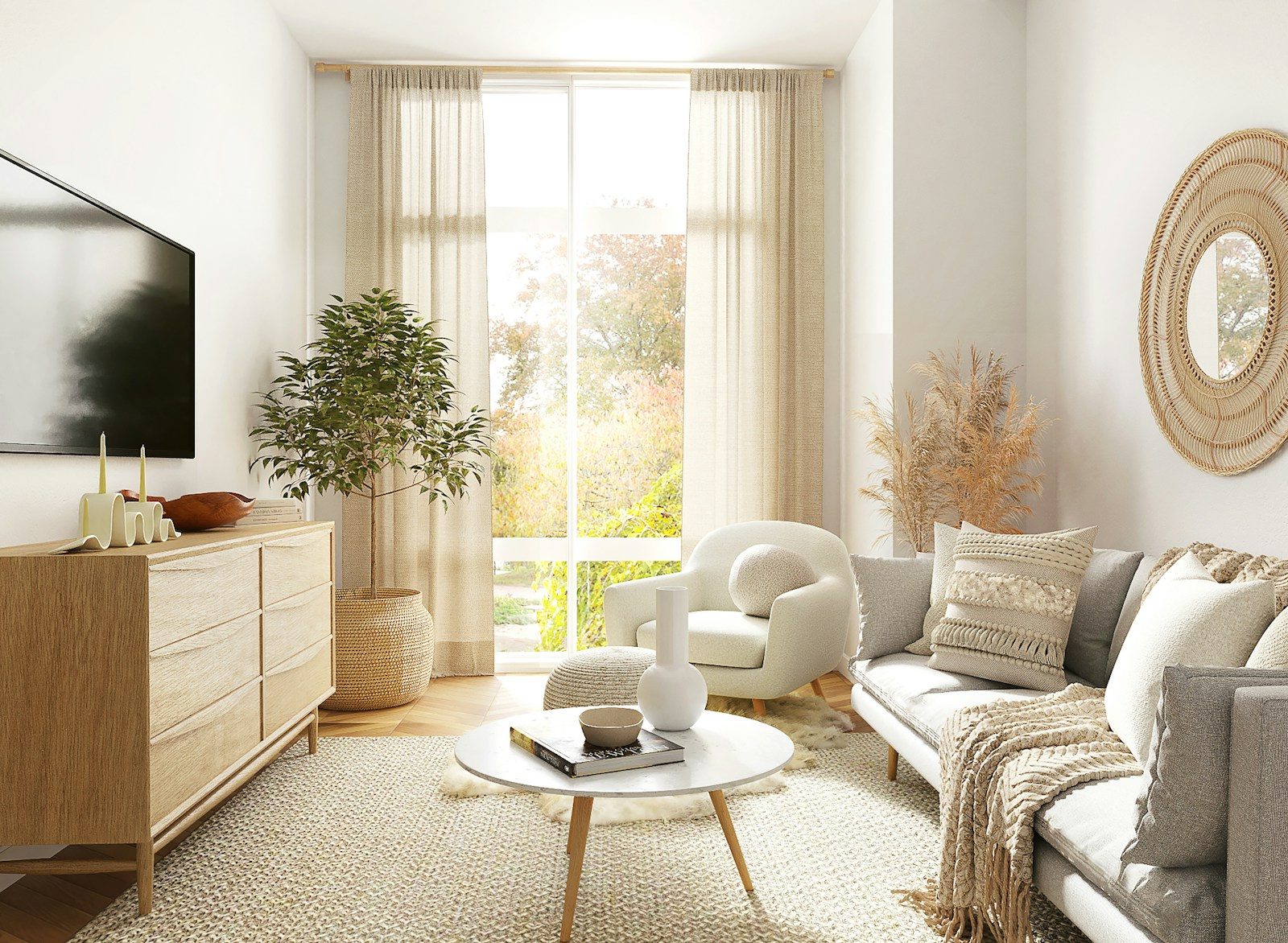
Arrange furniture in a small living room by prioritizing functionality, choosing space-saving pieces, and keeping pathways clear. Use multi-purpose furniture, place larger items against walls, and create a balanced layout that maximizes both comfort and open space.
A small living room often presents a unique decorating puzzle. It’s a space where every inch counts, and the wrong furniture choices or placement can quickly lead to a cramped, uninviting atmosphere. However, with thoughtful planning and strategic design principles, even the most compact living areas can be transformed into functional, stylish, and comfortable havens.
The key lies not in sacrificing style, but in maximizing potential through clever arrangement and smart furniture selections. This guide will walk you through the essential steps and expert tips to arrange furniture in your small living room, making it feel more spacious, welcoming, and perfectly suited to your lifestyle.
The Unique Challenges of a Small Living Room
Before diving into solutions, it’s helpful to acknowledge the common hurdles small living rooms pose. Typically, these spaces struggle with:
- Lack of Floor Space: The most obvious challenge, limiting the size and quantity of furniture.
- Poor Flow and Pathways: Large pieces or cluttered layouts can impede movement, making the room feel awkward and inefficient.
- Feeling Overwhelmed: Too much furniture, too many colors, or bulky items can create a sense of being boxed in.
- Limited Storage Options: Small rooms often lack built-in storage, necessitating creative solutions.
- Natural Light Obstruction: Improper placement can block windows, reducing natural light and making the room darker and smaller.
Overcoming these challenges isn’t about magical expansion, but about intelligent design that optimizes existing space and light, creating an illusion of grandeur and an experience of ease.
The Golden Rules for Small Space Furniture Arrangement
Successful small space design begins with a foundational understanding of key principles. These “golden rules” will guide your choices and ensure your living room functions beautifully.
Rule #1: Prioritize Function Over Form (Initially)
Before you fall in love with a beautiful armchair, consider what activities your living room primarily serves. Is it mainly for:
- TV watching? You’ll need comfortable seating and a good viewing angle.
- Entertaining guests? Adaptable seating and clear pathways are crucial.
- Reading or relaxing? A cozy nook with good lighting might be your focus.
- Occasional work? A discreet desk or a multi-functional surface could be beneficial.
List your essential activities and the minimum furniture required to support them. For instance, if TV watching and occasional guest seating are key, an apartment-sized sofa and a couple of lightweight poufs might be more effective than a sprawling sectional. This prioritization helps prevent over-stuffing the room with unnecessary items.
Rule #2: Measure, Measure, Measure
This rule cannot be overstated. You need to know the exact dimensions of your living room and every piece of furniture you plan to introduce.
- Measure your room: Length, width, and ceiling height. Note locations of windows, doors, outlets, and radiators.
- Create a floor plan: Sketch your room on graph paper or use an online tool, drawing furniture to scale.
- Measure furniture: Dimensions of length, width, and height are critical, especially arm height and depth.
- Visualize: Use painter’s tape on your floor to outline where furniture will sit. This helps visualize pathways and how much space each piece truly occupies. You might be surprised how a seemingly compact sofa looks in your actual room.
Accurate measurements prevent costly mistakes and ensure a comfortable fit.
Rule #3: Embrace Multipurpose Furniture
In a small living room, every piece of furniture should ideally earn its keep. Multipurpose items are your best friends.
- Storage Ottomans/Benches: Provide extra seating, a footrest, and hidden storage for blankets, remotes, or magazines.
- Sofa Beds/Daybeds: Offer flexible seating and an extra sleeping solution for guests without needing a dedicated guest room.
- Nesting Tables: A set of tables that tuck neatly into each other can be pulled out for various uses (drinks, snacks) and then condensed to save space.
- Console Tables with Drawers/Shelves: Can serve as an entry table, media console, or even a small desk, all while offering storage.
- Bookshelves with Desks: Some bookcases integrate a pull-down or slide-out desk surface, perfect for small work-from-home setups.
These pieces help maximize utility without cluttering your space with numerous single-function items.
Rule #4: Think Vertically
When floor space is limited, look up! Vertical space is often underutilized and offers significant storage and display opportunities.
- Wall-Mounted Shelves: Open shelving can store books, decorative items, or even act as a display for art without taking up floor space.
- Tall, Slim Bookcases: Instead of wide, sprawling units, opt for tall, narrow bookcases that draw the eye upwards and provide ample storage.
- Floating Desks or Media Consoles: Mounting furniture to the wall frees up floor space, making the room feel more open and easier to clean.
- Art and Mirrors: Hang artwork and mirrors strategically to draw the eye up and reflect light, enhancing the perception of height and depth. A large mirror can almost double the perceived size of a room.
Utilizing walls effectively helps keep the floor clear and the room feeling airy.
Rule #5: Maintain Clear Pathways
Good flow is paramount in any room, but especially in a small one. You should be able to move freely and comfortably between furniture pieces without bumping into things.
- Minimum Clearances:
- Allow at least 18 inches between your sofa and coffee table.
- Ensure 24-30 inches for major pathways, like walking from a doorway to a chair.
- Leave enough space to open doors and drawers completely.
- Traffic Flow: Identify the natural pathways people will take through the room (e.g., from the door to the window, or to another room). Arrange furniture to facilitate these paths, not obstruct them.
- Avoid Dead Ends: Try not to place large pieces of furniture in a way that creates a bottleneck or forces awkward detours.
A well-planned layout ensures effortless movement, contributing significantly to a feeling of spaciousness and calm.
Strategic Placement: Optimizing Your Key Pieces
Once you understand the golden rules, it’s time to apply them to your furniture choices and arrangement.
The Sofa/Seating Arrangement
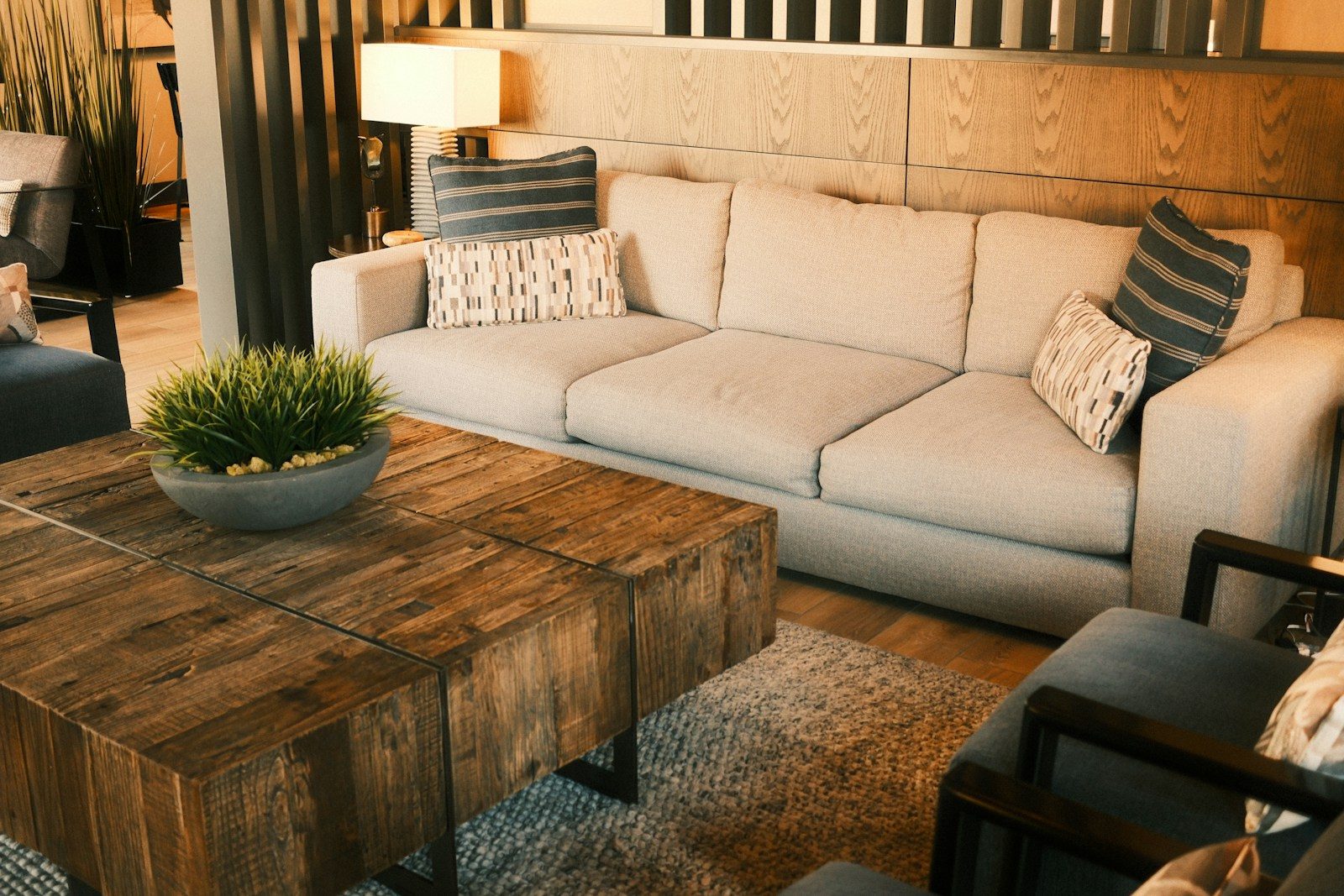
Your sofa is typically the largest piece in a living room, so its placement is critical.
- Choose the Right Size: An “apartment sofa,” loveseat, or even an armless sofa (like a settee) is often a better fit than a sprawling three-seater or a traditional sectional. Look for slim profiles and exposed legs to create visual lightness.
- Against the Longest Wall: Often the most intuitive and space-saving placement, providing a clear focal point and leaving other walls free for circulation.
- Floating the Sofa (Carefully): If your room is very narrow, or if you need to define zones in an open-concept space, floating a smaller sofa (placing it away from walls) can work. If doing so, ensure there’s still ample space behind it for a pathway or a slim console table.
- Consider Individual Chairs: Instead of one large sofa, two smaller armchairs or a loveseat paired with a single accent chair can offer more flexibility in arrangement and make the room feel less bulky. Swivel chairs are excellent for adaptability.
Example: Instead of a bulky 8-foot sofa, opt for a 6-foot apartment sofa and two compact club chairs. This arrangement offers similar seating capacity but can be much more flexibly arranged to create better flow.
Coffee Tables and Side Tables

These auxiliary pieces can quickly overwhelm a small room if chosen incorrectly.
- Go Small and Light: A large, solid coffee table will dominate. Opt for smaller, lighter designs like a glass-top table (visually disappears), a transparent acrylic table, or a wire-frame model.
- Nesting Tables: As mentioned, these are incredibly versatile.
- C-Tables: These tables can slide over the arm of a sofa or chair, acting as a convenient surface without taking up floor space when not in use.
- Wall-Mounted Shelves: Small, floating shelves can serve as side tables next to seating, keeping the floor clear.
- Storage Ottomans: A large storage ottoman can double as a coffee table if you place a tray on top.
Example: Replace a heavy wooden coffee table with a round, glass-topped table and use slim C-tables instead of bulky end tables.
Media Consoles and Storage
TVs and media components can add clutter if not managed well.
- Wall-Mounted TV: Mounting your television on the wall is a game-changer for freeing up surface space on a media console.
- Slim Media Consoles: Choose consoles that are narrow in depth and offer closed storage to hide electronics, cables, and other items.
- Floating Shelves: Above or around a wall-mounted TV, floating shelves can provide display space without additional floor furniture.
- Built-in Look: If possible, consider custom built-ins that frame the TV and offer integrated storage, making the most of a specific wall.
Example: Instead of a wide entertainment center, opt for a wall-mounted TV above a slim, low-profile media console with drawers, flanked by two tall, narrow bookcases.
Rugs and Lighting
These elements define the room’s ambiance and can influence the perception of space.
- Rugs: A rug can define a seating area and add warmth.
- Size Matters: Don’t choose a rug that’s too small, as it will make the room feel chopped up. Ideally, the front two legs of your main seating furniture (sofa, chairs) should rest on the rug.
- Pattern and Color: Lighter colors or subtle patterns can make the room feel more expansive than a dark, busy rug.
- Lighting: Layered lighting is key to a functional and inviting space.
- Ambient Light: General overhead light (recessed lighting or a flush-mount fixture).
- Task Lighting: Lamps for reading (e.g., a slim floor lamp next to an armchair, a table lamp on a side table).
- Accent Lighting: Wall sconces or dimmable lamps to highlight art or create mood.
- Slim Profiles: Choose floor lamps with slender bases and small footprints. Wall-mounted sconces save floor space entirely.
Example: A large-enough rug anchors your sofa and chairs, while a slim arc floor lamp provides task lighting without needing an end table.
Smart Furniture Choices for Small Spaces
Beyond placement, the actual furniture you select plays a huge role in the success of a small living room.
Scale and Proportion
This is perhaps the most crucial design principle for small spaces.
- Avoid Oversized Furniture: A massive sofa or armchair will devour your room. Choose pieces that are appropriately scaled for the room’s dimensions.
- Exposed Legs: Furniture with exposed legs (sofas, chairs, tables) allows light to pass underneath and creates a sense of openness, making the room feel less dense and heavy.
- Slim Arms and Profiles: Sofas and chairs with thin arms and backs take up less visual and physical space than those with thick, plush designs. Armless chairs are excellent for fitting into tight corners or acting as extra seating.
Color and Material
The visual characteristics of your furniture can significantly impact how large or small a room feels.
- Light Colors: Using lighter colors for large pieces like your sofa or accent chairs, as well as for walls, can make the room feel brighter and more expansive by reflecting light.
- Mirrors: As mentioned, a large mirror strategically placed can reflect light and views, effectively doubling the perceived size of the room. Place it opposite a window for maximum effect.
- Transparent Materials: Furniture made of glass, acrylic, or Lucite visually disappears, making the room feel more open. Think glass coffee tables or clear acrylic chairs.
- Open-Frame Furniture: Pieces with open metal or wooden frames (e.g., a wire-frame armchair or an open shelving unit) have a lighter visual weight than solid pieces.
Storage Solutions
Effective storage is your secret weapon against clutter, which can quickly shrink a small room.
- Closed Storage: Whenever possible, opt for closed storage (cabinets, drawers) to hide items and maintain a tidy, streamlined look.
- Built-ins: If your budget allows, custom built-in shelving or cabinetry can make the most of awkward nooks and blend seamlessly into the architecture.
- Wall-Mounted Storage: Floating shelves, wall cabinets, and pegboards save floor space.
- Behind-the-Sofa Console: A narrow console table behind a sofa can provide a surface for lamps, books, or a charging station, often with built-in drawers.
- Declutter Regularly: The most effective storage solution is to have less stuff. Regularly decluttering helps maintain order and prevents your small living room from feeling overwhelmed.
Creating Flow and Zone Definition
In an open-concept layout or a studio apartment, your living room might need to share space with other functions. Thoughtful arrangement can create distinct zones without walls.
Anchoring with a Rug
A rug can visually ground your seating area, making it feel like its own defined zone within a larger space. Ensure the rug is appropriately sized, as discussed earlier, to truly anchor the furniture.
Using Furniture to Define Zones
- Floating Sofa: Placing a sofa with its back to another area (e.g., a dining nook or entryway) can act as a soft room divider, creating a distinct living room zone.
- Console Table: A slim console table placed behind a floating sofa can further enhance the division while providing a useful surface.
- Bookcases as Dividers: An open-back bookcase can divide a space while still allowing light to pass through.
The Importance of Negative Space
Don’t feel compelled to fill every corner. Negative space (empty areas) is just as important as occupied space. It allows the eye to rest and prevents the room from feeling cramped and cluttered. Strategic negative space makes your carefully chosen furniture stand out and the room feel intentional.
Common Pitfalls to Avoid
Even with the best intentions, it’s easy to make mistakes that undermine your small living room’s potential.
- Over-stuffing the Room: The biggest culprit. Too many pieces, even small ones, can make a room feel smaller than it is.
- Blocking Natural Light: Avoid placing large furniture in front of windows. Natural light is precious for making small spaces feel larger and more inviting.
- Ignoring Vertical Space: Forgetting to utilize walls and high spaces for storage and decor.
- Buying Without Measuring: Guessing sizes leads to ill-fitting furniture and wasted money.
- Poor Lighting: A dimly lit small room will always feel more enclosed. Ensure you have ample and varied light sources.
Conclusion: Arrange Furniture in a Small Living Room
Arranging furniture in a small living room is an exercise in creativity, precision, and mindful selection. By embracing multipurpose pieces, thinking vertically, choosing appropriately scaled furniture, and maintaining clear pathways, you can transform a cramped space into a functional and stylish sanctuary. Remember to measure meticulously, prioritize your activities, and don’t be afraid to experiment with layouts. With these strategies, your small living room won’t just look larger; it will feel perfectly curated for your life, proving that great design truly can thrive in any size.

“I believe your home should tell your story, not your bank account statement.”
Hi, I’m Benjamin Harrison. I grew up in a small town in Ohio, helping my dad refinish old furniture in the garage, and that’s where my love for home decor began. After years of working as a set designer, I realized my real passion was helping everyday people fall in love with their homes again. Here on my blog, I share easy DIY projects, budget-friendly room makeovers, and tips on how to find hidden gems at thrift stores. When I’m not rearranging my own living room for the tenth time, I’m probably drinking coffee on my porch in Charleston with my wife and our golden retriever.