The Jeep brand has long been synonymous with rugged adventure, off-road capability, and a unique sense of freedom that few other vehicles can match. From the iconic Wrangler to the versatile Grand Cherokee, these vehicles are built to conquer trails and handle harsh conditions. However, even the most durable machines have their weak points, and Jeep owners often find themselves facing a specific set of recurring mechanical and electrical problems that can turn an exciting drive into a frustrating ordeal.
Understanding these common issues is not just about saving money on repairs; it is about preserving the reliability and safety of your vehicle. Whether you are a daily commuter or a weekend trailblazer, knowing what to look for and how to address these problems can extend the life of your Jeep and keep you on the road. This guide will walk you through the five most frequent trouble areas reported by Jeep drivers in 2026, offering practical troubleshooting steps and actionable advice to help you stay ahead of the curve.
The Infamous Death Wobble: Steering and Suspension Instability
The "Death Wobble" is arguably the most notorious issue associated with Jeep Wranglers and some heavy-duty models. It manifests as a violent, rapid shaking of the front end, typically triggered by hitting a bump or pothole at highway speeds. This is not a minor vibration; it is a severe oscillation that can make the steering wheel nearly impossible to hold and can feel as though the front axle is about toach from the vehicle. The primary cause is a worn or loose component in the front suspension and steering linkage, most commonly the track bar, ball joints, or tie rod ends.
Diagnosing the Death Wobble requires a systematic inspection of the front end. Start by checking the track bar bushings and bolts, as even a millimeter of play can initiate the wobble. Next, inspect the ball joints for excessive wear by jacking up the front axle and checking for vertical and horizontal movement. Worn steering stabilizers are often blamed, but they are usually a symptom, not the root cause. Replacing a stabilizer without fixing the underlying loose component will only mask the problem temporarily.
To prevent the Death Wobble, adopt a proactive maintenance schedule. After every major off-road trip, inspect your suspension components for damage or looseness. Consider upgrading to heavy-duty aftermarket parts like a forged track bar or high-angle ball joints if you frequently drive on rough terrain. If you experience the wobble, safely reduce speed immediately and avoid sudden braking. A proper alignment and tire balance check should also be performed, as out-of-balance tires can exacerbate existing wear in the steering system.
Electrical Gremlins: TIPM Failures and Sensor Malfunctions
The Totally Integrated Power Module (TIPM) is a central electrical hub in many Jeep models, including the Grand Cherokee, Liberty, and Wrangler from the mid-2000s to the early 2010s. Unfortunately, it is also a common source of electrical headaches. Symptoms include the fuel pump not priming, the engine cranking but not starting, intermittent wiper operation, or the horn sounding randomly. The TIPM contains internal relays that can fail due to heat, moisture, or manufacturing defects, leading to erratic power distribution to critical systems.
Diagnosing a TIPM issue can be tricky because the symptoms often mimic other problems. Before replacing the module, check the battery terminals and ground connections for corrosion, as poor grounds can cause similar electrical chaos. If the battery and grounds are clean, you can test individual circuits using a multimeter. Some owners have found success by having their TIPM rebuilt by a specialized service, which replaces the faulty internal relays at a fraction of the cost of a new OEM module.
Modern Jeeps (2014 and newer) are more prone to sensor failures, particularly the crankshaft position sensor and the throttle position sensor. A failing crankshaft sensor will cause stalling, rough idling, or a no-start condition. The throttle position sensor can trigger a check engine light and cause hesitation during acceleration. The best defense is to keep a basic OBD-II scanner in your glove box. When a check engine light appears, scan the code immediately. Many auto parts stores will read the code for free, allowing you to order the correct sensor and replace it yourself with basic hand tools.
Cooling System Woes: Overheating and Leaks
Jeep engines, particularly the 3.6L Pentastar V6 and the older 4.0L inline-six, are known for running hot, especially when crawling at low speeds off-road or towing heavy loads. Overheating is a serious issue that can warp cylinder heads and blow head gaskets. Common culprits include a failing water pump, a clogged radiator, a stuck thermostat, or a faulty cooling fan. The 3.6L engine is especially notorious for the water pump bearing failing prematurely, often leaking coolant from a small weep hole before catastrophic failure.
Troubleshooting an overheating Jeep starts with the basics. Check the coolant level in the overflow tank and radiator when the engine is cold. Look for white or pink crusty residue around the water pump, hoses, and radiator, which indicates a leak. If the coolant level is fine, test the thermostat by feeling the upper radiator hose; it should get hot suddenly when the engine reaches operating temperature. If the hose stays cold, the thermostat is likely stuck closed. Also, verify that the electric cooling fans are engaging when the air conditioning is on or when the engine temperature rises above 220 degrees Fahrenheit.
Preventive maintenance is critical for the cooling system. Flush and replace the coolant every 30,000 to 50,000 miles, using the correct OAT (Organic Acid Technology) coolant specified for your model. Replace the thermostat and water pump as a pair when performing major cooling system work. For off-road enthusiasts, consider upgrading to a high-flow water pump and a larger aluminum radiator. Always carry a spare gallon of distilled water and a bottle of coolant in your recovery kit. If you see the temperature gauge climbing, turn off the air conditioning, turn on the heater to full blast, and pull over safely to let the engine cool down before investigating.
Transmission Troubles: Shifting Problems and Fluid Leaks
Automatic transmissions in Jeeps, particularly the older 42RLE and the newer 8-speed ZF units, can develop shifting issues over time. Common complaints include hard shifts between gears, delayed engagement when shifting from Park to Drive, or slipping under load. For the 42RLE transmission, a known weak point is the solenoid pack, which controls hydraulic pressure for shifting. When this fails, the transmission may get stuck in a single gear (limp mode) or shift erratically. The ZF 8-speed, while generally reliable, can suffer from mechatronic unit failures and valve body issues, often triggered by dirty or low fluid.
Diagnosing transmission problems should always start with the fluid. Check the transmission fluid level and condition using the dipstick (if equipped) or by following the manufacturer's procedure for sealed units. Fluid that smells burnt or has a dark brown color indicates overheating and internal wear. A simple fluid and filter change can sometimes resolve minor shifting issues, especially if the fluid has not been changed in over 60,000. However, if the transmission is slipping or has metal shavings in the pan, a rebuild or replacement is likely necessary.
To extend the life of your Jeep's transmission, follow the severe service maintenance schedule in your owner's manual, which typically recommends fluid changes every 30,000 to 40,000 miles if you tow or off-road. Avoid "neutral dropping" or sudden shifts from Reverse to Drive. If you own a model with the ZF 8-speed, be aware that the fluid level is critical and must be checked at a specific temperature using a scan tool. Overfilling or underfilling can cause just as many problems as low fluid. Consider installing an auxiliary transmission cooler if you frequently tow heavy loads or drive in mountainous terrain.
Rust and Corrosion: The Silent Structural Threat
Rust is the single greatest long-term threat to any Jeep, especially those driven in northern climates where road salt is used. The frames of older Wrangler TJs and XJs are notorious for rusting from the inside out, particularly in the rear control arm mounts and the frame rails near the fuel tank. Even newer models like the JK and JL Wranglers can develop rust on the body mounts, skid plates, and undercarriage components. Rust not only looks ugly but can compromise the structural integrity of the vehicle, making it unsafe for off-road use or even daily driving.
Inspecting for rust requires getting under the vehicle with a flashlight and a screwdriver. Tap on the frame rails and crossmembers; if the metal sounds dull or the screwdriver punches through, you have significant internal rust. Pay special attention to the areas where the suspension bolts to the frame, as these are high-stress points. Surface rust on the axles and differential covers is cosmetic, but flaking or bubbling paint on the frame indicates active corrosion. For unibody models like the Cherokee XJ, check the floor pans and rocker panels, as these are common rust-through areas.
Preventing rust is far easier than repairing it. If you live in a salt-belt state, invest in an annual undercoating treatment using a wax-based or oil-based product like Fluid Film or Woolwax. These products creep into seams and cavities to displace moisture. Wash the undercarriage thoroughly with a pressure washer after every winter storm, paying special attention to the frame rails and suspension components. For off-roaders, rinse off mud and dirt immediately after a trip, as mud holds moisture against the metal. If you find surface rust, treat it with a rust converter and paint it with a quality chassis paint before it becomes a structural problem.
Key Takeaways
- ✓ The Death Wobble is caused by worn suspension components like the track bar or ball joints, not just a bad steering stabilizer; inspect and tighten these parts regularly.
- ✓ Electrical issues, especially TIPM failures, can mimic other problems; always check battery grounds and use an OBD-II scanner before replacing expensive modules.
- ✓ Overheating in Jeep engines is often due to a failing water pump or thermostat; flush the cooling system every 30,000 miles carry emergency coolant.
- ✓ Transmission problems frequently stem from neglected fluid changes; follow the severe service schedule and check fluid condition and level first.
- ✓ Rust is a structural threat that requires proactive prevention with annual undercoating and immediate cleaning of mud and salt from the undercarriage.
Frequently Asked Questions
What is the most common problem with Jeep Wranglers?
The most common problem reported by Wrangler owners is the Death Wobble, a violent steering wheel shake caused by worn front suspension components. This is followed closely by electrical issues related to the TIPM in older models and water pump failures in the 3.6L Pentastar engine. Regular inspection of the steering linkage and suspension bushings is the best prevention.
How can I tell if my Jeep's TIPM is failing?
Symptoms of a failing TIPM include the fuel pump not running (engine cranks but won't start), intermittent wiper or horn operation, the radiator fan running constantly, or the vehicle stalling unexpectedly. You can test by swapping relays within the TIPM box, but a definitive diagnosis often requires a professional scan tool. Rebuilt TIPMs are a cost-effective alternative to new ones.
Is it safe to drive my Jeep with the Death Wobble?
No, it is not safe The Death Wobble can cause a complete loss of steering control, especially at highway speeds. If you experience it, reduce speed gradually without slamming on the brakes, and pull over as soon as it is safe. Do not drive the vehicle again until the worn suspension or steering components have been inspected and replaced.
Why does my Jeep Grand Cherokee overheat when idling but not on the highway?
This typically indicates a problem with the electric cooling fans. At highway speeds, airflow through the radiator is sufficient to cool the engine. When idling, the fans must pull air through the radiator. If the fan motor is dead, the relay is bad, or the temperature sensor is faulty, the fans will not engage, causing the temperature to rise. Check the fan fuses and relays first.
How often should I change the transmission fluid in my Jeep?
For normal driving conditions, Jeep recommends changing automatic transmission fluid every 60,000 to 100,000 miles. However, if you frequently tow, off-road, or drive in stop-and-go traffic, you should follow the severe service schedule and change the fluid and filter every 30, to 40,000 miles. Always use the exact fluid type specified for your transmission (e.g., ATF+4 for older models, ZF Lifeguard 8 for the 8-speed).
Conclusion
Owning a Jeep is a rewarding experience that connects you to a legacy of exploration and durability. However, as this guide has shown, even the most iconic vehicles have their quirks and common failure points. From the terrifying Death Wobble to the silent creep of rust, being aware of these issues is the first step toward keeping your Jeep reliable for years to come. The key is to shift your mindset from reactive repairs to proactive maintenance, catching small problems before they become major breakdowns.
Take the time to perform regular visual inspections of your suspension, cooling system, and undercarriage. Invest in a basic set of tools and an OBD-II scanner to empower yourself with knowledge. Join online forums or local Jeep clubs to learn from other owners who have faced the same challenges. By staying informed and addressing issues early, you can ensure that your Jeep remains a trusted companion for both your daily commute and your next great adventure. Get under your Jeep this weekend and start looking—your future self will thank you
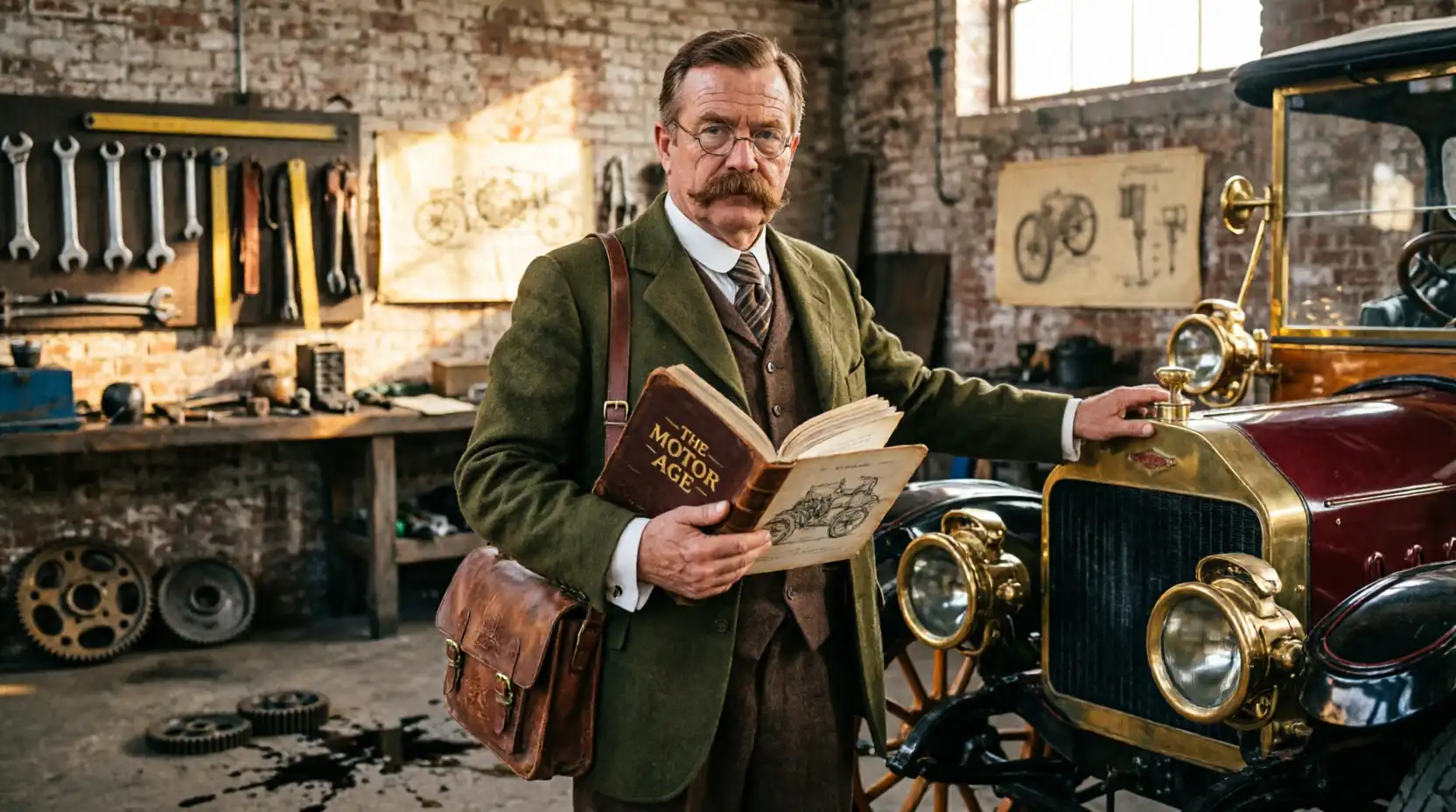
“Cars aren’t just machines. They’re freedom, memory, and a little bit of grease under your fingernails.”
I’m Theodore Roosevelt—though my friends just call me “Ted” (and no, I’m not related to the president, though I do share his love for adventure). I grew up in Detroit in the 1970s, back when the city was still the heart of the American auto industry. My first love was a rusted-out 1967 Mustang my father and I rebuilt in our garage when I was fifteen. That project taught me that cars have souls. After spending twenty years as a mechanic and another ten writing for magazines, I started this blog to help everyday drivers and weekend wrenchers feel confident under the hood. Whether you’re restoring a classic or just trying to keep your daily driver alive for one more winter, I’m here to help you get there.