There is a unique romance to owning a Jeep. Whether you are navigating the concrete canyons of a city in a Wrangler or hauling gear across a muddy trail in a Grand Cherokee, the brand promises adventure, freedom, and a rugged aesthetic that few other vehicles can match. However, for every mile of open road, there is often a check engine light waiting to flicker on. Jeep owners are a passionate and loyal community, but they are also the first to admit that their vehicles come with a distinct set of mechanical and electrical quirks.
Understanding these common problems is not about discouraging potential buyers; it is about empowering current owners. In 2026, with vehicles becoming more complex and repair costs rising, knowing what to look for can save you thousands of dollars and countless hours of frustration. This article dissect the most frequent issues reported by Jeep owners across the most popular models, from the Wrangler and Gladiator to the Cherokee and Grand Cherokee. We will cover the root causes, the typical symptoms, and most importantly, the actionable steps you can take to fix or prevent them.
The Infamous Death Wobble: Steering and Suspension Nightmares
The "Death Wobble is arguably the most famous—and terrifying—problem in the Jeep community. It typically manifests as a violent, rapid shaking of the front axle and steering wheel, usually triggered by hitting a bump or pothole at highway. While it can happen to any solid-axle vehicle, it is endemic to the Jeep Wrangler and Gladiator models due to their live front axles and large, heavy tires. The sensation is not just uncomfortable; it can make the vehicle feel uncontrollable.
The root cause is almost always a failure in the front-end geometry. Specifically, worn or loose components in the steering linkage, track bar, control arms, or ball joints allow the axle to oscillate side-to-side uncontrollably. A common misconception is that a simple wheel alignment will fix it. In reality, the wobble is a harmonic resonance caused by excessive play in the system. If you ignore it, the shaking can cause rapid tire wear, damage to the steering box, and even a loss of control.
To fix the Death Wobble, you must methodically inspect every component in the front suspension. Start with the track bar, as a loose track bar bolt is the most common culprit. Check the tie rod ends and drag link for excessive play. Upgrading to a heavy-duty steering stabilizer can mask the symptoms, but it will not cure the underlying mechanical slop. The permanent solution involves replacing all worn bushings, ball joints, and tie rod ends, and ensuring all bolts are torqued to factory specifications. For 2026 models, Jeep has introduced a redesigned steering damper bracket, but older models still require diligent maintenance.
Electrical Gremlins: The Uconnect and Sensor Saga
Modern Jeeps are packed with technology, and while the Uconnect infotainment system is often praised for its user interface, it is also a primary source of headaches. Owners of the Grand Cherokee, Cherokee, and Wrangler JL frequently report issues with the screen freezing, the system randomly rebooting while driving, or the backup camera failing to activate. In 2026, software updates have addressed some of these bugs, but hardware failures—particularly in the touchscreen digitizer—remain common.
Beyond the infotainment system, sensor failures are rampant. The most notorious is the Electronic Stability Control (ESC) and ABS sensor malfunction. A faulty wheel speed sensor can trigger a cascade of warning lights on the dashboard, including the ABS light, traction control light, and the check engine light. This often happens after driving through deep mud or water, which corrodes the sensor connections. Another common electrical issue is the "Star" connector failure in the TIPM (Totally Integrated Power Module), which can cause the fuel pump to stop working or the horn to sound randomly.
Diagnosing electrical issues requires a systematic approach. For Uconnect problems, a hard reset (holding down the volume and tuner knobs for 10-15 seconds) often resolves temporary glitches. For sensor issues, a simple OBD-II scanner can pinpoint which wheel speed sensor has failed. The fix usually involves cleaning the sensor and connector with electrical contact cleaner or replacing the sensor entirely. To prevent TIPM issues, avoid aftermarket lighting that draws high amperage without a relay, as this can overload the module.
Engine Oil Consumption: The Pentastar V6 Problem
The 3.6-liter Pentastar V6 engine is the workhorse of the Jeep lineup, found in everything from the Wrangler to the Grand Cherokee. While it offers a good balance of power and efficiency, a significant number of owners have reported excessive oil consumption, sometimes burning a quart of oil every 1,000 to 2,000 miles. This problem is most prevalent in models manufactured between 2012 and 2018, but later iterations are not immune, especially under heavy towing or off-road use.
The primary cause is a failure of the valve stem seals or the piston rings. Over time, the seals harden and allow oil to seep into the combustion chamber, where it is burned off. This creates blue smoke from the exhaust upon startup and a persistent burning oil smell. If left unchecked, low oil levels can lead to catastrophic engine failure, including rod knock or camshaft wear. Jeep has issued several Technical Service Bulletins (TSBs) for this issue, but a full recall has not been issued.
The most effective fix is to replace the valve stem seals, which is a labor-intensive job but far cheaper than an engine rebuild. For vehicles still under warranty, Jeep will often perform an oil consumption test (measuring oil loss over 1,000 miles) and replace the seals or even the entire engine if consumption exceeds a certain threshold. As a preventative measure, owners should check their oil level every time they fill up with gas. Using a high-quality synthetic oil with a higher viscosity (such as 5W-30 instead of 0W-20, where permitted) can also slow down consumption.
Transmission Hiccups: Shifting Issues in the ZF 8-Speed
The ZF 8-speed automatic transmission is a marvel of engineering, offering smooth shifts and excellent fuel economy. It is used in the Grand Cherokee, Wrangler, and Gladiator. However, it is not without its flaws. A common complaint is a harsh "clunk" or "thud" when shifting from Park to Drive or Reverse, or a hesitation when downshifting at low speeds. This is often described as the transmission "hunting" for the right gear.
The root cause is often a combination of software calibration and hydraulic pressure issues. The transmission control module (TCM) learns your driving habits over time, and if the adaptation values become corrupted, the shifts can become erratic. Another physical issue is a failing valve body, which can cause delayed engagement or slipping. In colder climates, owners report that the transmission feels sluggish until the fluid warms up, which is a sign of degraded fluid viscosity.
The first step in fixing transmission issues is to perform a transmission fluid and filter change. Many owners are surprised to learn that the ZF 8-speed is marketed as "lifetime" fluid, but "lifetime" is defined by the manufacturer as 100,000 miles. Changing the fluid every 50,000 miles is highly recommended. If the problem persists, a TCM reset or software reflash at the dealership can often clear up shift quality issues. For severe clunking, replacing the valve body is the definitive repair. Avoid aggressive driving when the transmission is cold, as this puts excessive stress on the valve body.
Rust and Corrosion: The Silent Frame Killer
Rust is the existential enemy of any Jeep, particularly for owners living in the "Salt Belt" states where roads are heavily treated in winter. The Wrangler JK and JL, as well as the Cherokee, are notorious for developing rust in specific areas. The most critical location is the frame, particularly inside the frame rails where moisture and salt can accumulate and rot the metal from the inside out. This is a structural safety issue that can lead to a broken frame.
Other common rust spots include the rear tailgate hinges, the door hinges, and the underbody skid plates. The hinges are a particular problem because the paint can chip easily, exposing bare metal to the elements. Once rust forms under the hinge, it can cause the door to sag or the hinge to snap off entirely. On the Grand Cherokee, the rear liftgate is prone to rust along the bottom edge where the weather seal traps moisture.
Prevention is far easier than repair. For frame rust, the best solution is an annual application of a fluid-film-based rust inhibitor (like Fluid Film or Woolwax) inside the frame rails and on the underbody. This creates a waxy barrier that repels water and salt. For hinges, replacing the factory bolts with stainless steel versions and applying anti-seize compound can prevent galvanic corrosion. If rust has already taken hold, sanding the area down to bare metal, applying a rust converter, and repainting with a high-quality automotive paint is necessary. For severe frame rot, professional welding or frame replacement is the only safe option.
Key Takeaways
- ✓ The Death Wobble is caused by worn suspension components, not just bad tires; inspect the track bar and tie rods first.
- ✓ Electrical issues in Uconnect and sensor systems often require a hard reset or replacement of corroded wheel speed sensors.
- ✓ The Pentastar V6 engine is prone to high oil consumption due to failing valve stem seals; check oil levels weekly.
- ✓ The ZF 8-speed transmission benefits from regular fluid changes every 50,000 miles to prevent harsh shifting.
- ✓ Rust prevention with fluid-film treatments is critical for frame longevity, especially in cold-weather states.
Frequently Asked Questions
Is the Jeep Death Wobble dangerous, and can I still drive the car?
Yes, the Death Wobble is dangerous. While the vehicle will not immediately fall apart, the violent shaking can cause you to lose steering control, especially at highway speeds. You should slow down immediately (do not slam the brakes) and drive cautiously to a repair shop. Continuing to drive with the wobble will accelerate wear on tires, ball joints, and the steering box.
How much does it cost to fix the Uconnect screen freezing issue?
If a hard reset does not fix the problem, the cost varies. A software reflash at the dealership typically costs between $100 and $200. If the touchscreen digitizer or the entire radio unit needs replacement, the cost can range from $800 to $1,500 for parts and labor, depending on the model year and whether you use OEM or aftermarket parts.
Can I use a thicker oil to stop my Jeep from burning oil?
In some cases, yes. Switching from 0W-20 to 5W-30 (if your engine is out of warranty and the climate allows) can reduce oil consumption because the thicker oil is less likely to slip past worn valve stem seals. However, this is a band-aid fix. You should consult your owner's manual and a mechanic, as using the wrong viscosity can affect fuel economy and cold-start protection.
Why does my Jeep Grand Cherokee transmission clunk when shifting into gear?
This is often caused by a worn driveshaft u-joint or a failing transmission mount, not the transmission itself. However, if the clunk is accompanied by a delay in engagement, it is likely a valve body issue within the ZF 8-speed transmission. A simple fluid change can sometimes resolve the issue if the fluid is old and degraded.
How can I prevent rust on my Jeep Wrangler doors?
The best prevention is to remove the door hinges, clean the mating surfaces, and apply anti-seize compound to the hinge pins and bolts. You should also touch up any paint chips on the hinges immediately with a matching paint pen. Applying a thin layer of dielectric grease to the hinge contact points can also prevent moisture from getting trapped.
Conclusion
Owning a Jeep is a lifestyle choice that comes with a unique set of rewards and responsibilities. From the adrenaline-pumping Death Wobble to the silent creep of rust, these vehicles demand a level of attention and mechanical sympathy that a typical sedan does not. However, by understanding the common problems outlined in this guide—steering wear, electrical gremlins, oil consumption, transmission quirks, and corrosion—you can transform from a frustrated owner into an empowered one.
The key is proactive maintenance. Do not wait for the warning light to come on. Check your fluids, inspect your suspension, and treat your underbody before winter hits. The Jeep community is vast and resourceful, and there are countless forums and videos dedicated to these exact fixes. In 2026, the aftermarket support for Jeeps is stronger than ever, meaning parts are available and knowledge is free. Embrace the quirks, stay ahead of the repairs, and you will enjoy many more miles of adventure in your rugged machine.
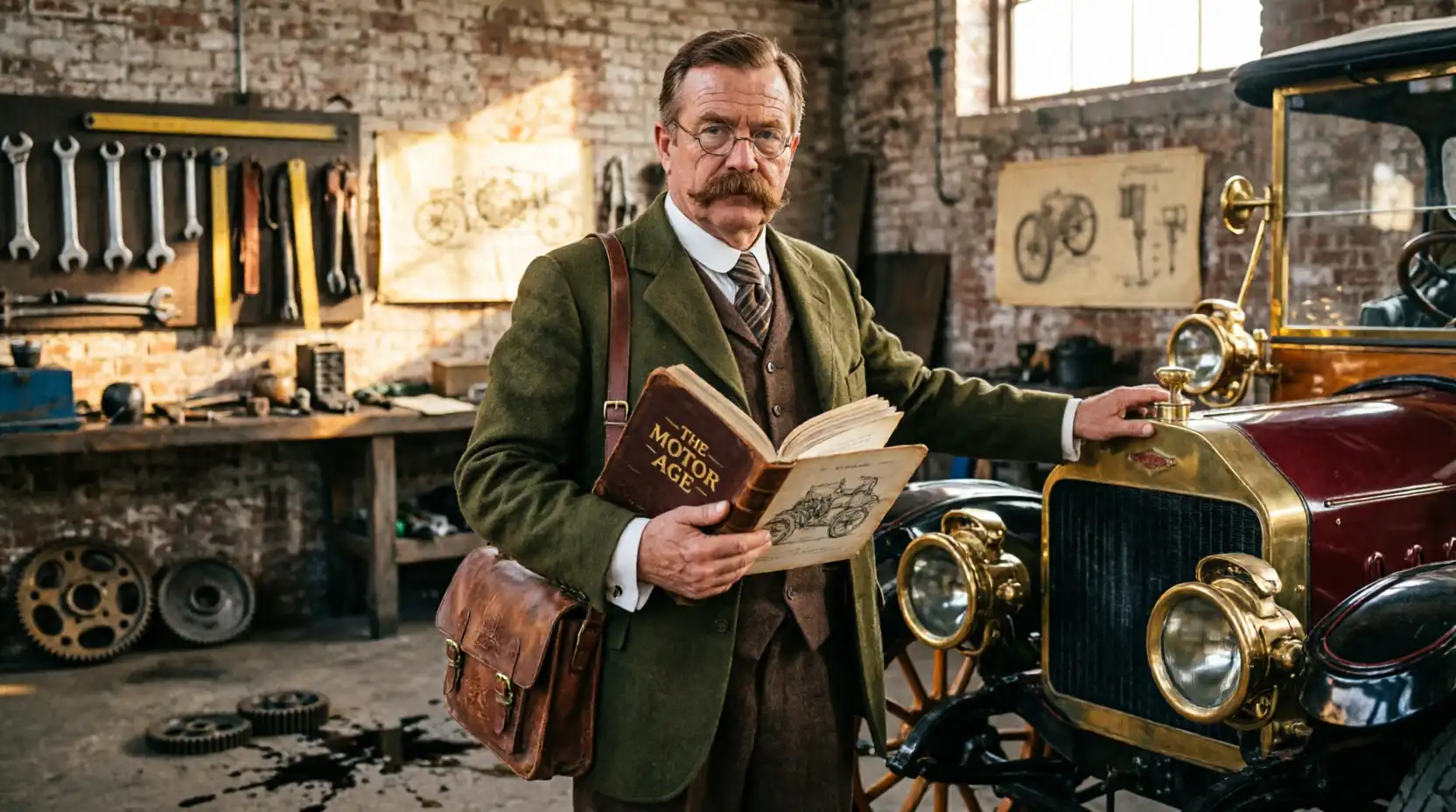
“Cars aren’t just machines. They’re freedom, memory, and a little bit of grease under your fingernails.”
I’m Theodore Roosevelt—though my friends just call me “Ted” (and no, I’m not related to the president, though I do share his love for adventure). I grew up in Detroit in the 1970s, back when the city was still the heart of the American auto industry. My first love was a rusted-out 1967 Mustang my father and I rebuilt in our garage when I was fifteen. That project taught me that cars have souls. After spending twenty years as a mechanic and another ten writing for magazines, I started this blog to help everyday drivers and weekend wrenchers feel confident under the hood. Whether you’re restoring a classic or just trying to keep your daily driver alive for one more winter, I’m here to help you get there.