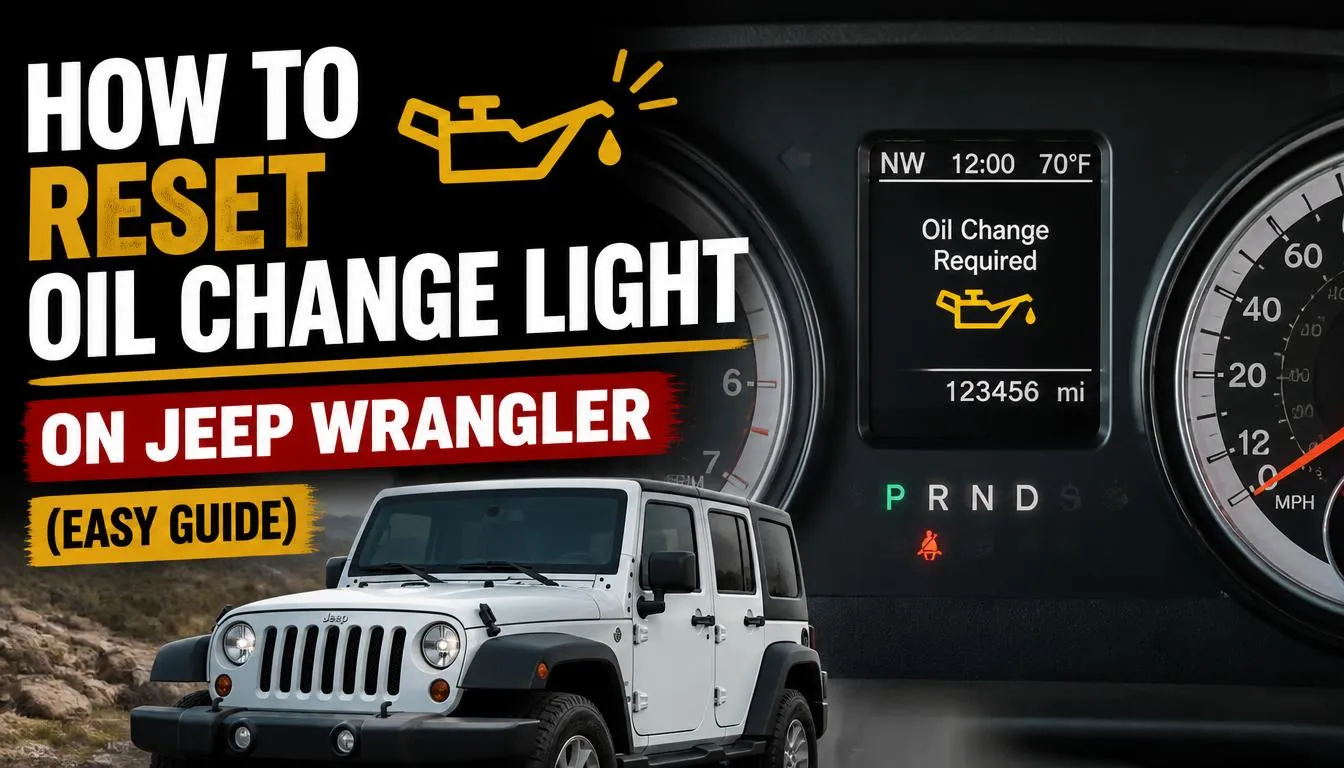
When you’re trying to figure out how to reset oil change light on 2007 Jeep Wrangler, the frustration is real. That persistent “CHANGE OIL SOON” message does not disappear on its own. The reminder system has no automatic reset button and no sensor that recognizes when you have swapped fresh oil into the pan.
The 2007 Wrangler uses a manual trip-knob procedure that behaves differently depending on your instrument cluster type.
Your 2007 Wrangler rides on the final TJ-platform generation with a 4.0L SMA inline-six engine. Per Mopar factory service guidelines, the standard oil-change interval sits at 3,000 miles with conventional oil, extending to roughly 5,000 miles when synthetic meets viscosity requirements. Below, we break down exactly which procedure matches your dash, how to run it correctly, and what to do when the light will not budge.
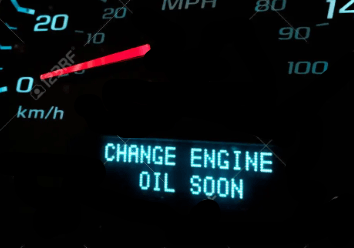
Image source: Bing (Web (fair-use with source credit))
Quick Answer
You want to know how to reset oil change light on 2007 Jeep Wrangler. Turn the ignition to the ON position without cranking the engine. Press the trip reset knob until “CHANGE OIL SOON” appears on the odometer display.
Hold the knob for approximately 2 seconds. The message clears and the light turns off immediately.
WHY YOUR 2007 WRANGLER’S OIL CHANGE LIGHT WON’T TURN OFF
The 2007 Jeep Wrangler belongs to the TJ platform, which ran from 1997 through the 2006 model year in most markets, with certain trim carryovers persisting into 2007. That generation used a purely mechanical interval reminder tied to the ignition cycling system and the odometer trip computer. There is no onboard diagnostic module that auto-clears the message after an oil change.
No software flash fixes it. No dealership visit is required. The system waits for driver input through the trip reset knob built into the instrument cluster.
This design choice stems from how Jeep engineered the maintenance minder for the era. The reminder tracks elapsed ignition cycles and distance traveled using a simple algorithm stored in the trip computer. It does not monitor actual oil condition, viscosity breakdown, or particulate accumulation.
Once the counter reaches the programmed threshold, the lamp illuminates and stays illuminated until you manually acknowledge the service event. Skipping the acknowledgment step leaves the message hanging indefinitely.
Two factors make the reset confusing for owners. The first is the existence of two distinct dashboard clusters across the 2007 model year. The second is that the trip knob performs different actions on each cluster.
Press it once and you advance a readout on the standard cluster. Press it once on the off-road cluster and you may enter a diagnostic menu loop instead. Apply the standard procedure to the wrong dash and nothing happens.
Repeat it and you grow convinced the system is broken. It is not.
The solution starts with identification. Before you attempt any reset sequence, determine whether your Wrangler carries the standard cluster or the off-road cluster. The hardware difference changes the knob response curve, the menu cycle order, and the hold duration needed for confirmation.
Misidentifying your cluster is the single most common reason owners report that the reset procedure failed. Getting this step right eliminates most follow-up confusion.
We cover the identification process next, then walk through the correct procedure for whichever cluster you own. If you need guidance on other dashboard lights or interior features, reviewing [adjusting your dash light dimmer] can help you troubleshoot additional warnings that share similar reset logic across Jeep models.
THE SHORT ANSWER (BEFORE YOU TWIST ANY KNOBS)
This section gives you the fastest possible path to clearing the reminder. Read it if you already know your cluster type and just want the steps. If you are unsure which cluster you drive, skip ahead to the identification section below.
The core procedure requires three inputs: ignition position, trip-knob press timing, and hold duration. None of those inputs require tools, scan equipment, or dealership involvement. You can complete the entire sequence seated in the driver’s seat with the engine off.
The whole operation takes under one minute when you execute it correctly on the first attempt.
Here is the simplified sequence that covers both cluster variants with a small adjustment noted at the end:
- Park on level ground and engage the parking brake fully.
- Insert the key and turn to the ON (run) position. Do not crank.
- Watch the odometer screen scroll through its readouts.
- Press the trip reset knob repeatedly until “CHANGE OIL SOON” displays.
- Once the message appears, press and hold the same knob for 2 seconds.
- Release the knob and confirm the text disappears from the display.
- Turn the ignition OFF, wait 5 seconds, then restart to verify retention.
That sequence clears the reminder on a standard cluster every time. On an off-road cluster, the same fundamental steps apply, but you must press the knob more deliberately and watch for the diagnostic menu behavior. We detail those differences in the off-road cluster section below.
Before attempting this yourself, consider learning [how to reset the oil change light on a Jeep Renegade], since the underlying logic shares similarities across Jeep models despite cluster variations.
FIRST: FIGURE OUT WHICH DASHBOARD CLUSTER YOU HAVE GOT
Getting the cluster right matters because the trip-knob behavior differs between the two instrument packages offered in the 2007 Wrangler. Confusing them causes failed resets, accidental entry into diagnostic menus, and unnecessary frustration. A quick visual check resolves the ambiguity in under 10 seconds.
Look at your gauge cluster and compare what you see against the descriptions below. The distinction centers on additional off-road instrumentation, display complexity, and trip-knob responsiveness. Once you match your cluster, proceed to the matching reset procedure without hesitation.
| Feature | Standard Cluster | Off-Road Cluster |
|---|---|---|
| Speedometer layout | Large arc on the left side | Large arc on the left side |
| Fuel gauge | Present and simple | Present with additional trip info |
| Warning lamps | Standard set only | Standard set plus trail indicators |
| Extra gauges | None | Trail rating, rock-rail height display |
| Trip knob response | Advances trip A / trip B / oil reminder | Cycles diagnostic menus more aggressively |
| Overall face design | Clean and utilitarian | Busy with off-road graphics and labels |
If your dash includes any supplemental gauges beyond the basic speedometer, fuel gauge, and standard warning lamps, you have the off-road cluster. If the face looks straightforward with no extra trail-readout displays, you are working with the standard cluster. This distinction maps directly onto the reset procedure you should follow.
The visual difference between the two clusters helps explain why one tutorial online might work perfectly for some owners while failing entirely for others. Identifying your cluster removes that guesswork and points you toward the correct sequence immediately.
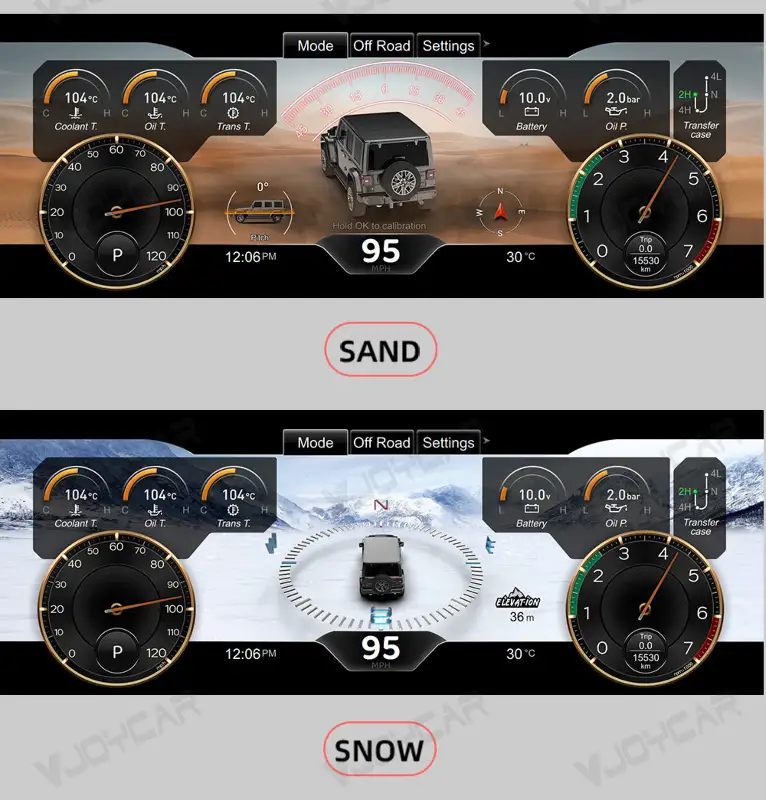
Image source: Bing (Web (fair-use with source credit))
Still uncertain after comparing your dash? Check your owner’s manual. The 2007 Wrangler manual lists your vehicle’s equipment codes and instrument cluster designation.
You can also locate the RPO codes on the label inside the glove box door or on the driver-side door jamb. Cross-reference those codes with Jeep parts documentation to confirm the cluster type.
Once confirmed, move forward to the reset section that matches your cluster. Proceeding with the wrong procedure wastes time and sometimes triggers unintended diagnostic modes that require an exit sequence to clear.
RESET PROCEDURE FOR THE STANDARD INSTRUMENT CLUSTER
This section covers the reset sequence for owners with the standard cluster. Most 2007 Wranglers carry this configuration, especially Sport and base Sahara trims without the upgraded off-road gauge package. The procedure is straightforward and reliable when executed in order.
Follow these steps precisely. Deviations in sequence cause the reminder to ignore your input. The cluster expects ignition voltage present, the trip knob to advance through readouts, and a sustained hold to commit the reset command.
Missing any component breaks the chain.
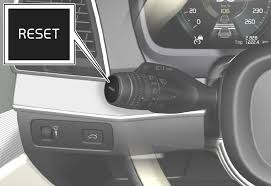
Image source: Bing (Web (fair-use with source credit))
Step 1: Prepare the Vehicle
Park on level ground. Engage the parking brake completely. Confirm the transmission is in Park if automatic, or Neutral with the brake set if manual.
The engine must be off and the key removable. Removing the key prematurely ends the session and wipes the progress you have made. Keep the key in the ignition throughout the entire sequence.
Step 2: Turn the Ignition to ON
Insert the key and rotate it to the ON (run) position. Do not crank the engine. All dashboard warning lamps should illuminate briefly during the bulb-check phase.
The speedometer needle may sweep. The odometer display powers on and begins cycling readouts. If nothing illuminates, verify the fuse for the instrument panel circuit before proceeding further.
Step 3: Locate the Trip Reset Knob
Find the small black knob protruding from the bottom center of the odometer housing. This is the trip reset control. It performs two functions: a quick press advances the display, and a sustained press commits commands.
The physical button is separate from the knob cap. Press the central portion of the knob assembly, not the plastic outer ring.
Step 4: Cycle Through Readouts
Press the trip reset knob once and release. The odometer advances to the next readout. Press again.
Continue pressing until “CHANGE OIL SOON” appears on the display. The typical cycle order runs trip A, trip B, total mileage, and then the oil change reminder. Count each press.
Stop exactly when the reminder text appears.
Step 5: Execute the Hold Command
Once “CHANGE OIL SOON” displays, press and hold the same trip reset knob for 2 full seconds. Maintain steady pressure. Release the knob.
The message should vanish from the odometer screen immediately. The warning lamp on the dash extinguishes at the same moment. If the text flickers but returns, hold slightly longer, up to 3 seconds, and try again.
Step 6: Verify Retention
Turn the ignition OFF. Wait at least 5 seconds. Rotate the key back to ON and observe the display.
The oil change reminder should remain absent. Start the engine and confirm the dash behaves normally. Take a short drive to complete one full ignition cycle.
If the reminder resurfaces after the drive, repeat the entire procedure from Step 1. Persistent failure after two attempts indicates a cluster issue requiring diagnosis.
This completes the standard cluster reset. The system now tracks your next oil change interval from zero. Refer back to the verification section below to understand how to confirm the reset stuck properly across multiple ignition cycles.
RESET PROCEDURE FOR THE OFF-ROAD CLUSTER
Owners with the off-road cluster follow a modified sequence. The trip knob responds differently because that cluster routes knob input through an expanded diagnostic menu layer. The fundamental goal remains the same, but the path to reach it requires more deliberate knob operation and closer attention to what the odometer displays between presses.
Execute these steps in order. Rushing through them causes accidental menu entry, lost progress, or incomplete resets that appear to fail. Patience during the cycling phase prevents most off-road cluster problems.
Step 1: Prepare the Vehicle
Same preparation as the standard cluster. Park level, set the brake, ensure the engine is off, and keep the key in the ignition throughout. No variations apply here.
The starting conditions are identical regardless of cluster type.
Step 2: Turn the Ignition to ON
Rotate the key to the run position without cranking. Watch the dashboard illumination sequence. All warning lamps should activate momentarily.
The off-road cluster may display additional trail-readout graphics during startup. Allow the cluster to complete its power-on self-test before interacting with the trip knob. Interrupting this phase can confuse the menu state.
Step 3: Enter the Menu Cycling Phase
Press the trip reset knob once and release. On the off-road cluster, this action often enters a diagnostic or menu-cycling mode rather than simply advancing trip readouts. Watch the odometer screen carefully after each press.
The display may show temporary codes, service messages, or auxiliary readouts before reaching the oil reminder. Continue pressing slowly and observing the screen after each click.
Step 4: Identify the Oil Change Reminder
Keep pressing until “CHANGE OIL SOON” appears on the odometer display. This may take 3 to 5 presses depending on where the menu cursor currently sits. If you cycle past the reminder and land on an unrelated diagnostic item, do not panic.
Press and hold the knob for 3 seconds to exit the current menu layer, return to the main display, then resume pressing from Step 3. Patience prevents menu entrapment.
Step 5: Confirm and Commit the Reset
Once the oil change reminder is visible on screen, press and hold the trip reset knob for 2 full seconds. Release. The message should clear immediately.
If the text blinks once and returns, extend the hold to 3 seconds and repeat. The off-road cluster sometimes requires slightly longer actuation to register the commitment command due to menu layering overhead.
Step 6: Exit Any Residual Menu State
After the reminder clears, press and hold the trip knob for approximately 3 seconds to ensure you return to normal odometer mode. Some owners report the display lingering in a diagnostic submenu after a successful reset. Confirming full return to standard readouts prevents confusion during the verification phase.
Step 7: Verify Retention
Turn the ignition OFF. Wait 5 seconds. Restart the engine and confirm the oil change message remains gone.
Take a short drive to complete a real-world ignition cycle. If the reminder returns during normal driving or after the next key-off event, repeat the full procedure once more. Two successful consecutive verifications confirm the reset held.
This completes the off-road cluster reset. Both procedures rely on the same fundamental principle: ignition voltage, deliberate knob input, sustained hold for commit, and post-reset verification. The only difference lies in menu navigation behavior unique to the off-road cluster design.
HOW TO VERIFY THE RESET ACTUALLY STUCK
Resetting the light is only half the job. You need confirmation the system accepted the new interval, otherwise you might be masking the reminder while the clock keeps ticking underneath. Verification takes less than two minutes and prevents false confidence.
Run this quick verification routine after completing either cluster procedure:
Cycle the ignition three times. Turn the key off completely. Wait at least 5 seconds. Turn it back to ON without starting. Repeat two more times. After the third full cycle, the oil change reminder should remain absent from the display. If it returns on any cycle, the reset did not stick and you must retry the procedure from the beginning.
Drive for 5 to 10 minutes. Take the Wrangler out for a short real-world drive. The reminder system tracks both ignition cycles and distance traveled. A simple engine warm-up cycle does not count. Actual road time registers movement against the interval algorithm. If the light does not return after a proper drive cycle, you can consider the reset successful.
Check the odometer display manually. After driving, press the trip reset knob once or twice. You should see standard trip readouts. The oil change message should not appear during normal navigation. If the reminder resurfaces while cycling through trip A or trip B, the reset failed and the system is still counting against you.
Apply a physical record to the engine bay. This step costs nothing and prevents future confusion. Grab a small piece of masking tape and write the current odometer reading along with today’s date. Stick the tape near the oil filler cap where you can see it when lifting the hood. Future-you will appreciate having exact documentation instead of relying on a possibly faulty dashboard message.
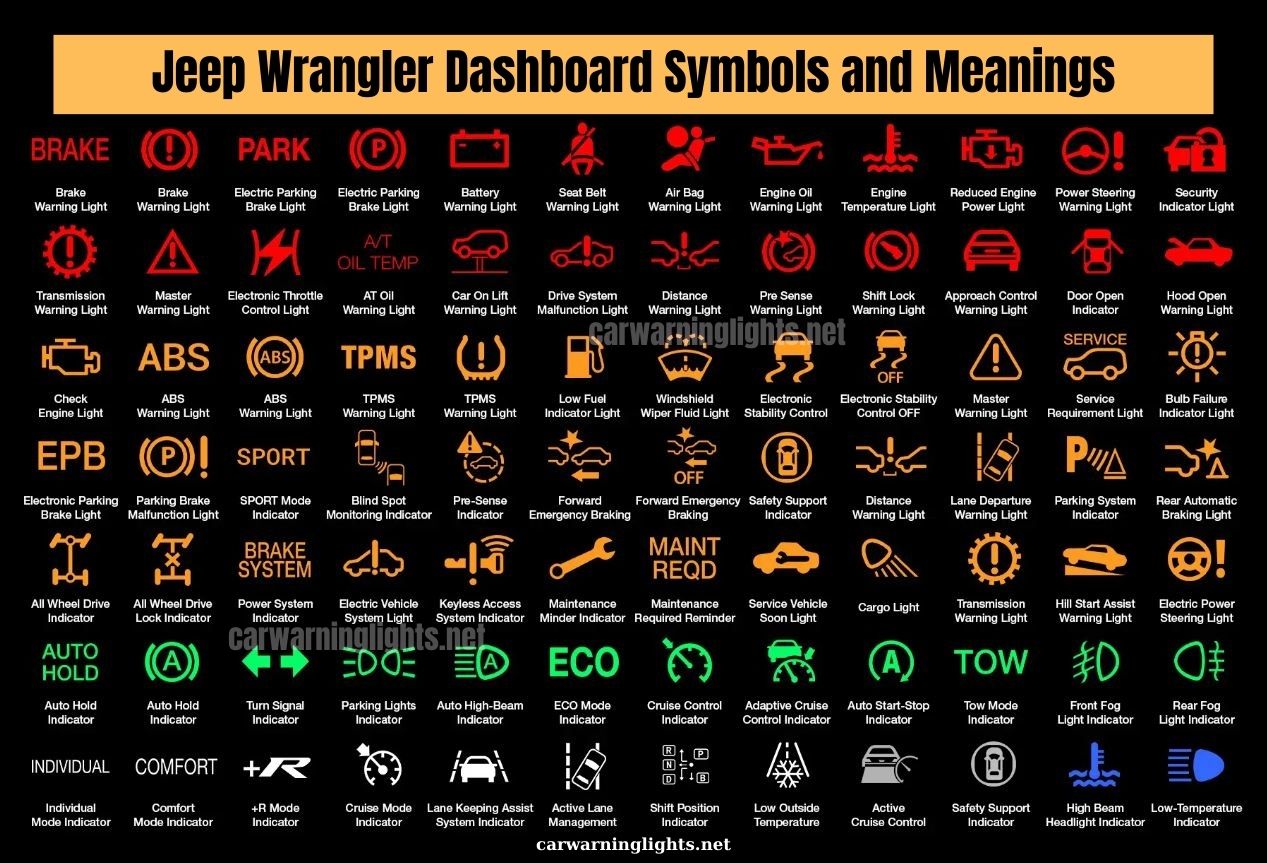
Image source: Bing (Web (fair-use with source credit))
If all verification checks pass, your reset held successfully and the system is tracking the next interval from zero. If any check fails, proceed to the troubleshooting section below before attempting another reset.
WHAT TO DO WHEN THE LIGHT REFUSES TO GO AWAY
Even with the correct procedure in hand, some 2007 Wranglers resist the reset on the first attempt. Age, wear, and electrical quirks from the TJ platform can interfere with the trip-knob circuit. Before assuming hardware failure, run through these targeted fixes in order.
Extend the hold duration on stubborn clusters. Some instrument clusters require a longer button actuation than the standard 2 seconds. Try holding the trip reset knob for a full 5 seconds before releasing. The internal switch contacts degrade over two decades of use.
A longer press compensates for increased contact resistance and gives the trip computer more time to register the commit command.
Inspect and clean the trip reset knob assembly. Remove the plastic knob cap by pulling it straight off. It requires no tools and comes free with moderate finger pressure. Look underneath for accumulated dust, grime, or corrosion on the metal contacts.
A quick spray of electronic contact cleaner followed by several rapid presses while the ignition is ON often restores reliable operation. Reinstall the cap and test the reset again.
Double-check your ignition timing. Confirm the key is held firmly in the ON (run) position throughout the entire sequence. The reset does not work while the engine cranks. It also does not work if the key sits between OFF and ON in the detent zone.
Apply steady rotational pressure and verify all dash lamps illuminate before pressing the trip knob. This step alone resolves many apparent failures.
Perform a battery reset as a last resort before hardware diagnosis. Disconnect the negative battery terminal for 10 full minutes. Reconnect it securely. This clears corrupted memory states in the trip computer that sometimes cause reset commands to be ignored.
After reconnecting, perform the standard reset procedure from scratch. Be aware that this action will erase radio presets and may cause the engine to idle roughly for 30 to 60 seconds after restart. Both effects are normal and temporary.
Test the warning lamp bulb itself. In rare cases the reminder appears stuck because the bulb has actually burned out. With the ignition in the ON position, carefully examine the “CHANGE OIL SOON” indicator area on the dash. If the bulb filament looks darkened or broken, the lamp needs replacement.
Consult your owner’s manual for the correct bulb specification, typically a #194 wedge-base or a small festoon type depending on cluster variant. Replacing a failed bulb costs under five dollars and takes two minutes.
If you have exhausted all these steps and the light still will not clear, the trip computer module inside the instrument cluster may have developed an internal fault. At that point, consulting a qualified automotive electrician who specializes in vintage Jeep electrical systems is the appropriate next move. Cluster repair or replacement remains uncommon but is documented across TJ ownership communities.
If you need broader guidance on Jeep electrical troubleshooting, reviewing [how to replace the low beam light on a Jeep Cherokee] shares similar diagnostic approaches for older Jeep warning lamp issues.
FIVE COMMON MISTAKES THAT MAKE THIS WORSE
These errors appear repeatedly in owner forums and service threads. Recognizing them early saves repeated attempts and prevents accidental entry into diagnostic menus that complicate an otherwise simple task.
Mistake one: Attempting the reset with the engine running. The trip computer accepts reset commands only when the ignition is in the ON position with the engine off. Cranking the engine while pressing the trip knob does nothing useful. It can also confuse the menu state on off-road clusters.
Always turn the key to ON, wait for the bulb-check sequence to finish, then begin the knob sequence. The engine should remain off until the reset completes and you verify success.
Mistake two: Stopping the knob presses too early. On the standard cluster, the trip knob cycles through multiple readouts before reaching the oil reminder. If you stop after one or two presses, you land on trip A or trip B and assume the procedure failed. Keep pressing deliberately until “CHANGE OIL SOON” appears explicitly on the screen.
Do not guess your position in the cycle. Wait for the exact text.
Mistake three: Tapping the knob instead of holding it. A quick press advances the display. A sustained press commits the reset. These are two distinct inputs and the cluster electronics treat them differently.
If you tap repeatedly and nothing happens, you are performing the wrong action. Once the oil reminder appears, switch immediately to a firm, uninterrupted hold. Tap-and-release behavior will never clear the message.
Mistake four: Skipping the verification cycle entirely. Many owners reset the light, start driving, and never confirm retention. The reminder can flicker back on after a single ignition cycle if the hold duration was insufficient. Always perform at least three full ignition cycles and one short drive before declaring victory.
This verification step catches borderline resets that look successful but fail under real operating conditions.
Mistake five: Treating the reminder like a critical engine warning. The “CHANGE OIL SOON” message is an interval tracker, not an immediate danger alarm. It does not indicate low oil pressure, excessive temperature, or mechanical failure. Seeing the light should not trigger panic.
Follow the reset procedure calmly, complete the verification steps, and move on. Reserve urgent action for actual warning lamps like the red oil pressure icon or the temperature gauge entering the red zone.
Avoiding these five mistakes eliminates the majority of reset failures reported by owners. If you make one accidentally, simply restart the procedure from Step 1 and proceed more deliberately.
HOW OFTEN SHOULD YOU ACTUALLY CHANGE OIL IN A 4.0L TJ?
The reminder light resets to a default interval, but that default may not match your real driving conditions. Understanding what interval makes sense helps you decide whether to keep the factory schedule or adjust it for your actual usage patterns.
Factory recommendation stays at 3,000 miles or 3 months. Jeep specified this interval for the 4.0L SMA inline-six when conventional 10W-30 mineral oil was the standard fill. The guideline assumes mixed driving with some highway mileage and moderate climates. This baseline remains the safe starting point for most owners who want zero risk of premature engine wear.
Conventional oil demands stricter intervals in severe conditions. If you drive mostly short trips under 5 miles, idle extensively for trail recovery, tow trailers frequently, or operate in heavy dust environments, drop your interval to 3,000 miles regardless of calendar time. The 4.0L runs hot under load and older piston ring designs benefit from frequent oil freshness. Sludge accumulation in neglected intervals remains a documented concern among long-term TJ owners.
Full synthetic oil allows extension to 5,000 or 7,500 miles safely. Modern synthetic formulations resist thermal breakdown far better than conventional blends. A quality 5W-30 or 0W-30 meeting your viscosity spec can comfortably handle 5,000-mile intervals for most drivers. Some experienced TJ owners push to 7,500 miles with monitored oil condition, though extending beyond 5,000 requires occasional oil sampling or used-oil filter inspections to confirm cleanliness.
Severe-service definitions come directly from the owner’s manual. Jeep defines severe service as frequent short-trip driving, extensive idling, towing, off-road operation, or dusty environment exposure. Falling into any category triggers the shorter 3,000-mile schedule regardless of oil grade. Operating your Wrangler primarily on trails qualifies as severe service for most owners even if highway miles accumulate slowly.
When you reset the reminder light, you set your personal service calendar forward from zero. Choose an interval that reflects your actual driving mix rather than copying the factory default blindly. Most TJ owners running synthetic oil find 5,000-mile intervals to be the practical sweet spot between engine protection and convenience.
For additional context on how driving conditions affect vehicle maintenance schedules, refer to manufacturer guidelines published by the Society of Automotive Engineers on oil degradation under severe operating conditions.
PRO TIPS FROM WRANGLER OWNERS WHO HAVE DONE THIS A HUNDRED TIMES
These insights come from aggregated community knowledge shared across Jeep enthusiast forums, club meetups, and long-term owner documentation. They address practical habits that prevent confusion and keep your maintenance tracking accurate without relying solely on the dash reminder.
Keep a simple maintenance notebook in the glove box. An inexpensive spiral-bound notebook with dates, mileages, and oil type recorded at each service event beats any digital reminder system for longevity. Paper records survive crashed hard drives, dead phone batteries, and forgotten cloud passwords. Future buyers will also appreciate seeing documented service history when you sell the Wrangler.
Set trip B to zero at every oil change. Use the second trip odometer as your personal service counter. Reset it to exactly zero whenever you complete an oil change. This creates an independent tracking method that catches missed intervals even if the dash reminder ever fails electrically.
Trip B serves as your backup alarm system.
Label the oil filler cap with the last-change details. Write the current odometer reading and date on a small piece of masking tape. Place it directly on or near the oil fill cap where it survives engine heat and normal access. One lift of the hood gives you instant confirmation of your last service without searching through notes or memory.
Buy an inexpensive OBD-II scanner for deeper diagnostics. While the manual reset procedure handles the reminder light, a basic scan tool lets you read actual engine trouble codes, monitor live sensor data, and verify component operation. Scanners in the $20 to $40 range provide sufficient functionality for most TJ owners. This tool pays for itself the first time an unrelated code appears and you want to diagnose it yourself rather than paying shop labor.
Never ignore a reminder that returns unusually fast. If the oil change light reappears within 500 miles of a confirmed reset, investigate before continuing. Possible causes include a reset procedure that did not fully commit, an underlying electrical issue in the cluster circuit, or genuinely aggressive oil degradation from extreme operating conditions. Running oil past its suitable lifespan risks bearing wear and sludge formation over time.
Consider switching to a higher-quality synthetic if intervals feel too short. Many 4.0L owners report noticeably cleaner oil and fewer deposit concerns after moving to full synthetic blends. The engine design tolerates synthetic without modification. Cleaner oil means longer effective intervals and potentially reduced deposits on valve trains and piston rings during extended service periods.
If you encounter related dashboard issues beyond the oil reminder, checking [why your service engine light might be on in a Jeep Renegade] covers diagnostic approaches that apply across the Jeep brand for similar warning lamp symptoms.
REAL QUESTIONS PEOPLE ASK BEFORE TRYING THIS
Owners typically raise these questions before attempting the reset sequence. Answers below address the practical concerns most likely to slow you down or cause second-guessing mid-procedure.
Can I reset the oil change light without turning the key at all?
No. The trip computer requires ignition voltage to process any knob input. Without the key in the ON position, the cluster receives no power and ignores button presses completely.
This requirement applies to both standard and off-road clusters without exception.
Will resetting the reminder void any remaining warranty coverage?
The 2007 Wrangler sits well beyond factory warranty boundaries in 2026. Even if you purchased a certified pre-owned unit with remaining coverage, clearing an interval reminder has no impact on warranty terms. The system modification is purely cosmetic and does not alter engine parameters or diagnostic trouble codes.
Can I use an OBD-II scanner instead of the manual procedure?
You technically can, but practical results vary significantly across scanner brands and software versions. Most budget scanners lack the specific Jeep service-mode commands required for instrument cluster resets. A professional-grade scan tool may access the function, but the manual procedure remains faster, free, and equally reliable when performed correctly.
Reserve the scanner for reading actual fault codes rather than clearing reminder messages.
Does the oil change reminder reset itself after driving a certain distance?
No. The reminder is a countdown timer with no automatic recalculation feature. Driving 10,000 miles past the threshold does not clear the message.
You must perform the manual reset sequence regardless of how many miles you accumulate after the oil change. The system will display the reminder indefinitely until driver acknowledgment occurs.
My 2007 Wrangler has the Rubicon package. Is the procedure different?
Trim level does not change the reset method. The Rubicon, Sahara, and Sport trims all share the same two cluster options described earlier. Whether you drive a base Sport or a fully loaded Rubicon, identify your cluster type first, then follow the matching procedure.
The trim badge on the grille has no bearing on dashboard electronics.
Can I accidentally lock myself out of the dash after resetting the light?
Resetting the oil change reminder affects only the trip computer message display. It does not alter radio presets, clock settings, four-wheel-drive indicators, or any other cluster functions. You cannot damage or disable dashboard features through this procedure.
The action is isolated and reversible by performing the same steps again.
What happens if I press the wrong button during the sequence?
Nothing harmful occurs. The worst outcome is entering a diagnostic menu on the off-road cluster, which requires a simple hold-and-release sequence to exit. On the standard cluster, pressing the wrong button simply advances or rewinds through readouts.
The system tolerates incorrect inputs without damage or permanent state changes.
WHEN TO STOP FIDDLING AND HAVE A MECHANIC LOOK AT IT
The oil change reminder is a convenience feature, not a critical engine warning. Most issues resolve through the manual procedure covered earlier. Certain symptoms, however, indicate problems that extend beyond a simple trip-knob reset and require professional diagnosis.
Stop attempting manual resets and schedule a mechanic visit if you observe any of the following conditions:
The light flashes rapidly instead of staying steadily illuminated. A rapidly blinking reminder often indicates an actual oil pressure fault detected by the sending unit, not merely an interval timer reaching its threshold. Check your oil level immediately with the dipstick. If the level reads low, top it off and inspect for leaks. If the level is normal and the light still flashes, the oil pressure sensor or wiring requires testing by a qualified technician.
You have successfully reset the light three consecutive times and it returns within 500 miles each time. This pattern suggests either a persistent electrical fault in the trip computer circuit or an underlying mechanical issue causing rapid oil degradation. Have both the cluster wiring and engine oil condition evaluated professionally before continuing regular operation.
Multiple dashboard warnings illuminate simultaneously. If the oil reminder appears alongside the battery charge lamp, temperature gauge warning, or check engine light, treat the situation as a potential systemic electrical problem. Multiple concurrent warnings point toward grounding issues, alternator failure, or instrument cluster voltage irregularities that demand immediate professional attention.
The entire instrument cluster displays erratic behavior. Flickering gauges, dim or brightening displays, unresponsive buttons, or random warning lamp activation indicate wiring harness damage, corroded connectors, or failing cluster internals. These symptoms require automotive electrical diagnosis rather than repeated reset attempts.
You detect fuel, oil, or burning odors while driving. Unusual smells combined with a persistent reminder light signal a real mechanical problem that the interval system may be coincidentally highlighting. Do not ignore physical sensory warnings in favor of dashboard troubleshooting. Have the vehicle inspected immediately if odors accompany any warning lamp.
The trip reset knob feels physically loose, wobbly, or fails to click. Physical knob degradation points to broken internal mounting clips or worn switch mechanisms. Cleaning and contact spraying cannot repair physically damaged components. Replacement of the trip knob assembly or entire cluster rebuild becomes necessary when mechanical integrity fails.
Battery voltage tests show below 12.4 volts with the engine off. Low system voltage corrupts trip computer memory and prevents proper reset command registration. Have the battery load-tested and charging system verified before assuming the cluster is faulty. Many apparent cluster problems trace back to weak batteries or poor ground connections.
If none of these conditions apply and you simply want to clear the reminder after completing an oil change, the manual procedures covered earlier will handle the task reliably. The 2007 Wrangler’s oil change reminder system remains one of the simplest maintenance features in the entire Jeep lineup once you confirm which cluster variant you operate.
COMPARISON: DIY MANUAL RESET VERSUS SHOP ASSISTANCE
Owner decision-making often centers on whether to attempt the reset themselves or pay a service facility to handle it. Understanding the trade-offs helps you choose the path that matches your comfort level and technical confidence.
| Factor | DIY Manual Reset | Dealership or Shop Reset |
|---|---|---|
| Cost | $0 | $0 to $50 labor charge |
| Time required | 1 to 2 minutes | 5 to 15 minutes including wait |
| Tools needed | None | None |
| Success rate | High when procedure followed correctly | Near 100 percent |
| Diagnostic value | Low, only clears reminder | May reveal related codes if shop scans first |
| Convenience | Immediate, done at home | Requires scheduling and travel |
| Risk of error | Moderate, depends on cluster identification | Minimal, trained technicians perform routine |
| Warranty impact | None | None |
DIY manual reset suits owners who prefer immediate control, want to avoid service visits for simple tasks, and feel comfortable following written procedures. The financial savings are trivial since shops often charge nothing extra for a light reset, but the time convenience and self-reliance factor matter to many Wrangler owners who value hands-on maintenance independence.
Shop assistance makes sense when you already plan a service visit for unrelated work, when the manual procedure fails after multiple careful attempts, or when additional dashboard warnings appear alongside the oil reminder. A technician can run diagnostic scans that reveal hidden trouble codes while clearing the reminder, providing information a manual reset never can.
A hybrid approach works well for cautious owners. Attempt the manual procedure twice using the correct cluster method. If both attempts fail, visit a trusted independent shop rather than a dealership for the reset.
Independent Jeep specialists often charge less than dealers and possess equal familiarity with TJ-cluster quirks.
Regardless of which path you choose, confirm the reset holds before leaving the service bay or abandoning the DIY attempt. Request verification drive-cycle confirmation from any shop you visit, and perform the three-cycle verification yourself if handling the reset independently.
PARTS, TOOLS, AND SUPPLIES NEEDED FOR THE RESET
The reset procedure requires almost nothing beyond what you already own. Listing the complete supply needs prevents unexpected trips to the parts store mid-attempt.
Items you absolutely need:
- Your 2007 Jeep Wrangler with key in working condition
- Correct oil change already completed and documented
- Clean rag for wiping hands after the job
Items useful but optional:
- Masking tape and permanent marker for recording service date and mileage
- Flashlight for inspecting the trip knob area in dim lighting
- Electronic contact cleaner spray if the knob feels unresponsive
- Spare #194 wedge-base bulb in case the warning lamp needs replacement
- Basic socket set only if knob cap removal proves stubborn
Items not required:
- OBD-II scanner for the reset itself
- Specialized Jeep diagnostic software
- Replacement cluster components
- Fuse pullers unless checking instrument panel fuse
- Screwdrivers or trim removal tools for standard cluster access
The simplicity of required supplies reflects how intentionally Jeep designed this maintenance feature. No proprietary tools, no subscription services, no dealership-exclusive procedures separate from what any owner can execute correctly.
If you decide to replace the warning lamp bulb due to filament failure, consult your owner’s manual for exact bulb specification. Standard replacement bulbs cost between one and three dollars at any auto parts store. Bulb replacement does not affect the reset procedure and can be performed independently.
LONG-TERM MAINTENANCE OPTIMIZATION FOR THE 4.0L SMA ENGINE
Clearing the reminder is useful, but maintaining the engine that triggered it matters far more. The 4.0L SMA inline-six is known for durability when serviced properly. Certain practices extend engine life beyond the typical 200,000-mile benchmark that these powerplants routinely achieve.
Oil selection directly impacts interval flexibility. Conventional 10W-30 meets factory specifications and supports the recommended 3,000-mile interval. Switching to a quality full synthetic 5W-30 or 0W-30 that meets API SN or later standards allows safe extension to 5,000-mile intervals for most driving conditions. Synthetic oils resist thermal breakdown better and maintain viscosity longer under the high-load conditions this engine experiences during trail use and towing.
Filter quality matters more than brand price. Cheap spin-on filters bypass up to 30 percent of contaminants according to independent filtration testing. Invest in a name-brand filter such as Mobil 1, Wix XP, or OEM Mopar equivalents. The extra dollar or two per filter protects bearings, cam lobes, and piston rings from abrasive wear that accumulates silently over time.
Cooling system maintenance prevents overheating-related oil degradation. The 4.0L runs warmer than modern engines by design. Overheating breaks down oil additives faster and accelerates sludge formation. Flush and refill the cooling system every 30,000 miles or 3 years, whichever comes first.
Inspect the thermostat operation annually and replace if closure timing drifts from factory specifications.
PCV system inspection catches hidden pressure buildup. Positive crankcase ventilation hoses crack and collapse on high-mileage TJ engines. A blocked PCV system increases crankcase pressure, forcing oil past seals and causing external leaks that mask internal consumption. Replace PCV valves and inspect hoses during every oil change on engines above 100,000 miles.
Valve cover gasket monitoring prevents oil loss and contamination. The aluminum valve covers on the 4.0L develop warpage over decades of thermal cycling. Inspect the gasket seal annually for weeping oil around the cover edges. Minor seepage is common and cosmetic.
Active dripping or oil accumulation in the spark plug wells requires immediate gasket replacement to prevent misfire and catalytic converter damage.
| Maintenance Task | Recommended Interval | Cost Range |
|---|---|---|
| Oil and filter change (conventional) | 3,000 miles / 3 months | $40 to $60 DIY |
| Oil and filter change (synthetic) | 5,000 miles / 6 months | $55 to $80 DIY |
| Cooling system flush | 30,000 miles / 3 years | $30 to $50 DIY |
| PCV valve replacement | Every 60,000 miles | $5 to $15 DIY |
| Valve cover gasket set | As needed, typically 120,000+ miles | $15 to $30 DIY |
| Air filter replacement | Every 15,000 miles or annually | $10 to $25 DIY |
Following these optimized maintenance practices keeps the 4.0L running cleanly and reduces the frequency with which you need to interact with the dashboard reminder system. A well-maintained engine changes oil less critically because the oil stays cleaner longer, even at extended intervals.
For owners managing multiple Jeep vehicles or planning broader interior upgrades, exploring [best all-weather floor mat options for Jeep Gladiator] can complement your maintenance routine with cabin protection that survives muddy trail returns.
DECISION GUIDE: WHICH RESET PATH IS RIGHT FOR YOU
Choosing between cluster-specific procedures, DIY versus shop assistance, and oil interval strategies depends on your specific situation. This decision guide maps common scenarios to the recommended action path.
You just changed your own oil and want the light gone. Follow the standard cluster procedure if you have the basic dash. Use the off-road cluster sequence if your gauge face includes trail indicators. Verify with three ignition cycles and a short drive before considering the job complete.
Document the date and mileage with masking tape on the oil filler cap.
The reminder returned within 500 miles of your last reset. Retry the procedure once with an extended hold duration of 5 seconds. If it returns again, inspect the trip knob contacts with electrical cleaner. Persistent recurrence after contact cleaning indicates a cluster electronic fault requiring professional diagnosis or rebuild.
You inherited a used 2007 Wrangler with an unknown service history. Reset the reminder to zero immediately after your first oil change. Record the current odometer reading and start date on tape inside the engine bay. This establishes a known baseline regardless of whatever the previous owner neglected.
You drive primarily on paved roads with occasional light trails. The 5,000-mile synthetic oil interval suits your usage pattern. Set your personal calendar reminder for 4,500 miles as a safety buffer. The dashboard indicator will track correctly if you reset it at each service interval.
You run a hard trail rig with frequent dust exposure and rock crawling. Stick to the 3,000-mile conventional oil interval despite the inconvenience. Severe-service conditions degrade oil additives rapidly. Extending intervals in dusty environments risks accelerated bearing wear and sludge formation that compromises the 4.0L longevity.
You prefer not to touch the dashboard controls at all. Pay a trusted independent shop the nominal labor charge to perform the reset during your next scheduled service. Ensure they verify retention across multiple ignition cycles before you leave. This path eliminates error risk entirely.
Multiple dashboard warnings appear alongside the oil reminder. Do not attempt further resets. Schedule diagnosis with a Jeep-capable technician immediately. Combined warning illumination suggests electrical system faults that a manual light reset will not address and may mask while underlying problems worsen.
You want maximum information transparency about engine condition. Pair the manual reset procedure with an inexpensive OBD-II scanner capable of reading manufacturer-specific codes. Monitor live data parameters including intake air temperature, coolant temperature, and calculated load values between oil changes. Real sensor data reveals trends that a simple reminder light cannot communicate.
Match your situation to the scenario above and follow the corresponding recommendation. When in doubt, the conservative path always favors verifying the reset holds and inspecting the actual oil condition before trusting the dashboard display alone.
FINAL RECOMMENDATION AND VERDICT
Resetting the oil change reminder on a 2007 Jeep Wrangler is straightforward when you approach it systematically. Identify your cluster type first. Apply the matching procedure deliberately.
Verify retention across multiple ignition cycles. Document the service event for future reference.
The entire process requires no specialized tools, no scan equipment, and no dealership visit under normal circumstances. Budget approximately 2 minutes for first-time execution and 60 seconds for repeat attempts. The satisfaction of maintaining your Wrangler independently outweighs the negligible cost savings of paying someone else to perform the same steps.
Keep the procedures documented in your glove box or saved digitally. Cluster identification charts and step sequences become invaluable during late-night driveway oil changes or trailside maintenance sessions where reference materials are unavailable. Knowledge substitutes for tools every time.
When the reminder refuses to clear after exhausting all troubleshooting steps, seek professional help rather than continuing fruitless attempts. Instrument cluster electronics degrade predictably with age and exposure, but premature part replacement based on incomplete diagnosis wastes money and delays proper repair.
Your 2007 Wrangler deserves honest maintenance tracking. A cleared reminder means nothing if you skip actual oil changes afterward. Use the reset as a prompt to perform proper service, document it accurately, and establish habits that keep the 4.0L SMA running reliably for decades to come.
FREQUENTLY ASKED QUESTIONS
Does resetting the oil light change my actual oil change schedule?
No. The reset only clears the dashboard message and restarts the interval counter from zero. Your recommended change interval depends on oil type, driving conditions, and manufacturer specifications, none of which change when you clear the reminder.
Always follow the mileage or time interval appropriate for your operating conditions regardless of what the dash displays.
Will this procedure work on a 2006 or 2008 Wrangler too?
The 2006 Wrangler uses identical cluster design and reset logic, so the procedure applies directly. The 2008 Wrangler introduced the JK platform with a different maintenance reminder system requiring different reset steps. Verify your model year carefully before attempting the procedure.
TJ-platform vehicles share the method. JK-platform vehicles do not.
Can I reset the oil light while the engine is idling?
No. The trip computer requires the ignition in the ON position with the engine off. Cranking or running the engine prevents the reset command from registering properly.
Turn the key to ON, wait for the bulb check to complete, then perform the knob sequence with the engine stationary.
How long does the reset procedure take for someone doing it for the first time?
First-time execution typically takes 2 to 3 minutes including cluster identification, careful knob cycling, and verification cycles. Repeat attempts after successful completion take under 60 seconds. Budget extra time if you need to troubleshoot a stubborn knob or diagnose why the reminder refuses to clear initially.
What oil viscosity does Jeep recommend for the 2007 4.0L engine?
Jeep specifies 10W-30 viscosity oil for normal operating temperatures in the 4.0L SMA inline-six. Synthetic 5W-30 or 0W-30 blends meeting manufacturer specifications provide acceptable alternatives with improved high-temperature protection. Consult your owner’s manual for climate-specific recommendations if you operate in extreme heat or cold environments regularly.
Can low oil level trigger the CHANGE OIL SOON light?
No. Low oil level triggers a separate red oil pressure warning lamp, not the yellow or amber oil change reminder. The interval reminder responds only to accumulated ignition cycles and distance traveled.
If you see a red oil can icon alongside the reminder text, check your oil level immediately and address any leakage before continuing operation.

“Cars aren’t just machines. They’re freedom, memory, and a little bit of grease under your fingernails.”
I’m Theodore Roosevelt—though my friends just call me “Ted” (and no, I’m not related to the president, though I do share his love for adventure). I grew up in Detroit in the 1970s, back when the city was still the heart of the American auto industry. My first love was a rusted-out 1967 Mustang my father and I rebuilt in our garage when I was fifteen. That project taught me that cars have souls. After spending twenty years as a mechanic and another ten writing for magazines, I started this blog to help everyday drivers and weekend wrenchers feel confident under the hood. Whether you’re restoring a classic or just trying to keep your daily driver alive for one more winter, I’m here to help you get there.