
Having trouble figuring out how to reset tire pressure light on 2008 Jeep Wrangler? The process is straightforward once you know where the reset button lives and what sequence to follow. Most owners solve this in under five minutes without visiting a shop.
You will need a working tire gauge and compressed air before starting. According to manufacturer specifications, your tires should read between 32 and 35 PSI when cold. Getting those numbers right matters more than hitting the buttons.
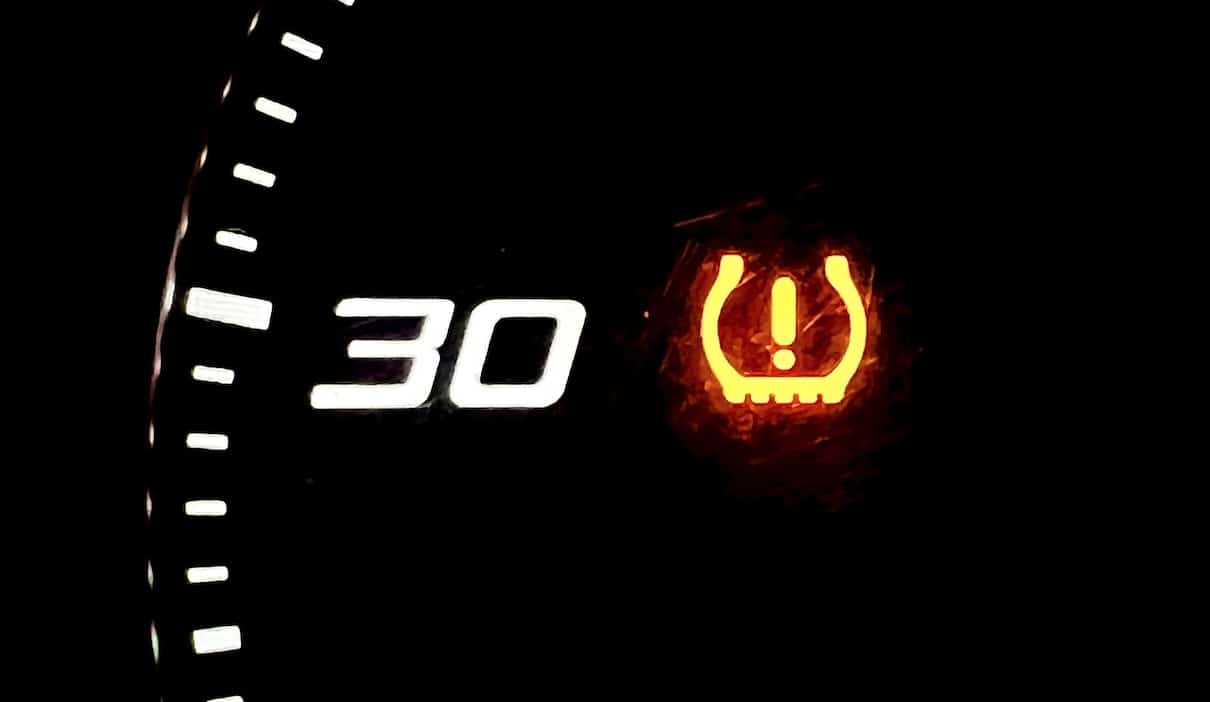
Image source: Bing (Web (fair-use with source credit))
Why the TPMS Light Comes On in Your 2008 Jeep Wrangler
Your tire pressure monitoring system watches four things closely. It tracks whether each tire sits below a safe pressure threshold. It checks whether sensors are communicating properly.
It monitors whether the spare tire pressure matches expectations. And it flags any electrical glitches inside the network itself.
The dashboard uses two distinct warnings to tell you what is happening. A steady amber icon means at least one tire needs air. That light does not flash, so the message stays simple and calm.
A flashing amber light lasting about a minute tells a different story. That pattern signals a sensor malfunction rather than an inflation issue. Your system cannot talk to one or more wheel units anymore.
Think of it like a low bean light replacement guide for tire sensors. Both warn about dash indicators, but the root causes differ.
Temperature swings are the sneaky culprit behind most false alarms. Cold mornings drop tire pressure quickly, and that warning can appear overnight. The reverse happens after long highway runs too.
Heat expands air inside your tires and raises readings temporarily.
Quick Answer: How to Reset the Tire Pressure Light in Under 5 Minutes
How to reset tire pressure light on 2008 Jeep Wrangler involves a simple button sequence while the vehicle sits in the RUN position. First, inflate all four tires plus your spare to the recommended cold PSI value. Second, locate the small tire symbol button near the steering column.
Third, press and hold that button until the warning lamp flashes twice. Finally, turn the ignition off, wait ten seconds, and restart the engine to confirm the light stays gone.
That entire process takes roughly three to five minutes. You do not need special tools or a scan wand for the standard reset. Your owner's manual confirms this exact sequence in the instrument panel chapter.
Keep in mind that inflating the tires comes before pushing any buttons. Clearing the warning without fixing low pressure leaves you driving on dangerous rubber. A dash light dimmer tutorial covers similar interior button logic if you want to understand how your Wrangler reads switch inputs.
Step-by-Step: The Official TPMS Reset Procedure for 2008 Jeep Wrangler
Follow these exact steps in order. Jumping around breaks the calibration window.
Step 1: Check and Inflate All Tires to Spec
Begin by checking every tire when it is cold. Cold means the vehicle sat parked for three hours minimum. Driving heats the rubber and skews readings upward.
Pull your door jamb sticker or consult the glovebox card for the factory recommended PSI number. Inflate each tire to that target. Do not forget the full-size spare if your model carries one under the rear.
Step 2: Turn the Ignition to RUN Without Starting
Slide the key to the second click. You want the RUN position where all dash lights illuminate. Do not crank the engine yet.
Some drivers accidentally leave the key in ACC, which skips the TPMS self-test entirely. The system needs full power to register your inflated tires.
Step 3: Press and Hold the TPMS Reset Button
Find the button with the horseshoe icon and an exclamation mark. It sits on the lower left dashboard near the steering column, close to the hood release lever. See where the button lives in this image.
Image source: Bing (Web (fair-use with source credit)).
Press and hold that button. Keep your finger steady. Watch the warning lamp.
The light blinks slowly at first, then speeds up. Hold until it flashes twice and emits a brief beep if your model includes a fill alarm horn. Release the button immediately after the double flash.
Step 4: Start the Engine and Verify
Now crank the engine normally. Watch the instrument cluster for five seconds while the system runs its startup check. The tire pressure light should glow briefly and then go dark.
If it stays off, your reset succeeded.
Drive the Wrangler for at least ten minutes above 15 miles per hour. Higher wheel speeds help the sensors send fresh position data back to the module. Stop and check again afterward.
The light must remain off for the procedure to count as complete.
Decision Branch: What If the Light Stays On After Reset?
Sometimes the procedure finishes but the warning refuses to die. That outcome tells you something else is wrong. Follow this decision tree to isolate the real problem.
Scenario A: The Light Returns Immediately After Restart
Check your tire pressures again with a calibrated gauge. The dashboard display can lag, and visual impressions lie. You might have inflated three tires but missed the fourth.
Even a 3 PSI shortfall triggers the alert on many Wranglers.
Reinflate the low tire to spec and repeat the reset sequence once. If the light goes out this time, you had a simple underinflation issue masked by sensor delay. Stick to a quality floor mat setup routine to keep your cabin dry while you inspect tires monthly.
Scenario B: The Light Flashes Then Stays Solid
A minute of flashing before the solid warning appears means the TPMS detected a sensor fault during its boot sequence. One wheel simply stopped talking. Inspect the valve stem area for damage in this reference photo.
Image source: Bing (Web (fair-use with source credit)).
Battery death inside the sensor is the most common cause at this stage. The 2008 model uses direct sensors with sealed lithium cells rated for roughly seven years. You are right at that aging window now.
A dead sensor forces replacement, not a button reset.
Scenario C: The Light Stays On Steadily With Correct Pressures
This points to either a partially failed sensor or a reception problem in the radio frequency path. Wheels near the rear often report weaker signals because the receiving antenna sits forward in the dash. Mud, ice, or metal wheel weights can block transmission briefly during off-road runs.
Remove any aftermarket wheels that lack built-in TPMS ports. Many cheap replica alloys skip the sensor hole entirely. Stock JWL or Mopar wheels keep the system functioning as designed.
Scenario D: Warning Returns Only After Cold Nights or Trail Runs
Environmental triggers deserve their own branch. Mountain descents drop ambient temperature fast, and tire pressure follows. A drive from a warm garage into freezing air can steal 2 to 3 PSI overnight.
The same pattern appears after mud or water crossings when tires cool unevenly.
Keep a portable air compressor in the truck bed. Top off pressures whenever the ambient temperature shifts more than 20 degrees Fahrenheit between parking cycles. That habit prevents seasonal flare-ups from masking a genuine slow leak.
Troubleshooting Common Causes for a Persistent Warning Light
When the basic reset fails, the culprit usually lands in one of five buckets. Check each bucket in order before calling a shop.
| Symptom | Likely Cause | Quick Test |
|---|---|---|
| Light stays solid after correct inflation | Dead sensor battery | Scan for active trouble codes |
| Light flashes for one minute then locks on | Sensor communication loss | Listen for fill alarm beeps during inflation |
| Light returns only on cold mornings | Normal pressure drop from temperature change | Measure tire pressure immediately after parking |
| Light appears after off-road use | Mud or debris blocking signal path | Remove wheels and clean sensor area |
| Different light every drive | Intermittent sensor contact failure | Tap each wheel gently and watch for response |
Start with a hands-on inflation check using the beep-horn feature if yours has it. Most 2008 JK models include that auditory feedback. Connect your air hose to the valve stem and listen.
A steady beep rises in pitch as pressure climbs toward the target value. When you hit the sweet spot, the beeping stops. That sound tells you the system recognized the new pressure even before you hit reset.
If no beep sounds, verify your fill method first. Cheap gas station air hoses often deliver wildly inaccurate flow rates. A slow, steady stream helps the sensor track the change.
Aggressive bursts skip past the trigger point entirely.
Next, pull diagnostic trouble codes if your scanner supports TPMS bidirectional commands. Generic OBDII readers miss tire-specific codes. You need a tool that speaks the manufacturer network protocol.
A scanning tool example shows what modern diagnostics look like. Image source: Bing (Web (fair-use with source credit)). Look for P060A-family codes tied to individual wheel positions.
Sensor orientation matters more than most owners realize. The valve stem should point straight down toward the road at idle. Some installation mistakes rotate the stem outward toward the fender gap instead.
That position exposes the antenna to spray and debris while weakening signal strength toward the receiver. Rotate the sensor to the six o'clock position and retest.
Battery degradation patterns follow predictable timelines. Early failures show erratic readings rather than total silence. The dashboard might flicker between normal and warning during bumpy drives.
Later stages produce permanent codes for the affected corner. Plan ahead and replace all four sensors at once when one dies. Mixing old and new batteries creates phantom faults across the network.
Temperature compensation sits outside the reset menu entirely. The TPMS module does not auto-adjust for seasonal contraction. You compensate manually by topping off cold pressures each fall.
EPA guidance confirms that proper inflation alone delivers measurable fuel economy gains. Skipping seasonal adjustments wastes gas and wears tires unevenly.
Wheel diameter changes also trip the system. Sticking with the stock tire size preserves calibration. Deviating to much larger or smaller diameters shifts load ratings and alters pressure thresholds.
If you run taller off-road rubber, expect occasional false alerts during highway cruising. Revert to stock dimensions for daily driver duty if warnings become constant.
Finally, check the spare tire pathway. Some Wrangler configurations monitor the under-floor spare too. An empty spare compartment or an uninsflated donut triggers cross-talk errors.
Fill the spare to the same cold PSI as your road tires and rerun the reset. The extra wheel data often clears stubborn faults silently.
Real Scenarios: Off-Roading, Seasonal Changes, and Sensor Failure
Each driving condition creates a different pattern of tire pressure warnings. Recognizing those patterns prevents wasted trips to the shop.
After a Mud or Rock-Crawling Run
You aired down to 18 PSI for trail traction, then forgot to reset the system afterward. The dashboard now shows a steady light even after you reinflated back to 32 PSI. This happens because the TPMS module locks into a low-pressure memory until a proper reset clears it.
Reinflate all four tires to factory spec while cold. Then perform the full reset sequence. If the light returns after driving over bumps, your sensor may have shifted position on the valve stem.
Tighten the locking nut gently and retest.
Seasonal temperature swings also mimic off-road issues. Cold nights in January often drop pressures by 2 to 4 PSI across the board. That shift alone triggers the warning lamp every morning for about three weeks.
A rubber floor mat upgrade keeps your cabin dry during these routine pressure checks.
Monitor pressure first thing each morning before driving. Keep a written log in your glovebox. When readings consistently fall below the door jamb number during autumn, top them off immediately.
Early intervention stops the warning light from starting its daily routine.
When a Single Sensor Fails Mid-Drive
One wheel posts zero pressure while the other three look normal. The light stays solid, and your scan tool shows a code only for the front passenger side. That corner sensor likely lost its battery seal or suffered impact damage from a sharp rock strike.
Replace that sensor with an OEM part matched to your VIN. Aftermarket universal sensors sometimes cause interference errors in the 2008 network. A Jeep Gladiator all-weather mat selection ensures your interior stays protected while you work under the vehicle.
Installation takes about twenty minutes per wheel if you remove the tire from the rim. Balance the assembly afterward to prevent vibration at highway speeds. Relearn the sensor positions using a bidirectional scan tool, or drive for fifteen minutes above 25 MPH to allow automatic registration.
Battery failure rates climb sharply after year seven. If your Wrangler has 120,000 miles or more, consider replacing all four sensors preemptively. The labor cost is similar whether you do one or all four.
Preventing future roadside warnings outweighs the upfront expense.
After Installing New Wheels or Tires
Different wheel diameters change the effective tire radius. Your TPMS module calculates speed pulses differently, which can create false low-pressure alerts. Larger 35-inch tires on 17-inch rims often trigger this behavior.
Match new wheel backspacing to stock specifications whenever possible. Excessive offset pushes the sensor outward, away from the receiver antenna. Signal strength drops, and intermittent faults appear without warning.
Rotate tires every 6,000 miles to keep wear even across all four corners. Use a RockTrix wheel installation service if you changed rim sizes recently. Proper mounting preserves sensor alignment and maintains reliable communication.
Mistakes to Avoid When Performing a TPMS Reset
These errors undo your hard work and leave the warning light still glowing.
| Mistake | What Happens | How to Fix It |
|---|---|---|
| Resetting tires while warm | Readings stay artificially high; light returns once tires cool | Wait three hours after parking, then recheck cold pressure |
| Holding button too briefly | System misses the confirmation signal; no double flash occurs | Hold firmly for at least three full seconds |
| Forgetting the spare tire | Some models monitor rear spare; empty spare triggers fault codes | Inflate spare to same PSI as road tires |
| Ignoring the beep-horn feedback | You miss auditory confirmation that sensor recognized new pressure | Listen carefully during inflation; note pitch changes |
| Skipping the test drive afterward | Module never completes relearn cycle; light flickers on restart | Drive above 15 MPH for ten continuous minutes |
Many owners press the button while the key remains in the ACC position. That low-power state does not activate the TPMS control module. You will see the dashboard lights dim slightly.
Stay in RUN, where all gauges illuminate fully.
Another frequent blunder involves mixing sensor orientations. Valve stems must face downward toward the road surface at idle. An outward-facing stem points toward the fender liner, exposing the rubber seal to spray and debris.
That orientation accelerates moisture intrusion and kills the battery faster.
Do not attempt to clear codes with a generic OBDII scanner alone. Those tools read engine and transmission faults but ignore tire-specific networks. You need a TPMS-capable interface or a manufacturer-level scan wand.
A Jeep Cherokee tail light repair guide demonstrates similar electrical diagnostic logic for other Jeep systems.
Avoid cutting corners on the inflation step. A hose that leaks air while attached gives a false reading of 32 PSI when the tire actually sits at 28 PSI. Always verify with a separate calibrated gauge before pushing the reset button.
Double-checking takes ten extra seconds and saves an hour of frustration.
Costs & Options: DIY Reset vs. Professional Service
Your choice depends on how much time you value versus how much risk you accept.
| Option | Typical Cost | Time Required | Skill Level Needed | Best For |
|---|---|---|---|---|
| DIY button reset | $0 | 5–10 minutes | Beginner | Simple low-pressure warnings |
| DIY sensor replacement | $60–$120 per unit | 30–45 minutes per wheel | Intermediate | Single dead sensor, budget-conscious owners |
| Shop diagnostic scan | $50–$100 | 15–30 minutes | N/A | Persistent flashing light, unknown code |
| Full sensor service (all four) | $250–$400 | 2–3 hours | N/A | High-mileage vehicles with multiple failures |
| Tire shop rotation + relearn | $20–$50 | 45 minutes | N/A | Routine maintenance, correct positioning |
A basic reset costs nothing but your attention. Follow the step-by-step procedure earlier in this guide. If the light clears permanently, you saved both time and money.
Professional diagnostics become necessary when the flashing malfunction indicator persists after confirming all pressures are correct. Shops use bidirectional tools to force each sensor into transmission mode. That process verifies which wheel stopped responding.
A Jeep Liberty floor mat recommendation offers similar attention to interior protection during messy undercarriage work.
Sensor replacement is straightforward if you remove the tire from the rim. Purchase OEM parts numbered to match your original equipment. Universal sensors sometimes cause interoperability problems with the 2008 wireless protocol.
Stick with Mopar or equivalent branded units.
Annual pre-trip inspections catch slow leaks before they strand you on remote roads. Check pressures when tires are cold, ideally before sunrise. Record each reading in a small notebook kept in the glovebox.
Consistent logging reveals trends early.
Maintenance & Long-Term TPMS Health for Your Wrangler
Regular care extends sensor lifespan and keeps warnings accurate.
Monthly Pressure Checks
Set a recurring calendar reminder for the first Saturday of each month. Inflate all four road tires plus the spare to the door jamb specification. Use a quality dial gauge rather than a stick type for better accuracy.
Temperature corrections matter less than consistent timing.
Biannual Sensor Visual Inspections
Raise the vehicle safely on jack stands. Spin each wheel slowly and examine the valve stem area for cracks, dirt buildup, or loose locking nuts. Clean debris with compressed air before reinstalling.
Do not use high-pressure water directly on the stem.
Yearly Calibration Verification
Have a trusted shop run a full TPMS scan at least once a year. They will confirm each sensor transmits a unique ID and report consistent signal strength. Weak batteries show declining voltage over consecutive visits.
Replace those units before they fail completely.
Rotate Tires Every 6,000 Miles
Rotation prevents uneven wear that skews pressure readings. Mark each tire position with chalk before dismounting. Reinstall in the same corner unless you deliberately cross-rotate for tread optimization.
Document rotation dates in your service log.
Keeping a cargo mat installed protects your gear while you store a tire pressure gauge and chalk in the rear. Organized storage makes monthly checks quicker and more likely to happen.
Safety Warnings & Compliance Notes
Driving with a malfunctioning TPMS carries real risks. The system exists to prevent blowouts, hydroplaning, and loss of control. Ignoring it removes that safety net entirely.
Federal Requirements
All light vehicles sold in the United States after September 2007 must include a tire pressure monitoring system. Your 2008 Wrangler complies with FMVSS No. 138 standards. Tampering with sensors or disabling the system violates federal law and may void insurance coverage in the event of an accident.
DOT Guidelines on Inflation
The Department of Transportation recommends checking pressures monthly when tires are cold. Underinflation increases stopping distances and raises tire temperature dramatically during highway cruising. Overinflation reduces traction and makes the ride harsher.
Aim for the manufacturer's recommended cold PSI, not the maximum printed on the sidewall.
Warranty Implications
Aftermarket sensor replacements may affect your powertrain warranty if improper installation damages the wheel bearing or valve stem. Use OEM parts whenever possible. Keep receipts for all TPMS-related purchases and labor invoices.
Those documents prove compliance if an extended warranty claim arises.
Emergency Procedure If Light Stays On Steadily
Pull over safely when possible. Visually inspect each tire for obvious deflation. If none appear flat, drive cautiously to the nearest service station.
Do not exceed 50 MPH. Avoid sudden steering inputs or hard braking. Monitor the gauge cluster for any additional warnings.

“Cars aren’t just machines. They’re freedom, memory, and a little bit of grease under your fingernails.”
I’m Theodore Roosevelt—though my friends just call me “Ted” (and no, I’m not related to the president, though I do share his love for adventure). I grew up in Detroit in the 1970s, back when the city was still the heart of the American auto industry. My first love was a rusted-out 1967 Mustang my father and I rebuilt in our garage when I was fifteen. That project taught me that cars have souls. After spending twenty years as a mechanic and another ten writing for magazines, I started this blog to help everyday drivers and weekend wrenchers feel confident under the hood. Whether you’re restoring a classic or just trying to keep your daily driver alive for one more winter, I’m here to help you get there.